Master Airflow with Drift Design

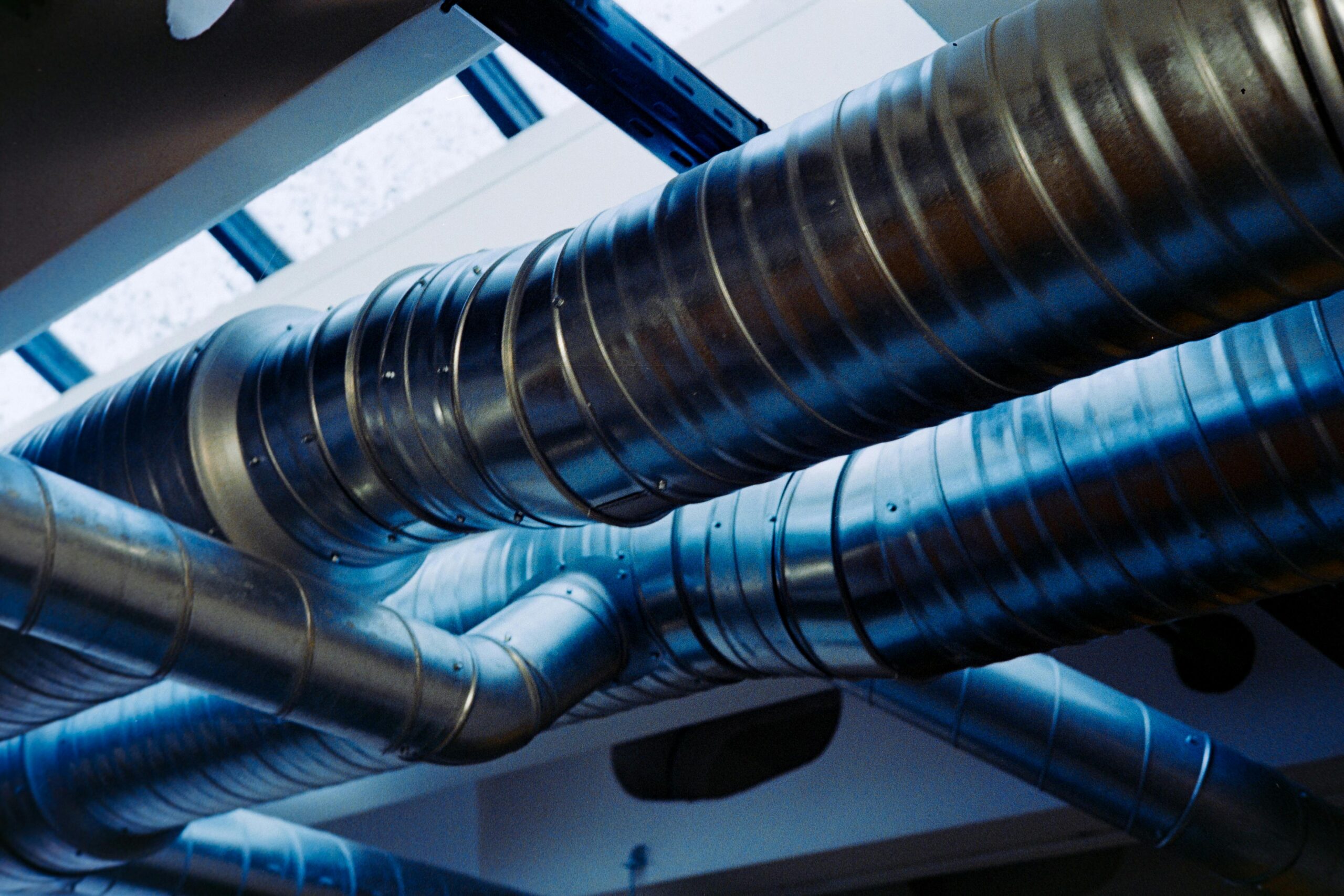
Mixed-mode buildings represent the future of sustainable architecture, combining natural ventilation with mechanical systems to optimize energy use while maintaining occupant comfort through intelligent drift-based design principles. 🌬️ Understanding the Foundation of Drift-Based Ventilation Strategy Drift-based design in mixed-mode buildings fundamentally transforms how we approach airflow management in contemporary architecture. Rather than fighting against natural … Ler mais


Mastering Airflow Around Obstacles

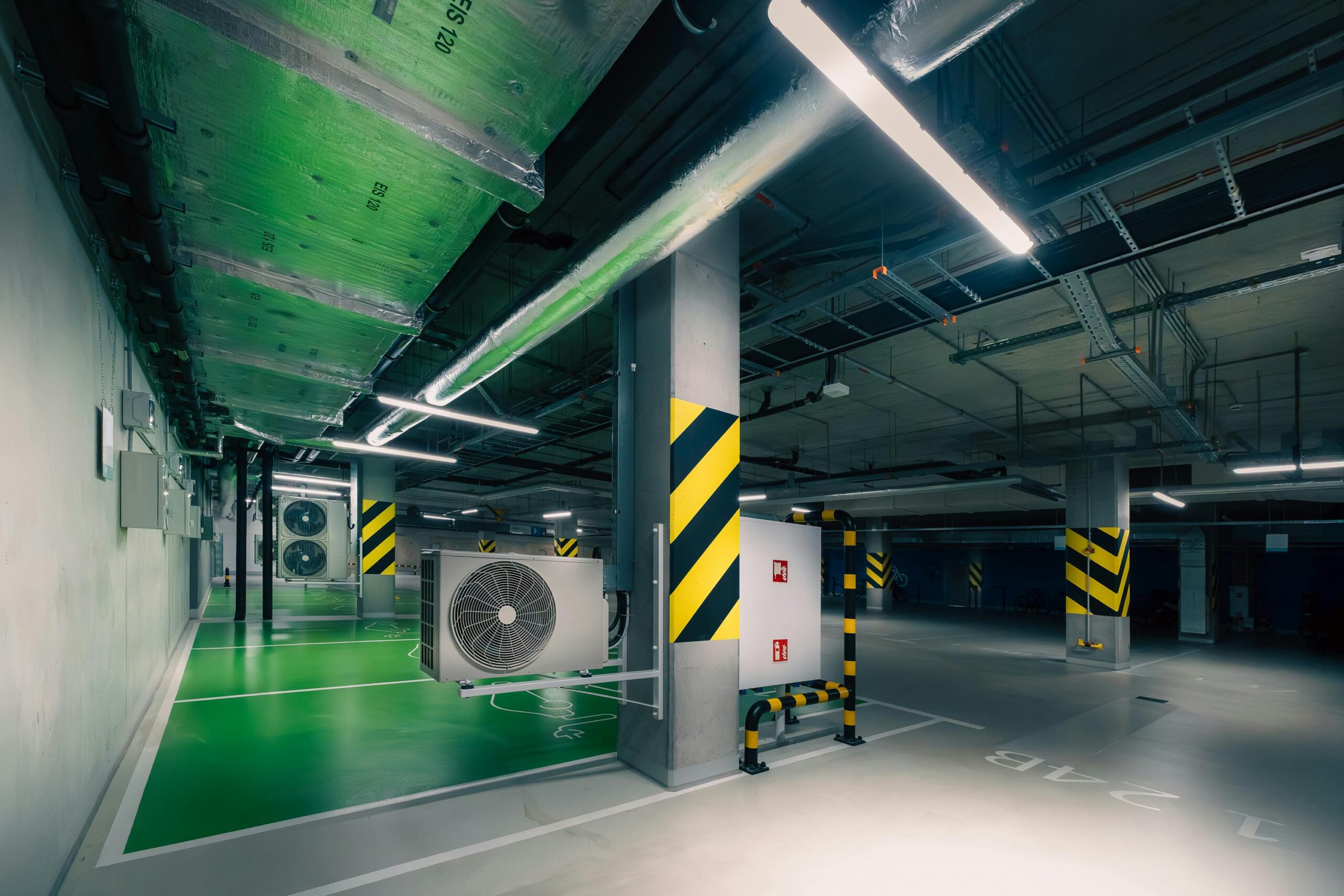
Understanding how air moves around furniture and walls inside buildings unlocks powerful insights for comfort, energy efficiency, and indoor air quality management. 🌬️ The Hidden Dance of Indoor Airflow Every time air conditioning systems push cool air through vents, or warm air rises from radiators, an invisible choreography begins. Air doesn’t simply fill a room … Ler mais

Perfecting Cross-Ventilation for Comfort

Understanding air flow dynamics and drift patterns is essential for achieving optimal indoor comfort through effective cross-ventilation strategies in modern building design. 🌬️ The Science Behind Cross-Ventilation and Air Movement Cross-ventilation represents one of the most energy-efficient methods for maintaining comfortable indoor environments. This natural ventilation strategy relies on pressure differentials created by wind forces … Ler mais

Maximize Comfort with Thermal Mass

Thermal mass is one of the most powerful yet often overlooked strategies in building design, offering exceptional potential for natural temperature regulation and significant energy savings. ⚡ Imagine walking into a building on a scorching summer afternoon and feeling immediate coolness, or entering a space on a frigid winter morning that radiates gentle warmth—all without … Ler mais

Optimize Slab Thickness for Peak Efficiency

Optimizing slab thickness for diurnal heat cycles is essential for energy-efficient building design, reducing costs while maintaining thermal comfort throughout daily temperature fluctuations. 🌡️ Understanding Diurnal Heat Cycles and Their Impact on Building Performance Diurnal heat cycles represent the natural temperature variations that occur over a 24-hour period. These cycles are characterized by warmer temperatures … Ler mais

Cool Solutions for Thermal Mass Risks

Thermal mass is often praised as a passive cooling strategy, but when poorly managed, it can trap heat indoors and turn your comfortable home into an oven. ☀️ Understanding Thermal Mass: The Double-Edged Sword of Sustainable Design Thermal mass refers to materials that absorb, store, and slowly release heat energy. Concrete, brick, stone, and earth … Ler mais

Cool Nights, Lower Bills

Night-flush cooling with high thermal mass offers a natural, cost-effective strategy to maintain indoor comfort while significantly reducing energy consumption in warm climates. 🌙 Understanding the Power of Night-Flush Cooling As global temperatures continue to rise and energy costs soar, homeowners and building designers are increasingly turning to passive cooling strategies that work with nature … Ler mais

Eco-Building: Stones for Thermal Efficiency

The climate crisis demands a radical rethinking of how we construct our buildings, and ancient materials hold surprisingly modern answers to our energy challenges. 🌍 For thousands of years, civilizations across the globe have constructed dwellings using locally sourced materials like brick, rammed earth, and stone. These time-tested building methods weren’t merely convenient—they represented sophisticated … Ler mais