
Anúncios
Step into the shadows of cinema history and discover the timeless tales that defined horror as we know it today. 🎬
Anúncios
Horror cinema has captivated audiences for over a century, evolving from silent screams to sophisticated psychological terror.


The classics remain essential viewing not just for their historical importance, but for their enduring ability to unsettle, disturb, and thrill viewers across generations. These masterpieces laid the groundwork for every jump scare, every haunted house, and every monster that followed.
Anúncios
Whether you’re a seasoned horror enthusiast or a curious newcomer, exploring these foundational films offers insight into the craft of fear itself.
From German Expressionism to Universal Monsters, from Hitchcock’s suspense to the visceral shocks of the 1970s, these classics demonstrate why horror remains one of cinema’s most vital and innovative genres.
🎭 The Birth of Horror: Silent Era Masterpieces
Before sound entered cinema, filmmakers relied purely on visual storytelling to evoke terror. The results were often more disturbing than anything we see today, with exaggerated makeup, distorted sets, and shadows that seemed to have lives of their own.
The Cabinet of Dr. Caligari (1920) remains the quintessential example of German Expressionism. Its twisted sets, painted shadows, and the unsettling performance of Conrad Veidt as the somnambulist Cesare created a nightmare world that influenced everything from Film Noir to Tim Burton’s aesthetic. The film’s twist ending predated modern psychological thrillers by decades.
Nosferatu (1922) brought Bram Stoker’s Dracula to the screen in an unauthorized adaptation that nearly resulted in all prints being destroyed. Max Schreck’s portrayal of Count Orlok created an iconic vampire image distinct from later romantic interpretations—this creature was genuinely monstrous, rodent-like, and utterly alien.
The silent era proved that horror doesn’t need dialogue to penetrate the psyche. These films communicate dread through composition, performance, and atmosphere alone—skills that remain essential to effective horror filmmaking today.
🧛 Universal Monsters: Hollywood’s Gothic Golden Age
The 1930s and 1940s saw Universal Studios establish a monster mythology that became embedded in popular culture. These films transformed literary horrors into cinematic icons, creating the template for franchise filmmaking decades before Marvel entered the scene.
Dracula (1931) starring Bela Lugosi defined the vampire for generations. Lugosi’s hypnotic performance, complete with Hungarian accent and theatrical mannerisms, turned the Count into both a threatening presence and a sophisticated aristocrat. The film’s use of shadow and suggestion—necessitated by production code restrictions—often proves more effective than explicit violence.
Frankenstein (1931) gave us Boris Karloff’s sympathetic interpretation of Mary Shelley’s creature. Director James Whale created a tragic figure rather than a simple monster, exploring themes of creation, responsibility, and societal rejection that resonate even more strongly today. The iconic bolt-necked makeup by Jack Pierce became instantly recognizable worldwide.
The Bride of Frankenstein (1935) improved upon the original with dark humor, baroque visual style, and Elsa Lanchester’s unforgettable five-minute appearance as the titular bride. Many critics consider it superior to the first film, demonstrating that sequels can occasionally surpass their predecessors.
Other Essential Universal Classics
- The Mummy (1932) – Karloff again, bringing ancient Egyptian curses to life
- The Invisible Man (1933) – Claude Rains delivers a chilling vocal performance
- The Wolf Man (1941) – Lon Chaney Jr. humanizes lycanthropy with tragic depth
- Creature from the Black Lagoon (1954) – Late addition featuring remarkable creature design
🔪 Hitchcock’s Masterclass in Suspense
Alfred Hitchcock elevated horror beyond monsters and supernatural threats, proving that the greatest terrors often wear human faces. His meticulous craftsmanship in building tension remains studied by filmmakers across all genres.
Psycho (1960) revolutionized horror cinema with its shocking narrative structure, killing its apparent protagonist one-third into the film. Anthony Perkins’ Norman Bates became the prototype for sympathetic yet dangerous characters. Bernard Herrmann’s shrieking violin score during the shower scene is arguably cinema’s most famous musical moment. Shot in stark black and white despite Hitchcock’s recent color successes, the film’s aesthetic choices intensified its documentary-like psychological realism.
The Birds (1963) transformed ordinary creatures into instruments of apocalyptic dread. Without explanation or resolution, the film presents nature itself as inexplicably hostile. Hitchcock’s decision to use electronic sounds rather than a traditional score created an unsettling soundscape that amplifies the film’s primal fear.
These films demonstrated that suggestion, pacing, and psychological manipulation could generate more sustained fear than graphic imagery—a lesson many modern filmmakers have forgotten.

👻 Haunted Houses and Gothic Horror
The haunted house subgenre explores our anxieties about domestic spaces—the places that should protect us becoming sources of danger. These films transform architecture itself into antagonists.
The Haunting (1963), directed by Robert Wise, adapted Shirley Jackson’s novel “The Haunting of Hill House” into perhaps cinema’s most effective haunted house film. With almost no special effects, Wise used sound design, camera angles, and suggestion to create overwhelming dread. The film respects audience intelligence, allowing viewers to fill in blanks with their own fears—invariably more frightening than anything explicitly shown.
The Innocents (1961) brought Henry James’ “The Turn of the Screw” to the screen with ambiguous brilliance. Deborah Kerr’s governess may be protecting children from malevolent spirits or projecting her own repressed psychology onto innocent situations. The film refuses to clarify, maintaining unsettling uncertainty throughout.
These classics understood that the unknown frightens us more than the revealed, that atmosphere can suffocate more effectively than jump scares, and that psychological horror lingers long after physical threats fade.
🧟 The Horror Renaissance of the 1960s-1970s
As social upheaval transformed Western culture, horror cinema reflected darker, more cynical perspectives. Filmmakers pushed boundaries, challenged taboos, and created works that remain controversial decades later.
Night of the Living Dead (1968) by George A. Romero reinvented zombie mythology and established the modern horror independent film. Shot in stark black and white on a tiny budget, the film’s nihilistic ending and social commentary elevated genre filmmaking into serious artistic territory. Its casting of a Black actor as the capable protagonist, only to have him shot by a rescue posse in the final moments, created a devastating commentary on American racial violence.
Rosemary’s Baby (1968) brought satanic paranoia into Manhattan apartment buildings. Roman Polanski’s deliberate pacing and Mia Farrow’s vulnerable performance created a claustrophobic nightmare of gaslighting and violated agency. The film’s horrifying implication—that evil operates through ordinary people in everyday settings—resonated deeply with audiences losing faith in institutions.
The Exorcist (1973) shocked audiences with its unflinching depiction of demonic possession. William Friedkin’s direction grounded the supernatural elements in documentary-style realism, while the practical effects remain disturbing five decades later. The film sparked conversations about faith, medical science, and the nature of evil that extended far beyond cinema.
Essential Viewing from This Era
- Repulsion (1965) – Polanski’s earlier psychological breakdown study
- Don’t Look Now (1973) – Nicolas Roeg’s Venice-set meditation on grief and precognition
- Carrie (1976) – Brian De Palma’s sympathetic telekinetic revenge tale
- Suspiria (1977) – Dario Argento’s hallucinogenic Italian masterpiece
- Halloween (1978) – John Carpenter’s influential slasher that spawned countless imitators
🎥 Why These Classics Still Matter Today
Modern horror owes everything to these foundational works. Understanding their techniques, themes, and innovations enriches appreciation of contemporary films while demonstrating that effective horror transcends technological advancement.
The classics prioritized atmosphere over gore, suggestion over spectacle, and psychological depth over body counts. They understood that fear is personal and that the most effective scares exploit universal anxieties—death, loss of control, violation of safe spaces, and the thin line between sanity and madness.
These films also remind us that horror has always been politically and socially engaged. From Frankenstein’s critique of unchecked scientific ambition to Night of the Living Dead’s commentary on American racism, great horror reflects the anxieties of its era while speaking to timeless human concerns.
📺 Where to Watch These Timeless Treasures
Many classic horror films have entered the public domain or are available through streaming services dedicated to classic cinema. The Criterion Collection has restored numerous horror masterpieces, presenting them with scholarly context and optimal visual quality.
Specialty streaming platforms focusing on genre cinema often feature extensive classic horror libraries. Physical media collectors can find beautiful editions with supplements that explore the films’ production histories, cultural impact, and restoration processes.
Watching these films with an understanding of their historical context enhances appreciation. Recognizing what was transgressive or innovative in 1931 or 1968 helps modern viewers understand their revolutionary impact, even when contemporary films have normalized their once-shocking elements.
🌙 Creating the Perfect Classic Horror Viewing Experience
These films deserve proper presentation. Watch them in darkness, minimize distractions, and if possible, view them on the largest screen available. Many were designed for theatrical exhibition, and their visual compositions lose impact on small devices.
Consider watching chronologically to trace horror’s evolution, or thematically to compare different approaches to similar subjects. Watching Nosferatu before Dracula, then following with later vampire films, reveals how the mythology developed. Comparing various haunted house films demonstrates different directorial approaches to similar material.
Silent films require adjustment for modern viewers accustomed to dialogue and naturalistic performances. Give yourself time to adapt to their visual language—the rewards are substantial for those willing to meet these films on their own terms.
🎬 The Enduring Legacy of Horror Classics
Contemporary filmmakers continue drawing inspiration from these masterpieces. Guillermo del Toro frequently references Universal Monsters. Ari Aster’s slow-burn approach echoes 1960s psychological horror. James Wan’s careful composition and use of negative space recalls classical techniques.
These classics also established horror as a legitimate artistic form rather than mere exploitation. Directors like Hitchcock, Polanski, and Kubrick brought prestige to the genre, paving the way for later auteurs to explore fear as a vehicle for serious themes and innovative filmmaking.
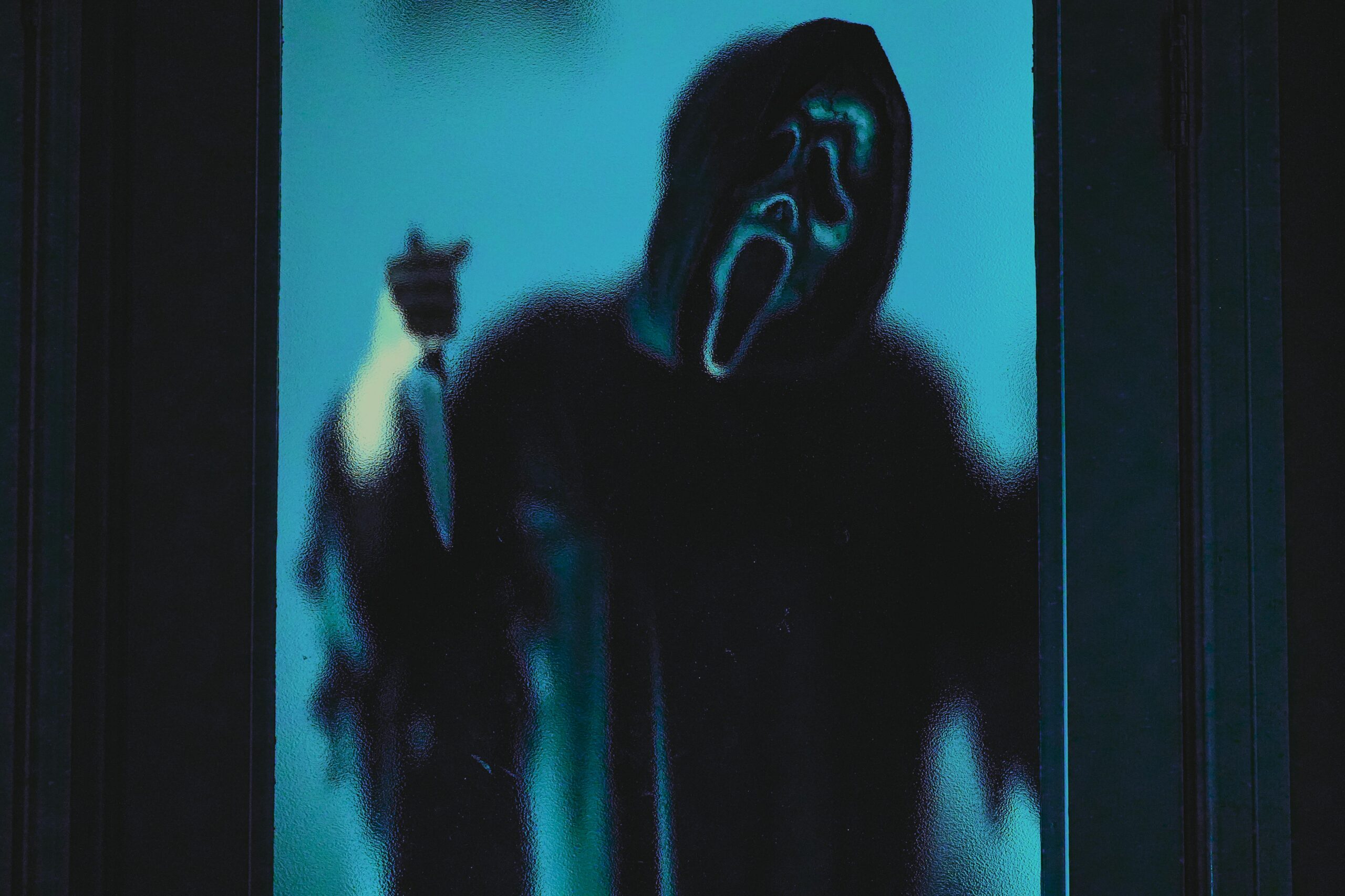
The visual iconography created by these films—from Orlok’s shadow climbing stairs to Norman Bates’ silhouette in the doorway—remains instantly recognizable across cultures. These images have transcended their original contexts to become universal symbols of cinematic terror.
🕯️ Final Thoughts on Embracing Horror History
Exploring classic horror enriches your understanding of cinema while connecting you to over a century of creative innovation. These films demonstrate that limitations often inspire creativity, that atmosphere trumps budget, and that genuine artistry transcends technological constraints.
Whether you’re discovering these films for the first time or revisiting old favorites, classic horror offers rewards unavailable in contemporary genre cinema. The patience, craft, and psychological sophistication of these masterworks provide a masterclass in filmmaking that remains relevant regardless of changing trends.
So dim the lights, silence your devices, and step into the shadows with cinema’s greatest nightmares. These classics have survived decades not through nostalgia, but because they fundamentally understand what frightens us—and that understanding never goes out of style. 🎃
