
Anúncios
The intersection of biology, thermodynamics, and architecture presents extraordinary opportunities for creating buildings that respond intelligently to environmental conditions while dramatically reducing energy consumption.
Anúncios
As climate change accelerates and energy costs continue rising, the construction industry faces unprecedented pressure to reimagine how buildings interact with their surroundings. Bio-thermal behavior in building envelopes represents a paradigm shift from static, energy-intensive structures to dynamic, responsive systems that mimic natural processes. This approach doesn’t merely reduce environmental impact—it fundamentally transforms our relationship with the built environment.
Understanding bio-thermal principles requires examining how living organisms regulate temperature, manage moisture, and adapt to changing conditions. These biological strategies, refined through millions of years of evolution, offer architects and engineers proven templates for sustainable design. When translated into building envelope technologies, these principles create structures that breathe, regulate temperature passively, and maintain optimal indoor conditions with minimal mechanical intervention.
🌿 The Biological Blueprint: Nature’s Thermal Management Systems
Anúncios
Nature has developed remarkable strategies for thermal regulation that far surpass conventional building technologies. Termite mounds in Africa maintain stable internal temperatures despite external fluctuations exceeding 40°C. Polar bear fur creates insulating air pockets while allowing moisture vapor to escape. Plant leaves regulate transpiration to cool surrounding air while photosynthesizing.
These biological systems share common characteristics: they’re dynamic rather than static, multi-functional rather than single-purpose, and energy-efficient by necessity. Translating these principles into building envelope design means creating facades that don’t simply separate interior from exterior but actively mediate between the two environments.
The human skin itself provides perhaps the most accessible model. It insulates while allowing selective permeability, responds to temperature changes through vasodilation and vasoconstriction, and manages moisture through perspiration. A bio-thermal building envelope attempts to replicate these sophisticated functions through materials science and intelligent design.
Learning from Extremophiles and Adaptive Organisms
Organisms thriving in extreme environments offer particularly valuable insights for building envelope design. Desert plants develop reflective surfaces and specialized cellular structures that minimize water loss while maximizing thermal protection. Arctic animals combine multiple insulation strategies—dense underfur, hollow guard hairs, and subcutaneous fat layers—to create redundant thermal barriers.
These strategies translate into architectural solutions like multi-layered facade systems, phase-change materials that store and release thermal energy, and selective permeability membranes that manage moisture while preventing heat transfer. The key lies not in copying biological forms but understanding underlying principles and adapting them to architectural applications.
🏗️ Core Principles of Bio-Thermal Building Envelope Design
Implementing bio-thermal behavior in building envelopes requires understanding several foundational principles that govern how materials and systems interact with thermal energy and environmental conditions.
Dynamic Thermal Mass and Thermal Lag
Traditional architecture often treats thermal mass as passive storage—thick walls that absorb heat slowly. Bio-thermal design activates this mass dynamically, using materials that respond to temperature changes with appropriate timing. Thermal lag becomes a design tool rather than an incidental property, synchronized with daily temperature cycles to release stored coolness during peak heat hours.
Phase-change materials exemplify this principle perfectly. These substances absorb substantial thermal energy during state transitions—solid to liquid or liquid to gas—without temperature increase. When incorporated into building envelopes, they flatten temperature extremes, reducing mechanical heating and cooling loads by up to 30% in properly designed systems.
Selective Permeability and Moisture Management
Biological membranes excel at selective transport, allowing beneficial substances through while blocking harmful ones. Building envelopes require similar discrimination—permitting water vapor to escape while preventing liquid water intrusion, allowing fresh air infiltration while blocking pollutants.
Smart vapor barriers adjust permeability based on humidity differentials, preventing moisture accumulation that degrades insulation and promotes mold growth. Hygroscopic materials absorb excess moisture during humid periods and release it when conditions dry, passively regulating indoor humidity without mechanical dehumidification.
Responsive Surface Properties
Many organisms modify surface properties in response to environmental conditions. Chameleons change color for temperature regulation as much as camouflage. Plant stomata open and close to balance photosynthesis with water conservation.
Architectural applications include thermochromic coatings that shift reflectivity based on temperature, kinetic facades with adjustable shading elements, and electrochromic glazing that modulates transparency. These technologies transform building skins from passive barriers into active participants in thermal management.
⚡ Material Innovations Driving Bio-Thermal Performance
The bio-thermal revolution depends heavily on advanced materials that exhibit properties impossible with conventional building products. These innovations enable envelope systems that were theoretically understood but practically unachievable until recently.
Bio-Based and Biomimetic Insulation Materials
Traditional insulation materials like fiberglass and foam perform adequately but carry environmental costs and limited functional characteristics. New bio-based alternatives offer comparable or superior thermal performance with additional benefits:
- Mycelium insulation: Grown from fungal networks, this material offers excellent thermal performance, fire resistance, and complete biodegradability
- Aerogel composites: With thermal conductivity lower than still air, these materials provide extreme insulation in minimal thickness
- Hempcrete: This mixture of hemp hurds and lime creates breathable walls that regulate moisture while providing thermal mass and insulation
- Cork and wood fiber boards: Renewable materials with cellular structures that trap air and manage moisture naturally
Beyond thermal performance, these materials often provide acoustic insulation, humidity buffering, and carbon sequestration. Hempcrete, for example, continues absorbing atmospheric carbon throughout its lifespan, making buildings carbon-negative rather than merely carbon-neutral.
Adaptive and Programmable Envelope Materials
The cutting edge of bio-thermal design involves materials whose properties change in response to environmental stimuli. Shape-memory alloys contract or expand with temperature changes, enabling self-adjusting ventilation louvers. Hydrogel-based systems swell or shrink with humidity, creating passive humidity control mechanisms.
Researchers are developing polymer systems embedded with microcapsules containing phase-change materials, creating wallboard that actively regulates temperature. Others experiment with embedded fiber optics that sense temperature gradients and signal control systems to optimize envelope performance in real-time.
🌡️ Thermal Bridge Elimination Through Biological Strategies
Thermal bridges—envelope areas where insulation is compromised, typically at structural connections—represent significant energy loss pathways. Traditional construction accepts these as inevitable compromises between structural requirements and thermal performance.
Bio-thermal design approaches this challenge differently, examining how organisms maintain thermal integrity without structural weakness. Tree branches don’t create thermal bridges despite connecting to the main trunk. Birds’ legs include countercurrent heat exchange systems that prevent heat loss while maintaining structural function.
Architectural applications include structural insulated panels (SIPs) that integrate structure and insulation, thermal break systems at structural penetrations, and aerogel-insulated structural connections. Some systems employ hollow structural members filled with aerogel insulation, providing load-bearing capacity without thermal compromise.
Continuity of the Thermal Envelope
Biological systems maintain integrity through redundancy and seamless integration. A building’s thermal envelope should exhibit similar continuity—no gaps, compressed insulation, or unintended pathways for heat transfer.
Advanced building science emphasizes meticulous detailing at envelope transitions: wall-to-roof connections, window installations, service penetrations. Blower door testing identifies leakage points, while thermal imaging reveals insulation gaps. Bio-thermal design demands this rigor as fundamental rather than optional.
💨 Ventilation Strategies Inspired by Natural Systems
Mechanical ventilation consumes substantial energy while often providing inadequate air quality. Natural ventilation offers an alternative, but traditional approaches lack the control necessary for consistent comfort and performance.
Bio-thermal design synthesizes these approaches, using passive strategies augmented by intelligent controls. Prairie dog burrows demonstrate sophisticated natural ventilation—multiple openings at different heights create pressure differentials that drive airflow without fans. Termite mounds use thermal convection and porous construction to maintain fresh air circulation.
Stack Effect and Cross Ventilation Optimization
Hot air rises—a simple principle with profound implications. Properly designed buildings harness stack effect to drive ventilation, using vertical spaces as thermal chimneys. Automated vents open when interior conditions warrant, closing when outdoor air quality deteriorates or temperature extremes make natural ventilation counterproductive.
Cross ventilation requires understanding prevailing wind patterns and building orientation. Computational fluid dynamics modeling predicts airflow patterns, optimizing window placement and sizing. Adjustable louvers and baffles fine-tune performance for varying conditions.
Decoupled Ventilation and Thermal Control
Conventional HVAC systems couple ventilation with heating and cooling, forcing ventilation air to match desired interior temperature regardless of outdoor conditions. This approach wastes energy tempering air solely for ventilation purposes.
Bio-thermal design decouples these functions. Heat recovery ventilators extract thermal energy from exhaust air, preconditioning incoming fresh air. Radiant heating and cooling systems handle thermal loads independently, operating at temperatures closer to comfortable ranges and enabling higher efficiency heat pumps or passive systems.
📊 Measuring and Optimizing Bio-Thermal Performance
Implementing bio-thermal strategies requires rigorous performance measurement and optimization. Building science has developed sophisticated tools for quantifying envelope thermal behavior and identifying improvement opportunities.
| Measurement Method | Application | Key Insights |
|---|---|---|
| Blower Door Testing | Air leakage quantification | Identifies infiltration pathways and envelope integrity |
| Thermal Imaging | Surface temperature mapping | Reveals insulation gaps and thermal bridges |
| Heat Flux Sensors | Real-time energy flow measurement | Quantifies actual R-value and thermal performance |
| Hygrothermal Modeling | Moisture and thermal simulation | Predicts condensation risk and material durability |
These diagnostic tools transform envelope design from theoretical calculation to empirical verification. Post-occupancy evaluation identifies discrepancies between designed and actual performance, informing future projects and enabling continuous improvement.
Building Energy Modeling and Simulation
Sophisticated software simulates building thermal performance across climate zones and operational scenarios. Programs like EnergyPlus and DesignBuilder model bio-thermal strategies, quantifying energy savings and comfort improvements before construction begins.
Parametric modeling explores thousands of design variations, optimizing envelope configurations for specific performance criteria. Machine learning algorithms identify non-obvious relationships between design parameters and outcomes, suggesting novel solutions human designers might overlook.
🌍 Climate-Responsive Bio-Thermal Design Strategies
Optimal bio-thermal strategies vary dramatically with climate. What works brilliantly in cold-humid regions performs poorly in hot-dry environments. Biological organisms demonstrate this climate adaptation—desert and arctic species employ radically different thermal management approaches.
Hot-Humid Climate Strategies
High temperatures combined with humidity challenge building envelopes. Moisture management becomes critical—preventing condensation while allowing drying. Reflective surfaces minimize solar heat gain. Elevated buildings with shaded, ventilated crawlspaces prevent ground moisture intrusion.
Traditional tropical architecture provides proven strategies: deep overhangs, cross-ventilation emphasis, high ceilings, and thermally massive floors that absorb coolness overnight. Contemporary bio-thermal design augments these with humidity-responsive materials and selective dehumidification.
Cold Climate Optimization
Minimizing heat loss dominates cold climate design. Compact building forms reduce surface area relative to volume. South-facing glazing (in northern hemisphere) captures passive solar gain while north-facing surfaces minimize window area. Superior insulation levels and exceptional air sealing become non-negotiable.
Bio-thermal design adds dynamic thermal storage to capture solar gains for overnight heating. Heat recovery ventilation maintains air quality without energy waste. Thermal break details prevent conductive losses at structural connections.
Mixed and Transitional Climates
Regions experiencing both heating and cooling seasons require balanced strategies. Simple optimization for one season often compromises the other. Flexible, responsive envelope systems shine in these conditions—electrochromic glazing that admits winter sun while blocking summer heat, movable insulation panels, and seasonally adjustable ventilation strategies.
🔬 The Future Frontier: Living Building Envelopes
The ultimate expression of bio-thermal design involves truly living building envelopes—facades incorporating actual biological organisms that provide thermal regulation, air purification, and even food production.
Green walls and roofs represent the earliest iterations, providing evaporative cooling, additional insulation, and stormwater management. Advanced systems integrate specialized plant species selected for climate-appropriate thermal performance. Algae bioreactor facades generate biomass while shading interiors and sequestering carbon.
Researchers explore bacterial concrete that self-heals cracks, maintaining envelope integrity automatically. Engineered organisms might eventually metabolize indoor air pollutants or generate bioluminescence for lighting. While some concepts remain speculative, the trajectory is clear—building envelopes are evolving from inert barriers toward living, adaptive systems.
🎯 Implementation Pathways for Design Professionals
Transitioning from conventional to bio-thermal envelope design requires both conceptual shifts and practical skill development. Architects and engineers accustomed to prescriptive code compliance must embrace performance-based design thinking.
Professional development should include building science fundamentals—heat transfer mechanisms, moisture physics, thermodynamics. Hands-on experience with diagnostic tools provides invaluable insight. Collaboration with building scientists, material specialists, and commissioning agents ensures comprehensive expertise application.
Starting with Incremental Improvements
Complete bio-thermal envelope systems may seem overwhelming initially. Starting with targeted improvements builds competence while delivering meaningful results. Upgrading window specifications to triple-glazed, low-e units. Eliminating obvious thermal bridges. Improving air sealing details. Each improvement teaches lessons applicable to more comprehensive strategies.
Pilot projects on smaller buildings or renovation phases allow experimentation with acceptable risk. Monitoring actual performance provides feedback unavailable through conventional practice, developing intuition for what works in specific contexts.
💡 Transforming Sustainable Design Through Bio-Thermal Thinking
Bio-thermal building envelope design represents far more than incremental improvement over conventional practice. It fundamentally reimagines the relationship between buildings and environment, shifting from domination and isolation toward integration and collaboration.
The energy implications alone justify serious attention—buildings account for approximately 40% of global energy consumption, with envelopes representing the primary mediation point between interior and exterior. Dramatically improving envelope performance addresses climate change at meaningful scale while reducing operational costs and improving occupant comfort.
Beyond energy, bio-thermal design enhances resilience. Buildings that passively maintain reasonable conditions during power outages protect vulnerable populations during extreme weather events. Reduced mechanical system dependency means fewer failure points and lower maintenance requirements.
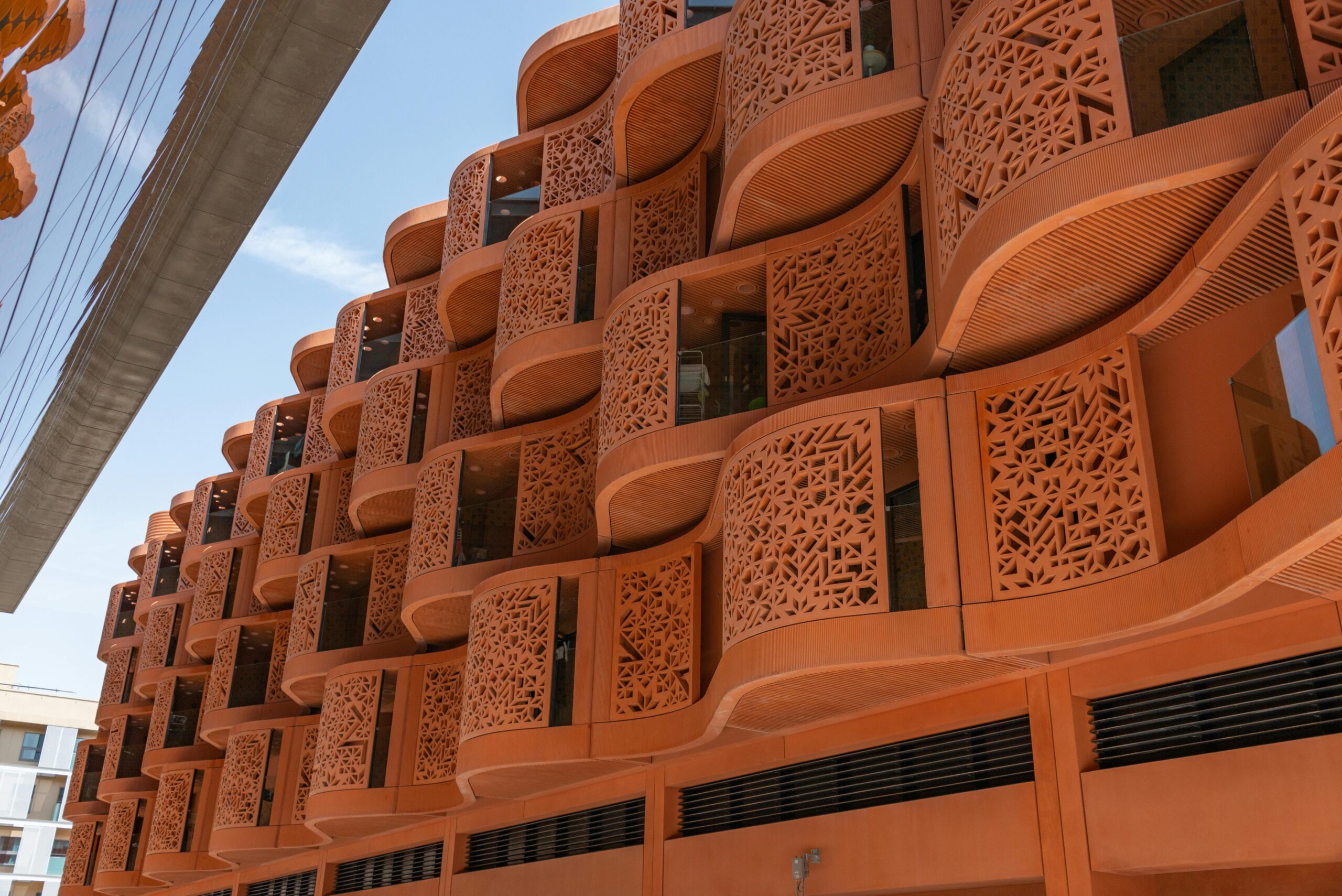
The aesthetic dimension deserves consideration too. Bio-thermal facades need not sacrifice beauty for performance. Dynamic, responsive building skins create visual interest while demonstrating environmental commitment. Green walls and living envelopes introduce nature into urban environments, providing psychological and ecological benefits alongside thermal performance.
As climate pressures intensify and sustainability transitions from optional to imperative, bio-thermal building envelope design offers a practical pathway toward dramatically improved building performance. By learning from biological systems refined through evolutionary processes, architects and engineers can create structures that work with nature rather than against it—protecting occupants, reducing environmental impact, and demonstrating that high performance and sustainability are not constraints but opportunities for innovation and excellence.
The power of bio-thermal behavior in building envelopes lies not in any single technology or strategy but in the fundamental approach—observing natural systems, understanding underlying principles, and creatively applying those lessons to architectural challenges. This methodology ensures continued innovation as materials science advances and climate conditions evolve, establishing a framework for sustainable design that remains relevant regardless of future technological developments.
