
Anúncios
Urban heat islands are transforming city landscapes into uncomfortable furnaces, but innovative water features offer a refreshing solution through natural evaporative cooling processes.
💧 The Science Behind Water’s Cooling Power
Anúncios
Water possesses remarkable properties that make it an ideal cooling agent in urban environments. When water evaporates, it absorbs heat energy from the surrounding air, effectively lowering ambient temperatures. This process, known as evaporative cooling, has been used for centuries across different civilizations, from ancient Persian wind towers to traditional Spanish courtyards.
Modern urban planners are rediscovering this ancient wisdom as cities worldwide struggle with rising temperatures. The phenomenon works through a straightforward physical principle: as liquid water transitions to vapor, it requires energy. This energy comes from the surrounding environment, pulling heat from the air and creating a noticeable cooling effect within the immediate vicinity.
Anúncios
Research demonstrates that strategically placed water features can reduce local temperatures by 3 to 7 degrees Celsius, depending on factors such as humidity levels, wind patterns, and the scale of the installation. This temperature reduction might seem modest, but it can significantly impact human comfort and reduce energy consumption in nearby buildings.
🏙️ Types of Urban Water Features for Maximum Cooling
Different water features serve distinct purposes in the urban cooling strategy. Understanding which type works best for specific environments helps maximize their effectiveness while creating aesthetically pleasing public spaces.
Fountains and Spray Systems
Traditional fountains remain among the most popular water features in urban settings. Modern designs incorporate adjustable spray patterns that maximize water surface area exposure to air, enhancing evaporation rates. Interactive splash pads have become particularly popular in residential neighborhoods, providing both cooling benefits and recreational opportunities for communities.
Misting systems represent an evolution of fountain technology, creating fine water droplets that evaporate almost instantly. These installations can be integrated into bus stops, outdoor dining areas, and pedestrian walkways. The immediate cooling effect makes them particularly valuable during heat waves, offering respite to urban dwellers without requiring large water volumes.
Reflective Pools and Water Gardens
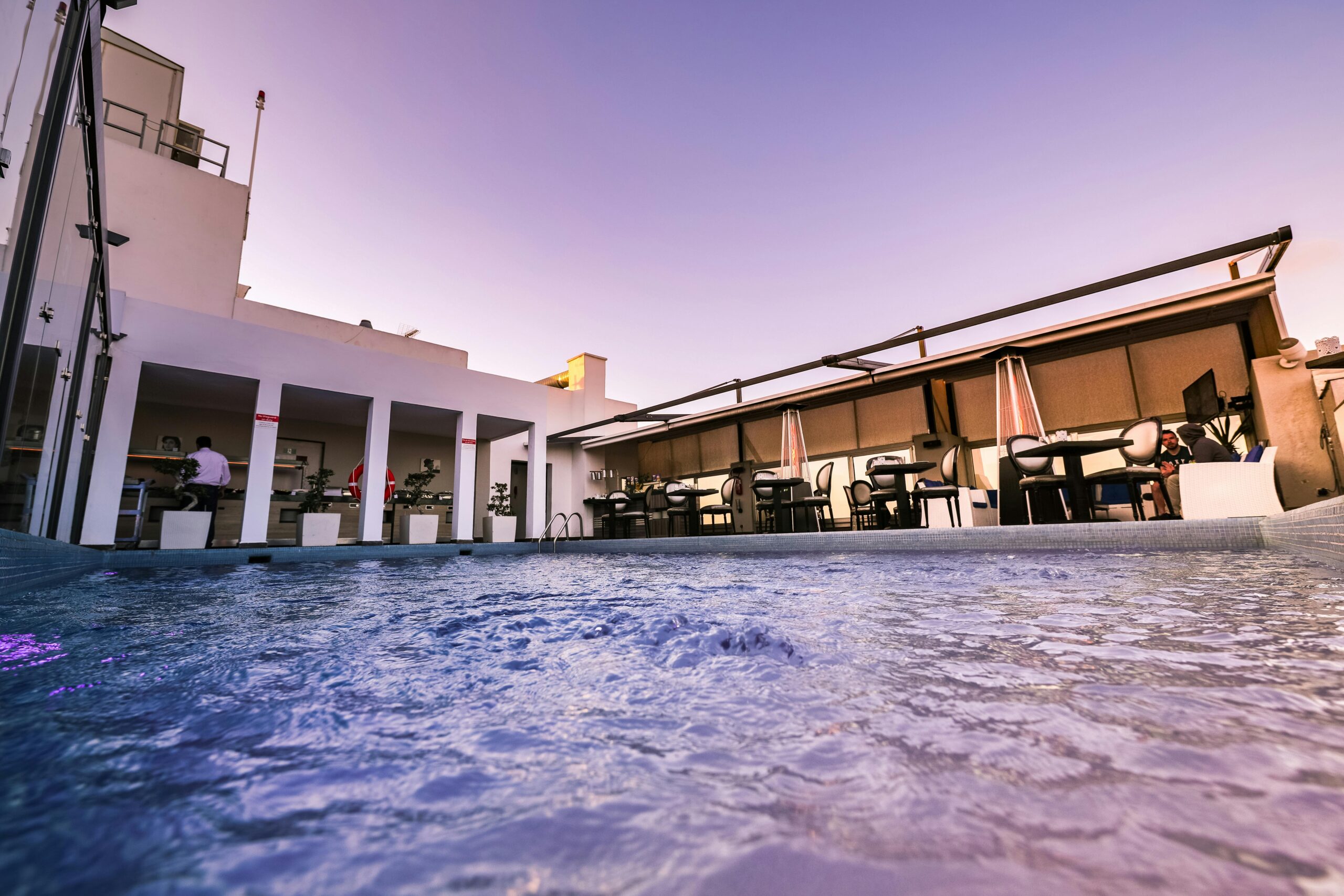
Shallow reflective pools serve dual purposes in urban cooling strategies. The water surface facilitates evaporation while reflecting sunlight away from heat-absorbing surfaces. When combined with vegetation, these features create microclimate zones that can be several degrees cooler than surrounding areas.
Water gardens incorporate aquatic plants that contribute additional cooling through transpiration. These living systems filter water naturally while providing habitat for urban wildlife. The combination of evaporative cooling and plant transpiration creates synergistic effects that amplify temperature reduction.
Cascading Water Walls
Vertical water features maximize evaporative surface area within limited footprints, making them ideal for dense urban environments. Water walls can be integrated into building facades, creating dramatic visual effects while actively cooling the structure and surrounding air. The sound of flowing water also provides psychological cooling effects, making spaces feel more comfortable even before temperature changes occur.
🌡️ Strategic Placement for Optimal Cooling Impact
Location determines the effectiveness of water features in urban cooling applications. Strategic placement requires understanding local climate patterns, wind directions, and pedestrian traffic flows to maximize benefits for the greatest number of people.
High-traffic pedestrian zones benefit most from cooling water features. Placing installations near public transportation stops, shopping districts, and recreational areas ensures maximum exposure to populations vulnerable to heat stress. The cooling effect extends approximately 10 to 50 meters from the water source, depending on environmental conditions.
Wind patterns significantly influence cooling distribution. Positioning water features upwind from areas requiring temperature reduction allows naturally circulating air to carry cooled, moisture-enriched air across broader spaces. Urban planners increasingly use computational fluid dynamics modeling to optimize placement decisions.
Integration with existing green infrastructure multiplies cooling benefits. Combining water features with tree canopies and vegetation creates layered cooling systems where shade reduces direct solar heating while water provides evaporative cooling. These combinations can reduce local temperatures by up to 10 degrees Celsius compared to traditional hardscape environments.
🌿 Combining Water Features with Green Infrastructure
The most effective urban cooling strategies integrate water features with vegetation to create comprehensive climate mitigation systems. Plants contribute cooling through transpiration, the process of releasing water vapor through leaf surfaces. When combined with water features, these systems create powerful temperature reduction zones.
Bioswales represent excellent examples of integrated design. These vegetated channels manage stormwater while providing continuous moisture for plants and contributing to ambient cooling. The flowing water creates evaporative cooling while plants provide shade and additional transpiration benefits.
Rain gardens connected to building downspouts capture precipitation for later use in fountains and irrigation systems. This circular approach reduces municipal water demand while maintaining cooling features throughout dry periods. Native plant selections minimize maintenance requirements while maximizing ecological benefits.
Green roofs with water features provide cooling at elevated levels where heat often accumulates. Shallow pools or fountain elements on vegetated roofs create cooling effects that benefit building occupants while reducing heat island effects. These installations demonstrate how vertical layering of cooling strategies enhances overall urban climate resilience.
💰 Economic Benefits Beyond Temperature Reduction
Investment in urban water features generates returns beyond immediate cooling benefits. Property values near well-designed water features typically increase by 5 to 20 percent, reflecting the desirability of pleasant microclimates and attractive public spaces.
Energy cost reductions represent significant economic advantages. Buildings located near cooling water features require less air conditioning, reducing electricity consumption during peak demand periods. Studies indicate energy savings of 15 to 30 percent for structures within the cooling zone of major water features.
Healthcare cost reductions emerge as cities reduce heat-related illnesses. Emergency room visits for heat stress decrease in neighborhoods with adequate cooling infrastructure. The economic value of preventing heat-related health issues far exceeds the installation and maintenance costs of water features.
Tourism and economic development benefit from attractive water features that create destination spaces. Cities renowned for innovative water installations attract visitors and businesses seeking pleasant urban environments. The economic multiplier effect extends throughout local economies as these installations drive foot traffic to surrounding businesses.
♻️ Sustainable Water Management for Cooling Systems
Water conservation concerns require careful management of urban cooling features. Modern installations incorporate recirculation systems that minimize consumption while maintaining cooling effectiveness. Closed-loop systems can operate with 90 percent less water than traditional once-through designs.
Rainwater harvesting provides sustainable water sources for cooling features. Storage cisterns collect precipitation during wet periods for use during dry seasons. These systems reduce strain on municipal water supplies while providing free water resources for cooling installations.
Greywater recycling offers another sustainable approach. Treated wastewater from buildings can safely supply decorative fountains and cooling features, giving secondary use to water that would otherwise enter sewage systems. Proper treatment ensures public health safety while maximizing water resource efficiency.
Smart monitoring systems optimize water usage based on temperature, humidity, and demand patterns. Sensors activate cooling features during peak heat periods while reducing operation during cooler times. This responsive approach balances cooling benefits with water conservation imperatives.
🏗️ Design Considerations for Urban Planners
Successful water feature implementation requires attention to multiple design factors. Scale must match the intended cooling area while considering available water resources and maintenance capabilities. Oversized installations waste resources, while undersized features fail to deliver meaningful benefits.
Accessibility ensures all community members benefit from cooling installations. Design should accommodate people with disabilities while creating safe environments for children and elderly populations. Universal design principles make cooling features inclusive community assets.
Aesthetic integration with surrounding architecture creates coherent urban landscapes. Water features should complement rather than conflict with existing design elements. Cultural considerations ensure installations respect local traditions and preferences.
Maintenance accessibility affects long-term viability. Designs should facilitate easy cleaning, repair, and seasonal adjustments. Hidden service access prevents maintenance activities from disrupting public use while ensuring features remain functional year-round.
📊 Measuring Success: Monitoring and Evaluation
Quantifying cooling effectiveness helps justify investments and guide future installations. Temperature monitoring at various distances from water features documents actual cooling zones. Data collection should occur during different seasons and weather conditions to understand performance variability.
User surveys assess perceived comfort improvements and public satisfaction with installations. Subjective responses often reveal benefits beyond measurable temperature changes, including psychological comfort and community pride. Understanding user experience guides design improvements for future projects.
Energy consumption tracking in nearby buildings provides objective evidence of economic benefits. Comparing electricity usage before and after water feature installation quantifies savings attributable to reduced cooling loads. These data support cost-benefit analyses for future projects.
Ecological monitoring documents secondary benefits such as increased urban biodiversity. Water features often attract birds, beneficial insects, and other wildlife that enhance urban ecosystems. These co-benefits strengthen the case for integrating water features into urban planning.
🌍 Global Examples Leading the Way
Cities worldwide demonstrate innovative approaches to water-based urban cooling. Singapore’s extensive network of water features includes everything from major reservoirs to neighborhood splash parks, creating a comprehensive cooling infrastructure that helps moderate the tropical city’s heat.
Barcelona’s superblock program incorporates water features into reclaimed street spaces, transforming car-dominated areas into pedestrian-friendly zones with cooling amenities. The approach demonstrates how water installations support broader urban transformation goals.
Melbourne’s urban forest strategy integrates water features with tree planting initiatives, creating synergistic cooling effects. The city’s commitment to doubling tree canopy coverage includes ensuring adequate water supplies through innovative stormwater management and cooling feature design.
Phoenix has pioneered misting systems in public spaces, addressing extreme desert heat with water-efficient cooling technology. The city’s experience provides valuable lessons for other hot, arid regions seeking cooling solutions within water scarcity constraints.
🔮 Future Innovations in Water-Based Urban Cooling
Emerging technologies promise enhanced cooling effectiveness and sustainability. Solar-powered pumps eliminate electricity costs while reducing carbon footprints of water features. Battery storage systems ensure continuous operation during peak afternoon heat periods.
Smart water features adjust operation based on real-time weather data and crowd density. Artificial intelligence algorithms optimize cooling delivery while minimizing resource consumption. These responsive systems represent the next generation of urban climate control infrastructure.
Biomimetic designs inspired by natural cooling systems offer improved efficiency. Research into how termite mounds and other natural structures manage temperature informs innovative water feature designs that maximize cooling with minimal energy input.
Phase-change materials integrated with water features store cooling capacity for delayed release. These materials absorb heat during the day and release it at night, smoothing temperature extremes and reducing peak cooling demands on surrounding buildings.
🤝 Community Engagement and Social Benefits
Water features create social gathering spaces that strengthen community bonds. Public interaction around cooling installations builds neighborhood cohesion while providing equitable access to climate comfort. These social benefits often exceed the immediate physical cooling effects.
Educational opportunities emerge from water features that demonstrate sustainable urban design principles. Interpretive signage explaining evaporative cooling processes raises public awareness about climate adaptation strategies. Community involvement in design and maintenance fosters environmental stewardship.
Equity considerations ensure disadvantaged neighborhoods receive adequate cooling infrastructure. Heat vulnerability often correlates with socioeconomic factors, making strategic placement of water features a matter of environmental justice. Prioritizing underserved communities addresses longstanding inequities in urban amenity distribution.
🎯 Implementing Your Urban Cooling Strategy
Starting small allows cities to test concepts before major investments. Pilot projects demonstrate feasibility while building public support for larger initiatives. Temporary installations during heat waves provide immediate relief while gathering data for permanent feature design.
Partnerships with private developers leverage resources and expertise. Incentive programs encouraging water feature installation in new developments expand cooling infrastructure without full public funding. Collaborative approaches accelerate implementation while distributing costs across stakeholders.
Phased implementation spreads capital costs over time while allowing continuous learning and improvement. Early projects inform subsequent designs, creating increasingly effective cooling networks. Long-term planning ensures coordinated development of comprehensive urban cooling systems.
As urban populations grow and climate change intensifies heat challenges, water features offer proven, attractive solutions for creating more livable cities. The combination of scientific effectiveness, aesthetic appeal, and multiple co-benefits makes evaporative cooling through water features an essential tool in the urban planner’s climate adaptation toolkit. Cities that embrace these strategies position themselves as comfortable, sustainable, and resilient communities prepared for a warmer future.
