
Anúncios
Modern buildings face a critical challenge: balancing natural light with energy efficiency. Adaptive glazing technologies are revolutionizing how we control solar gain, offering unprecedented control over thermal comfort and energy consumption.
🌞 Understanding Solar Gain in Contemporary Architecture
Anúncios
Solar gain refers to the increase in temperature within a space resulting from solar radiation entering through windows and glazing systems. While natural daylight enhances occupant wellbeing and reduces artificial lighting needs, excessive solar heat gain can create uncomfortable indoor environments and dramatically increase cooling costs. The challenge lies in harnessing beneficial daylight while minimizing unwanted thermal effects.
Traditional static glazing systems force building designers into compromise situations. Dark-tinted windows reduce solar heat gain but permanently sacrifice daylight quality. Clear glass maximizes natural light but allows excessive heat penetration during peak hours. This binary approach fails to address the dynamic nature of solar radiation patterns throughout the day and across seasons.
Anúncios
The economic implications are substantial. Buildings account for approximately 40% of global energy consumption, with heating, ventilation, and air conditioning (HVAC) systems representing the largest energy expenditure. Windows and glazing systems serve as the thermal weak points in building envelopes, making them critical targets for energy efficiency improvements.
The Evolution of Adaptive Glazing Technologies
Adaptive glazing represents a paradigm shift from passive to active envelope systems. These intelligent materials and assemblies respond to environmental conditions, user preferences, or automated controls to optimize solar gain management. The evolution spans several technological generations, each offering distinct advantages for specific applications.
Electrochromic Smart Windows
Electrochromic technology leads the adaptive glazing revolution with its ability to dynamically adjust tint levels through applied electrical voltage. These systems feature thin-film coatings containing electrochromic materials that change optical properties when stimulated. Users can transition glazing from fully transparent to deeply tinted states within minutes, providing precise control over visible light transmittance and solar heat gain coefficient.
The technology operates through ion insertion and extraction processes within multilayer thin-film stacks. When voltage is applied, lithium ions migrate between layers, altering the material’s absorption characteristics across the solar spectrum. The result is a reversible, stable transition that maintains its tint state without continuous power consumption.
Modern electrochromic installations demonstrate remarkable performance metrics. Leading systems achieve visible light transmittance ranging from 60% in clear states to below 2% when fully tinted. Solar heat gain coefficients drop from approximately 0.48 to 0.09, representing an 80% reduction in transmitted solar energy. These capabilities enable unprecedented control over indoor environmental conditions.
Thermochromic and Photochromic Solutions
Passive adaptive glazing systems respond automatically to environmental triggers without external control systems. Thermochromic materials transition based on temperature thresholds, becoming more reflective or absorptive as glass temperatures rise. This autonomous response provides basic solar gain management without complex controls or power requirements.
Photochromic glazing responds to ultraviolet radiation intensity, darkening under bright sunlight and clearing when light levels decrease. Originally popularized in eyewear applications, architectural photochromic systems offer self-regulating solar control suitable for climates with consistent sun exposure patterns.
While these passive technologies offer lower installation costs and maintenance simplicity, they lack the customization and precision available through electronically controlled systems. The fixed transition points may not align with actual comfort requirements or energy optimization strategies.
🏗️ Strategic Implementation Approaches
Successful adaptive glazing integration requires comprehensive planning that considers building orientation, climate patterns, occupancy types, and energy performance goals. Generic applications fail to maximize return on investment or occupant satisfaction. Strategic deployment focuses resources where solar gain challenges are most acute and benefits most substantial.
Orientation-Based Prioritization
Solar exposure varies dramatically based on facade orientation. South-facing facades in northern hemisphere locations receive intense, direct sunlight throughout the day, particularly during summer months. These exposures benefit most significantly from adaptive glazing technologies that can modulate intense solar radiation while preserving daylight quality.
East and west orientations present unique challenges with low-angle morning and afternoon sun creating glare issues and concentrated thermal loads. Adaptive glazing on these facades addresses comfort concerns related to direct sun exposure during occupied hours. North-facing glazing typically receives minimal direct solar gain, making adaptive technologies less critical for thermal control but potentially valuable for glare management in specific applications.
Tropical and equatorial climates experience different solar geometry that influences optimal implementation strategies. The sun’s higher angle throughout the year creates different shading patterns and glazing performance requirements compared to temperate or polar regions.
Zone-Based Control Strategies
Effective adaptive glazing systems incorporate intelligent zoning that recognizes different functional requirements within buildings. Perimeter zones with high glazing ratios require different control strategies than core areas. Conference rooms, open workspaces, private offices, and circulation areas each present distinct solar gain challenges and occupant expectations.
Automated control systems can implement zone-based algorithms that consider time of day, season, outdoor conditions, and real-time indoor measurements. Sensors monitoring temperature, illuminance, and occupancy inform dynamic adjustments that balance energy efficiency with occupant comfort and productivity.
Manual override capabilities remain essential despite advanced automation. Occupants require some degree of personal control over their immediate environment to maintain satisfaction and perceived comfort. The optimal approach combines intelligent automated defaults with intuitive user adjustment options.
🔬 Performance Metrics and Quantifiable Benefits
Evaluating adaptive glazing investments requires understanding multiple performance dimensions beyond simple energy savings. Comprehensive assessment considers thermal performance, lighting quality, occupant wellbeing, and long-term operational costs.
Energy Consumption Reductions
Field studies and building simulations consistently demonstrate substantial energy savings from properly implemented adaptive glazing systems. Cooling load reductions typically range from 15% to 30% in cooling-dominated climates, with some installations achieving even greater performance improvements.
The magnitude of savings depends on several factors including climate zone, building orientation, window-to-wall ratios, and existing HVAC system efficiency. Buildings with high glazing percentages in hot climates experience the most dramatic improvements. Temperate regions with significant heating and cooling seasons benefit from technologies that can transition between solar gain harvesting during winter and rejection during summer.
Lighting energy reductions complement HVAC savings. Daylight harvesting strategies integrated with adaptive glazing allow deeper natural light penetration while controlling glare and excessive brightness. Automated dimming of electric lights based on available daylight can reduce lighting energy consumption by 40% to 60% in perimeter zones.
Thermal Comfort Improvements
Occupant comfort extends beyond simple temperature metrics to encompass thermal radiation, air movement, and humidity factors. Large glazing areas create asymmetric radiant environments where occupants near windows experience significantly different conditions than those in interior locations.
Adaptive glazing mitigates these radiant asymmetries by controlling solar heat transmission. Studies measuring predicted mean vote (PMV) and predicted percentage dissatisfied (PPD) indices demonstrate marked improvements in thermal comfort when adaptive systems actively manage solar gain. Spaces that previously required supplementary cooling or sun shading to maintain comfort become naturally comfortable through intelligent glazing control.
Seasonal flexibility represents another comfort advantage. The same glazing can admit beneficial solar warmth during winter months while rejecting unwanted heat during summer, eliminating the static compromise inherent in conventional glazing selections.
💡 Integration with Building Management Systems
Adaptive glazing achieves optimal performance when integrated into comprehensive building automation platforms. Standalone window controls provide basic functionality but miss opportunities for system-level optimization that considers interactions between envelope, lighting, and HVAC systems.
Predictive Control Algorithms
Advanced building management systems implement predictive control strategies that anticipate solar conditions and thermal loads rather than simply reacting to current measurements. Machine learning algorithms analyze historical patterns, weather forecasts, and building thermal response characteristics to optimize glazing states proactively.
These predictive approaches precondition spaces before occupancy, adjust glazing settings in advance of peak solar loads, and coordinate with thermal mass strategies for load shifting. The result is improved comfort with reduced energy consumption compared to reactive control approaches.
Cloud-based platforms enable ongoing optimization as systems collect operational data and refine control algorithms. Building managers gain visibility into glazing performance patterns and can adjust strategies based on actual measured results rather than theoretical predictions.
Integrated Daylight Harvesting
Coordinating adaptive glazing with automated lighting controls creates synergistic energy savings exceeding independent system benefits. As glazing adjusts to admit optimal daylight while controlling glare, lighting systems dim or switch off electric lights in response to adequate natural illumination.
Sophisticated integration prevents common problems like over-dimming that creates gloomy spaces or insufficient glare control that triggers occupant complaints. Coordinated control maintains target illuminance levels at work surfaces while minimizing both electric lighting energy and solar heat gain.
Circadian lighting strategies represent an emerging integration opportunity. Adaptive glazing can modulate not just the quantity but the spectral quality of admitted daylight to support healthy circadian rhythms in building occupants.
🌍 Climate-Specific Implementation Strategies
Optimal adaptive glazing approaches vary significantly across climate zones. Universal specifications fail to maximize performance and may compromise comfort or efficiency in certain contexts.
Cooling-Dominated Hot Climates
Regions with year-round or extended cooling seasons prioritize solar heat gain rejection. Adaptive glazing in these climates focuses on minimizing unwanted thermal loads while preserving adequate daylight for interior functions. Default control strategies maintain darker tint states during peak sun hours, particularly on high-exposure facades.
Desert and tropical implementations must also address dust accumulation and extreme temperature effects on glazing system reliability. Specification considerations include high-temperature performance ratings and surface treatments that minimize soiling impacts on optical properties.
Heating-Dominated Cold Climates
Cold climate applications leverage adaptive glazing for beneficial solar heat harvesting during heating seasons while providing essential summertime cooling load reduction. Control algorithms in these regions implement seasonal strategies that maximize solar gain during winter months when free heating reduces energy costs.
Condensation resistance becomes a critical specification parameter in cold climates. Low interior surface temperatures on glazing can trigger condensation that impairs visibility and potentially damages electrochromic coatings. Insulated glazing units with adaptive technologies require careful thermal modeling to ensure acceptable performance across extreme temperature ranges.
Mixed-Climate Temperate Zones
Temperate regions with significant heating and cooling seasons benefit most from glazing flexibility. The ability to transition between solar gain harvesting and rejection modes across seasons provides year-round energy advantages impossible with static glazing systems.
Moderate climates also emphasize glare control and visual comfort benefits that complement energy performance. Office buildings and institutional facilities in temperate zones frequently cite improved occupant satisfaction and productivity as primary drivers for adaptive glazing adoption, with energy savings serving as supporting justification.
⚡ Emerging Technologies and Future Developments
Adaptive glazing continues evolving with new materials, manufacturing processes, and integration approaches. Several emerging technologies promise to further enhance performance capabilities and expand application opportunities.
Photovoltaic-Integrated Adaptive Glazing
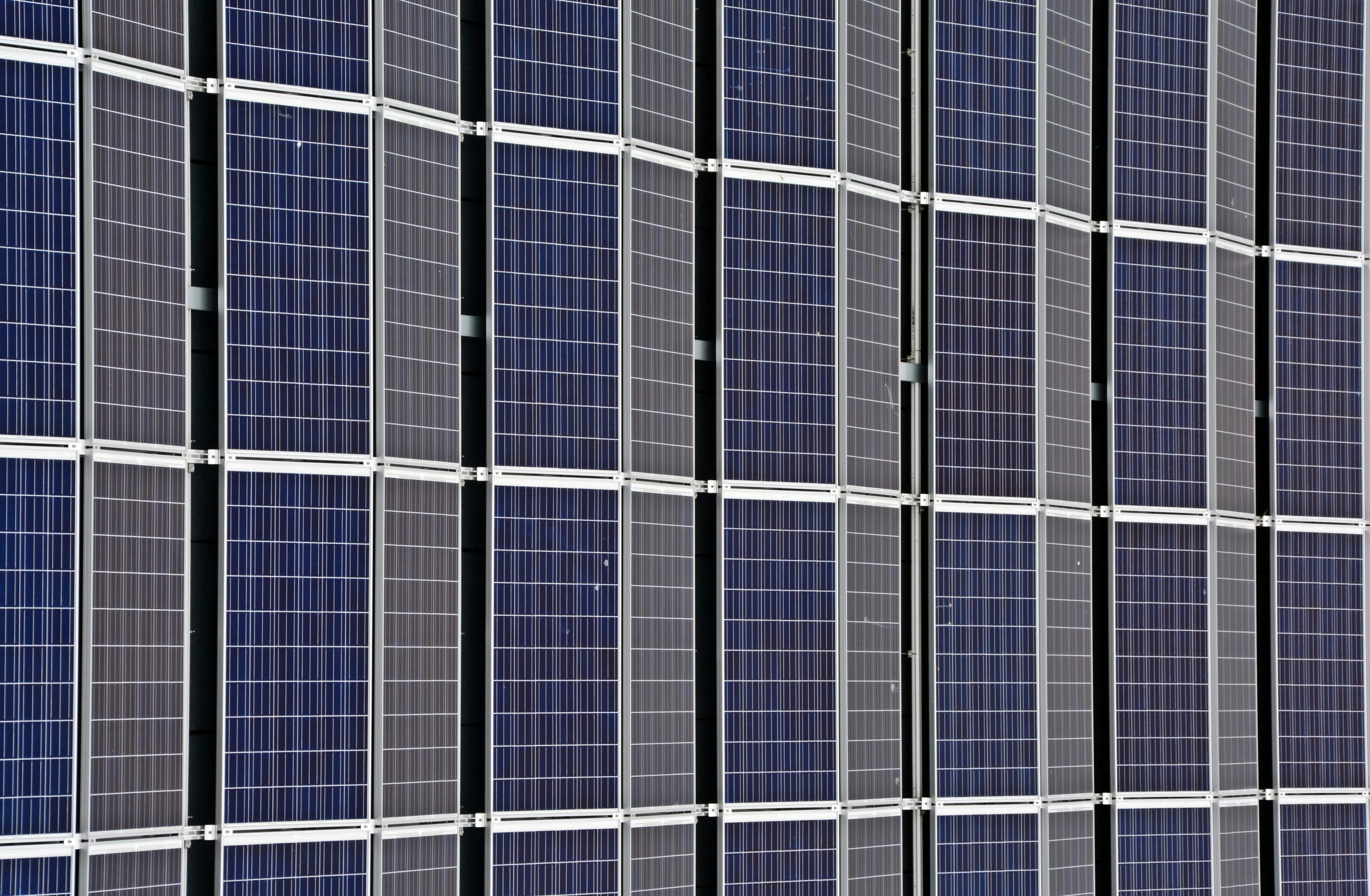
Combining solar electricity generation with dynamic tint control creates multifunctional glazing systems. Transparent photovoltaic cells can be integrated with electrochromic layers, generating power while managing solar gain. These hybrid systems transform windows from energy liabilities into net energy contributors under optimal conditions.
Current challenges include balancing optical transparency for daylight with photovoltaic efficiency requiring light absorption. Emerging materials like organic photovoltaics and perovskite solar cells offer improved transparency compared to traditional silicon cells, making architectural integration more practical.
Liquid Crystal and Suspended Particle Technologies
Alternative switchable glazing technologies provide different performance characteristics suited to specific applications. Liquid crystal devices offer rapid switching speeds and privacy control capabilities. Suspended particle devices provide continuous variable tinting with lower power consumption than some electrochromic systems.
Each technology presents distinct cost structures, durability profiles, and aesthetic characteristics. Market maturation is expanding options available to designers and building owners, enabling better matching of technologies to specific project requirements.
📊 Financial Considerations and Return on Investment
Adaptive glazing systems command premium costs compared to conventional static glazing. Comprehensive financial analysis must account for initial capital expenditures, operational savings, maintenance costs, and broader building value impacts.
First costs for electrochromic glazing currently range from $50 to $150 per square foot depending on system specifications, project scale, and complexity. These premiums compare against high-performance static glazing baselines costing $30 to $60 per square foot for equivalent thermal performance.
Simple payback periods typically range from 8 to 15 years based on energy savings alone. However, comprehensive value assessments consider additional benefits including reduced HVAC infrastructure sizing requirements, improved occupant productivity, enhanced marketability for commercial properties, and potential utility incentives for demand reduction.
Financing options increasingly recognize glazing as building equipment eligible for energy efficiency lending programs rather than simple construction materials. These structured financing approaches can improve project economics by aligning costs with realized benefits over time.
🎯 Implementation Best Practices
Successful adaptive glazing projects require careful attention throughout design, specification, installation, and commissioning phases. Several best practices consistently distinguish high-performing installations from problem projects.
Early design integration proves essential. Adaptive glazing affects multiple building systems and architectural decisions. Involving glazing specialists during schematic design enables optimization of window sizes, orientations, and control strategies that maximize technology benefits.
Mockups and testing validate performance before full installation. Testing sample installations under actual site conditions identifies potential issues with appearance, functionality, or integration that can be addressed before committing to complete facade implementation.
Comprehensive commissioning ensures systems operate as intended. Many adaptive glazing installations fail to achieve predicted performance due to improper control programming, sensor calibration errors, or integration problems with building automation systems. Systematic commissioning protocols verify proper operation across all operating modes and environmental conditions.
Occupant education represents an often-overlooked success factor. Building users require clear explanation of system capabilities and intended operation to set appropriate expectations. Transparent communication about why glazing adjusts automatically and how manual controls function prevents dissatisfaction and inappropriate override behaviors.
🔮 The Future of Responsive Building Envelopes
Adaptive glazing represents one component of an emerging responsive envelope paradigm. Future buildings will feature integrated systems where multiple envelope elements coordinate dynamically to optimize performance. Glazing, shading, ventilation, and thermal mass elements will function as orchestrated systems rather than independent components.
Artificial intelligence and machine learning will enhance control sophistication, learning occupant preferences and optimizing strategies based on continuous performance feedback. Digital twin technologies will enable virtual testing of control strategies and predictive maintenance that addresses performance degradation before occupants notice problems.
Material science advances promise even more capable adaptive glazing with faster switching speeds, broader tint ranges, improved durability, and lower costs. Economies of scale as adoption accelerates will make technologies currently considered premium options increasingly accessible for mainstream construction projects.
The built environment faces urgent pressure to dramatically reduce energy consumption and carbon emissions. Adaptive glazing technologies provide proven, deployable solutions that transform windows from energy liabilities into active contributors to building performance. As climate change intensifies solar heat management challenges, these intelligent envelope systems will transition from innovative options to essential components of responsible, efficient building design.
