
Anúncios
Modern navigation has evolved into something extraordinary — a digital companion that fits right in your pocket, guiding millions through unknown streets, cities, and adventures every single day.
Anúncios
GPS apps have transformed how we experience the world around us.


What once required paper maps, compass skills, and a good sense of direction now lives seamlessly within our smartphones.
Anúncios
These powerful tools have become essential for daily commutes, road trips, hiking adventures, and discovering new places with confidence.
The beauty of GPS technology lies in its accessibility and precision. Whether you’re navigating busy city streets or exploring remote countryside paths, these applications provide real-time guidance that adapts to your movements, traffic conditions, and personal preferences.
Let’s dive deep into how GPS apps work and why they’ve become indispensable in modern life.
🌍 The Magic Behind GPS Technology
Global Positioning System technology operates through a constellation of satellites orbiting Earth. Your smartphone communicates with multiple satellites simultaneously, calculating your exact position through a process called trilateration. This sophisticated system pinpoints your location within meters, sometimes even centimeters with enhanced accuracy modes.
GPS apps leverage this satellite data and combine it with cellular tower information, Wi-Fi networks, and internal sensors like accelerometers and gyroscopes. This multi-source approach ensures you maintain navigation capabilities even when satellite signals weaken, such as in urban canyons surrounded by tall buildings or inside tunnels.
The processing happens instantaneously. As you move, your device constantly recalculates your position and adjusts the route accordingly. This real-time functionality creates that seamless navigation experience where the app seems to anticipate your every turn and movement.
📱 Core Features That Define Modern GPS Apps
Contemporary GPS applications offer far more than basic directions. They’ve evolved into comprehensive travel assistants packed with features designed to enhance every journey.
Turn-by-Turn Voice Navigation
Voice-guided directions allow you to keep your eyes on the road while receiving clear instructions. The system announces upcoming turns, lane changes, and exits well in advance, reducing stress and improving safety. Many apps now support multiple languages and voice options, personalizing the experience to user preferences.
Real-Time Traffic Updates
Traffic intelligence has revolutionized urban navigation. GPS apps monitor current road conditions using data from millions of users, traffic cameras, and official reports. When accidents, construction, or congestion occur, the app automatically suggests alternative routes, potentially saving hours of frustration.
Offline Maps Capability
One of the most valuable features for travelers is offline functionality. You can download maps for specific regions before your trip, ensuring navigation continues even without cellular data or Wi-Fi. This proves essential when traveling internationally, hiking in remote areas, or simply conserving mobile data.
Multi-Stop Route Planning
Planning complex journeys with multiple destinations becomes effortless. GPS apps optimize the sequence of stops, calculating the most efficient route that visits all locations while minimizing travel time and distance. This feature benefits delivery drivers, sales professionals, and anyone running multiple errands.
Points of Interest Discovery
Beyond navigation, these apps help you discover restaurants, gas stations, hotels, attractions, and services along your route or near your current location. User reviews, photos, operating hours, and contact information provide comprehensive details to inform your decisions.

🚗 Transportation Mode Flexibility
Modern GPS apps recognize that people travel in various ways, and they’ve adapted accordingly with specialized modes for different transportation methods.
Driving Mode: Optimized for car travel with highway preferences, toll road options, and parking availability information. The interface displays larger buttons and clearer visuals suitable for quick glances while driving.
Walking Mode: Pedestrian routes utilize sidewalks, crosswalks, and pathways inaccessible to vehicles. Distance and time estimates account for walking pace, and the interface includes compass features for easier orientation.
Public Transit Mode: Integration with bus, subway, train, and ferry schedules provides comprehensive journey planning including transfers, departure times, and platform information. Real-time updates notify you of delays or service changes.
Cycling Mode: Bike-friendly routes prioritize bike lanes, paths, and lower-traffic streets. Elevation data helps cyclists anticipate hills, and the app considers typical cycling speeds for accurate arrival estimates.
Ride-Sharing Integration: Many GPS apps connect directly with ride-sharing services, allowing you to compare prices and request rides without switching applications. This seamless integration simplifies urban mobility.
🎯 Precision and Accuracy Improvements
GPS technology continues advancing, delivering increasingly precise positioning capabilities. Standard GPS accuracy ranges from 5 to 10 meters under open sky conditions, but newer technologies push these boundaries significantly.
Assisted GPS (A-GPS) uses cellular network data to speed up satellite acquisition and improve accuracy in challenging environments. Differential GPS (DGPS) employs ground-based reference stations to correct signal errors, achieving meter-level precision.
The latest smartphones incorporate multi-frequency GPS receivers that communicate with multiple satellite systems simultaneously — GPS (USA), GLONASS (Russia), Galileo (Europe), and BeiDou (China). This multi-constellation approach dramatically improves reliability and accuracy, especially in urban areas where buildings obstruct satellite signals.
🔋 Battery Optimization Strategies
GPS functionality historically drained smartphone batteries quickly, but modern apps employ clever optimization techniques to extend usage time substantially.
Adaptive location services adjust GPS polling frequency based on your movement speed. When stationary, the app reduces satellite queries; when traveling at highway speeds, it increases update frequency for accurate navigation. This dynamic adjustment conserves significant battery power.
Screen brightness optimization dims the display during straight-away segments and brightens it before turns or decision points. Combined with dark mode options that reduce power consumption on OLED screens, these features extend navigation sessions considerably.
Offline maps eliminate the need for constant data connectivity, which consumes substantial battery power. Pre-downloading routes before departure allows the app to function primarily through GPS satellites, dramatically reducing energy requirements.
🌟 Privacy and Data Considerations
GPS apps collect location data to provide their services, raising important privacy considerations that users should understand and manage actively.
Most applications offer granular privacy controls allowing you to limit location sharing to only when the app is active, or disable it entirely for certain features. You can typically delete location history and prevent the app from storing your travel patterns.
Anonymous data aggregation helps improve traffic predictions and map accuracy without compromising individual privacy. Your specific movements combine with millions of other users to create traffic patterns and route recommendations.
Review privacy settings regularly and adjust permissions based on your comfort level. Modern GPS apps function effectively even with restrictive privacy settings, though some features like personalized recommendations may be limited.
💡 Smart Features Powered by AI
Artificial intelligence has elevated GPS apps from simple navigation tools to intelligent travel companions that learn and adapt to individual preferences.
Predictive Suggestions
Machine learning algorithms analyze your travel history to predict destinations before you even search. The app might suggest your workplace during morning hours or your gym on typical workout days, reducing the steps needed to start navigation.
Personalized Route Preferences
Over time, the app learns whether you prefer highways or scenic routes, tolls or free roads, fastest paths or shortest distances. These learned preferences automatically influence future route calculations without manual adjustment.
Smart ETA Calculations
Beyond simple distance and speed calculations, AI-powered apps consider historical traffic patterns, current conditions, typical delays at specific intersections, and even weather impacts to provide remarkably accurate arrival time estimates.
Contextual Recommendations
Based on time of day, current location, and past behavior, GPS apps suggest relevant points of interest. Lunchtime might trigger restaurant recommendations, while evening searches might prioritize entertainment venues.
🗺️ Specialized GPS Applications
While general-purpose navigation apps serve most needs excellently, specialized GPS applications cater to specific activities and professional requirements.
Hiking and Trail Apps: Designed for outdoor enthusiasts with topographic maps, elevation profiles, trail difficulty ratings, and offline functionality crucial for remote adventures where cellular service doesn’t exist.
Marine Navigation Apps: Sailors and boaters use specialized GPS apps featuring nautical charts, tide information, marine weather forecasts, and hazard warnings specific to water navigation.
Aviation GPS: Pilots rely on aviation-specific apps with aeronautical charts, airspace information, weather layers, and flight planning tools meeting strict aviation standards.
Delivery and Fleet Apps: Commercial drivers use GPS apps optimized for logistics, featuring delivery management, proof of delivery capture, route optimization for multiple stops, and integration with dispatch systems.
🌐 International Travel Capabilities
GPS apps shine brightest when exploring unfamiliar territories, making international travel less intimidating and more enjoyable.
Downloading offline maps before international trips eliminates expensive roaming charges while maintaining full navigation capabilities. Most apps allow downloading entire countries or regions, ensuring comprehensive coverage throughout your journey.
Multi-language support automatically displays street names, place labels, and directions in local languages or your preferred language. Voice guidance switches seamlessly between languages, pronouncing foreign street names correctly.
Currency conversion, metric system adaptation, and local points of interest databases help you navigate not just physically but culturally, discovering authentic experiences beyond typical tourist destinations.
🔧 Troubleshooting Common GPS Issues
Even sophisticated technology occasionally encounters problems. Understanding common issues and solutions ensures reliable navigation when you need it most.
Weak or No GPS Signal: Move away from tall buildings, dense tree cover, or indoor locations. Ensure location services are enabled in device settings and the app has necessary permissions. Restart your phone to reset satellite connections.
Inaccurate Positioning: Calibrate your device’s compass by moving it in a figure-eight pattern. Update the GPS app to the latest version. Clear the app’s cache, which sometimes contains corrupted location data.
Rapid Battery Drain: Reduce screen brightness, enable battery saver mode, download offline maps, and close unnecessary background apps. Consider using a car charger during long navigation sessions.
Outdated Map Information: Regularly update your GPS app and download fresh map data. Report incorrect information through the app’s feedback system, contributing to improved accuracy for all users.
🚀 The Future of GPS Navigation
Navigation technology continues evolving rapidly, with exciting developments promising even more sophisticated functionality in coming years.
Augmented reality navigation overlays directional arrows and information directly onto live camera views, making complex intersections and unfamiliar areas easier to navigate. This technology transforms smartphones into windows that blend digital guidance with physical reality.
Vehicle integration deepens as GPS apps connect seamlessly with car infotainment systems, displaying navigation on dashboard screens, utilizing superior speakers for voice guidance, and accessing vehicle data for more accurate range predictions in electric cars.
Indoor positioning systems extend GPS functionality inside large buildings like shopping malls, airports, and hospitals where satellite signals don’t penetrate. Bluetooth beacons and Wi-Fi triangulation enable floor-by-floor navigation within complex structures.
Autonomous vehicle preparation sees GPS apps developing centimeter-level accuracy and 3D mapping capabilities essential for self-driving cars. These advances benefit regular users today while laying groundwork for tomorrow’s transportation revolution.
✨ Maximizing Your GPS App Experience
Getting the most from your GPS app requires understanding its full capabilities and adjusting settings to match your specific needs and preferences.
Explore all available features beyond basic navigation. Save frequent destinations as favorites for one-tap access. Use voice commands for hands-free operation while driving. Enable notifications for saved places to receive alerts when passing nearby.
Customize map views to display relevant information prominently. Toggle traffic layers, satellite imagery, transit lines, or bicycle paths based on your current needs. Adjust voice guidance volume independently from other phone audio.
Contribute to the community by reporting accidents, speed traps, road closures, and map errors. Your input helps improve accuracy for millions of users while making the app more reliable for your own future journeys.
Regularly update both the app and downloaded offline maps to access new features, improved algorithms, and current road information. Enable automatic updates to maintain optimal performance without manual intervention.
🎊 Empowering Every Journey
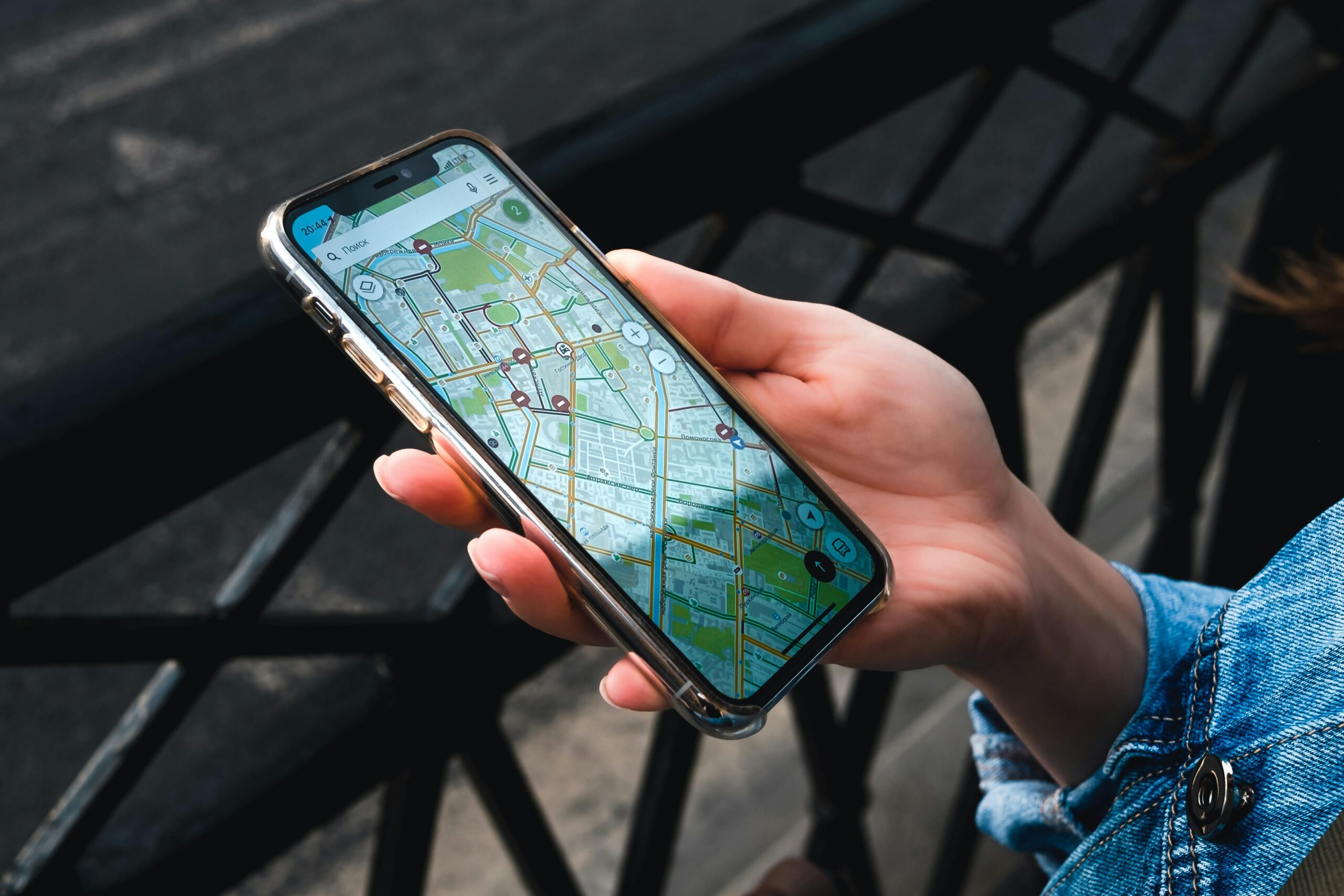
GPS apps represent one of technology’s most democratizing achievements, providing professional-grade navigation capabilities to anyone with a smartphone. They’ve eliminated the anxiety of getting lost, opened up spontaneous exploration, and made unfamiliar places feel accessible and manageable.
Whether commuting to work, road-tripping across countries, hiking mountain trails, or simply finding the nearest coffee shop, GPS functionality truly rests in your hands. These remarkable tools combine satellite technology, artificial intelligence, community data, and intuitive design to create experiences that feel almost magical in their simplicity and reliability.
The power of having the entire world mapped and navigable in your pocket has fundamentally changed how we interact with physical space. We explore with confidence, discover with curiosity, and travel with assurance, knowing that reliable guidance is always just a tap away. This technology doesn’t just show us where to go — it empowers us to go anywhere.
