
Anúncios
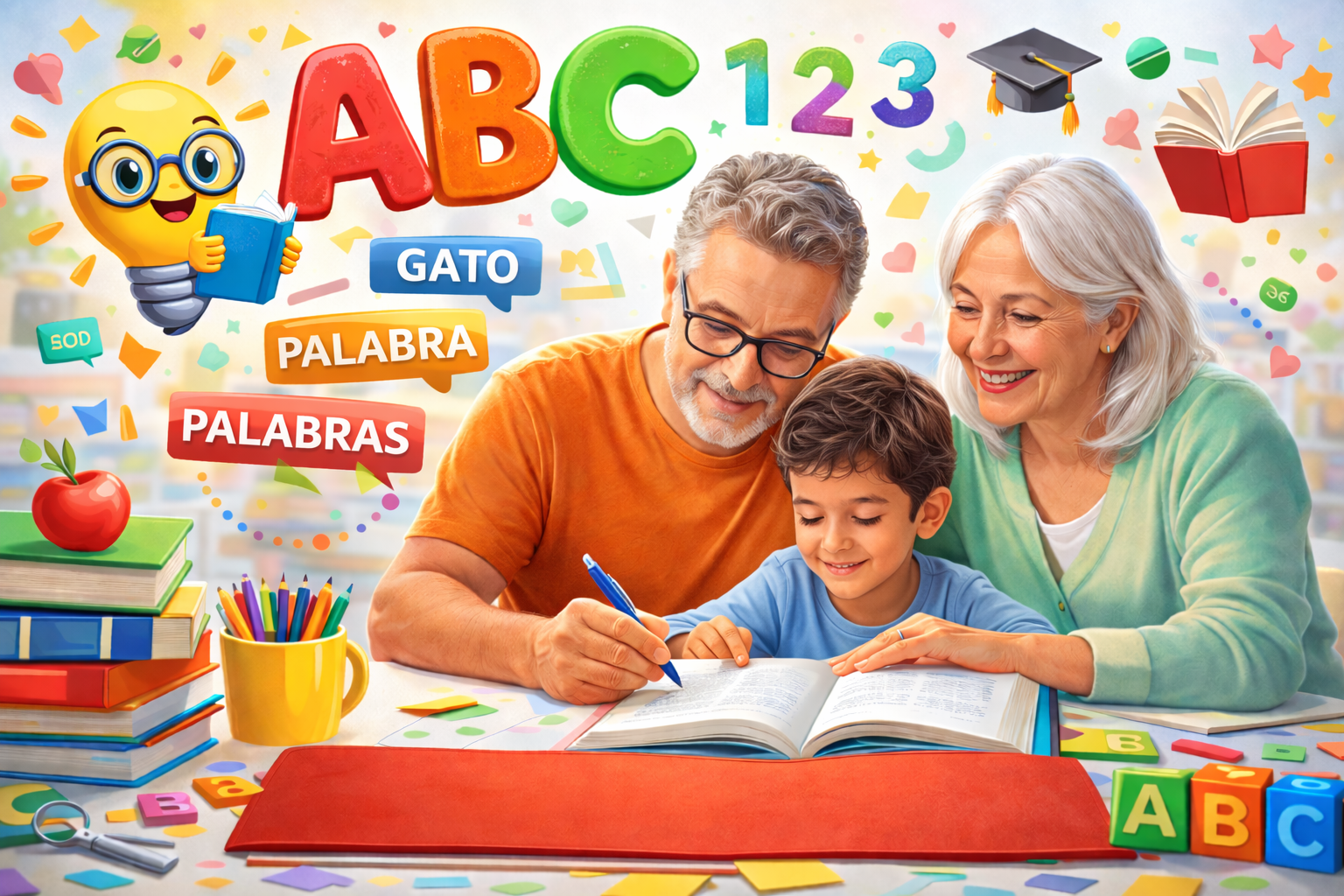
Learning to read and write is a transformative journey that opens doors to knowledge, communication, and personal growth — and it’s never too late to begin.


Anúncios
Literacy is often associated with childhood education, but the truth is that millions of adults around the world are discovering the power of reading and writing later in life. Whether you’re 18, 45, or 70, embarking on the path to literacy can change everything about how you engage with the world.
This article explores the importance of learning to read and write at any age, the challenges adults face, effective strategies for literacy education, and inspiring stories that prove it’s never too late to start. Let’s dive into this empowering topic with practical insights and hope. 📚✨
Why Literacy Matters at Every Stage of Life
Anúncios
Reading and writing are more than basic skills — they are gateways to independence, confidence, and opportunity. For adults who missed formal education in their youth, gaining literacy can mean the difference between isolation and connection, dependence and self-sufficiency.
Literacy enables people to navigate daily life with greater ease. From reading labels and signs to filling out forms and understanding medical instructions, these abilities are essential. Beyond practicality, literacy fosters self-esteem and empowers individuals to advocate for themselves and their families.
In today’s digital world, literacy has expanded beyond pen and paper. Understanding how to read online content, send messages, and access information is crucial for participation in modern society. Adults who learn to read and write later in life often report feeling more included and capable.
Breaking the Stigma Around Adult Literacy 🌱
One of the biggest barriers to adult literacy is shame. Many adults feel embarrassed about not knowing how to read or write, which prevents them from seeking help. Society often stigmatizes illiteracy, making it difficult for people to come forward.
However, the reasons behind illiteracy are complex and varied. Poverty, lack of access to education, family responsibilities, migration, and systemic inequalities all play a role. Understanding these factors helps remove judgment and create supportive learning environments.
Celebrating adult learners as courageous and motivated individuals is essential. Choosing to learn later in life requires bravery and determination, qualities that should be honored and encouraged. Creating safe, welcoming spaces for adult literacy education is key to breaking down stigma.
Common Challenges Adults Face When Learning to Read and Write
Adult learners encounter unique obstacles that differ from those faced by children. Time constraints are a major issue — many adults juggle work, family, and other responsibilities, leaving little time for study. Flexible learning options are crucial to accommodate busy schedules.
Memory and learning speed can also be concerns. Some adults worry that they’re “too old” to learn, though research shows the brain remains capable of acquiring new skills throughout life. Patience and tailored teaching methods help address these concerns effectively.
Emotional barriers, such as fear of failure or past negative experiences with education, can hinder progress. Building confidence through positive reinforcement and celebrating small victories helps learners overcome these psychological hurdles.
Financial and Logistical Barriers
Cost is another challenge. Many adult literacy programs are free or low-cost, but transportation, childcare, and materials can still pose difficulties. Community-based programs and mobile learning apps help reduce these barriers by bringing education directly to learners.
Access to technology can be limited for some adults, especially in rural or underserved areas. While digital tools offer incredible opportunities for learning, ensuring equitable access remains an ongoing challenge that educators and policymakers must address.
Effective Strategies for Teaching Adult Literacy 📖
Teaching adults to read and write requires different approaches than teaching children. Adults bring life experience, motivation, and specific goals to their learning, which educators can leverage for more effective instruction.
Contextual learning works particularly well with adults. Using materials relevant to their daily lives — such as job applications, recipes, or news articles — makes learning immediately practical and engaging. Adults want to see how literacy will improve their lives right away.
One-on-one tutoring or small group settings often yield better results than large classroom environments. Personalized instruction allows teachers to adapt to individual learning paces and address specific challenges. This approach also provides a safe space for learners to ask questions without fear.
Technology as a Learning Tool
Mobile apps and online platforms have revolutionized adult literacy education. Interactive programs offer flexibility, allowing learners to practice at their own pace and on their own schedule. Gamification elements make learning engaging and less intimidating.
Apps designed specifically for literacy often include features like audio support, visual aids, and progress tracking. These tools provide immediate feedback and encouragement, which helps maintain motivation. Technology bridges gaps for learners who cannot attend in-person classes regularly.

However, technology should complement, not replace, human interaction. Combining digital tools with supportive tutors or learning communities creates a balanced and effective learning experience. The personal connection remains vital for building confidence and addressing emotional barriers.
The Phonics Approach and Its Effectiveness
Phonics instruction teaches the relationship between letters and sounds, providing a systematic way to decode words. This method is highly effective for adult learners because it offers clear rules and patterns that can be applied to new words.
Starting with simple sounds and gradually building complexity helps learners develop strong foundational skills. Practice with common word families and sight words accelerates reading fluency. Repetition and consistent practice reinforce these essential building blocks.
Combining phonics with whole-language approaches — which emphasize meaning and context — creates a well-rounded literacy education. Adults benefit from understanding both the mechanics of reading and the joy of comprehending stories and information.
Real-Life Success Stories That Inspire 💪
Countless adults around the world have transformed their lives through literacy education. Their stories serve as powerful reminders that change is possible at any age and that determination can overcome significant obstacles.
One inspiring example is Maria, a 52-year-old grandmother who learned to read so she could help her grandchildren with homework. After years of hiding her inability to read, she joined a community literacy program. Within two years, she was reading bedtime stories and sending text messages independently.
Another remarkable story is that of James, who at 68 decided to learn to read after retiring. He had managed a successful construction business through verbal communication and memory but wanted to explore literature and history. His journey opened an entirely new world of knowledge and enjoyment.
Community Impact of Adult Literacy
When adults learn to read and write, the benefits extend beyond the individual. Families experience improved communication and educational support. Children with literate parents are more likely to succeed academically and value education themselves.
Communities with higher literacy rates see economic benefits as well. Literate adults can access better employment opportunities, participate more fully in civic life, and contribute to local development. Investing in adult literacy creates ripple effects that strengthen entire communities.
How Family and Friends Can Support Adult Learners 🤝
Support from loved ones plays a crucial role in adult literacy success. Encouragement, patience, and practical assistance can make the learning journey less daunting and more rewarding for adult learners.
Family members can help by creating quiet study time, offering to practice reading together, or simply showing interest in the learner’s progress. Celebrating milestones, no matter how small, boosts confidence and motivation significantly.
Avoiding judgment or impatience is essential. Learning to read and write as an adult requires vulnerability and courage. Creating a supportive, non-judgmental environment allows learners to take risks and make mistakes without fear.
Community Programs and Resources Available
Numerous organizations worldwide offer free or affordable adult literacy programs. Libraries, community centers, faith-based organizations, and nonprofits frequently provide classes, tutoring, and materials specifically designed for adult learners.
Literacy volunteers play a vital role in these programs. Training programs for volunteer tutors ensure quality instruction while expanding the reach of literacy services. One-on-one volunteer tutoring has proven particularly effective for adult learners.
Government initiatives and international organizations also support adult literacy through funding, curriculum development, and advocacy. These efforts help raise awareness and allocate resources to address illiteracy as a critical social issue.
Finding the Right Program
Choosing the right literacy program depends on individual needs, learning style, and circumstances. Prospective learners should consider factors like schedule flexibility, teaching approach, group size, and location when evaluating options.
Many programs offer assessments to determine the appropriate starting level and identify specific areas needing focus. This personalized approach ensures learners receive instruction suited to their current abilities and goals.
The Psychological Benefits of Becoming Literate 🧠
The impact of literacy on mental health and well-being is profound. Adults who learn to read and write often experience increased self-esteem, reduced anxiety, and a greater sense of control over their lives.
Reading opens access to information that promotes better decision-making in health, finance, and personal relationships. This knowledge empowers individuals to take charge of their circumstances and plan for the future more effectively.
The cognitive benefits of learning later in life include improved memory, concentration, and problem-solving skills. Engaging the brain in new learning activities has been shown to support overall cognitive health and may even reduce the risk of age-related cognitive decline.
Addressing Different Learning Styles and Needs
Adult learners come with diverse backgrounds, experiences, and learning preferences. Some are visual learners who benefit from written materials and diagrams, while others learn best through listening or hands-on activities.
Effective literacy programs incorporate multiple teaching modalities to accommodate different learning styles. Using a variety of materials — books, audio recordings, videos, and interactive exercises — ensures that all learners can find approaches that work for them.
Learners with learning disabilities such as dyslexia require specialized support and accommodations. Understanding and addressing these needs with appropriate strategies and tools helps ensure that everyone has the opportunity to succeed.
Setting Realistic Goals and Celebrating Progress 🎯
Setting achievable, incremental goals is essential for maintaining motivation and measuring progress. Instead of focusing solely on the end goal of full literacy, breaking the journey into smaller milestones makes the process less overwhelming.
Early goals might include recognizing letters, writing one’s name, or reading simple signs. As skills develop, goals can advance to reading short paragraphs, filling out forms independently, or enjoying a favorite book.
Celebrating each achievement, no matter how modest it may seem, reinforces positive associations with learning. Recognition from instructors, family, and peers provides the encouragement needed to persist through challenges.
The Role of Persistence and Patience
Learning to read and write as an adult is rarely a quick or linear process. Setbacks and plateaus are normal parts of the journey. Persistence through difficult periods separates those who achieve their goals from those who give up.
Patience — both self-patience and patience from instructors and supporters — is crucial. Comparing oneself to others or to idealized timelines creates unnecessary pressure. Each learner progresses at their own pace, and that pace is perfectly valid.
Maintaining a growth mindset helps learners view challenges as opportunities rather than failures. Understanding that struggle is part of learning, not evidence of inability, fosters resilience and long-term success.
Literacy Opens Doors to Lifelong Learning 📚
Once adults gain basic literacy skills, an entire world of continued learning becomes accessible. Many discover passions for history, science, literature, or other subjects they never had the chance to explore before.
Reading enables self-directed learning on any topic of interest. Whether pursuing formal education, exploring hobbies, or simply satisfying curiosity, literate adults have the tools to continue growing intellectually throughout their lives.
This ongoing learning contributes to a more fulfilling, engaged life. The ability to read newspapers, understand current events, and participate in community discussions enhances civic engagement and personal empowerment.
Creating a Culture That Values Adult Education
Societal attitudes toward adult literacy significantly impact participation and success rates. Creating a culture that celebrates and supports adult learners requires collective effort from governments, communities, media, and individuals.
Positive representation of adult learners in media and public discourse helps normalize the experience and reduce stigma. Highlighting success stories and the courage required to learn later in life inspires others to take similar steps.
Policy support in the form of funding, accessible programs, and workplace accommodations demonstrates commitment to adult education. When society invests in literacy, it invests in stronger, more capable communities.
Taking the First Step Today 🌟
For adults considering beginning their literacy journey, the hardest step is often the first one. Fear, uncertainty, and doubt can feel paralyzing, but reaching out for help is an act of courage that deserves recognition.
Starting doesn’t require grand gestures or perfect circumstances. It begins with a simple decision: “I want to learn.” From that decision, everything else follows — finding resources, connecting with teachers, and taking daily steps toward improvement.
Remember that countless others have walked this path before and succeeded. Their experiences prove that it’s never too late, you’re never too old, and the effort is always worthwhile. The benefits of literacy extend far beyond the practical — they touch every aspect of life.
If you or someone you know wants to learn to read and write, seek out local resources, connect with literacy organizations, or explore digital learning tools designed for adult learners. The journey may be challenging, but it’s also profoundly rewarding.
Literacy is a fundamental human right and a powerful tool for transformation. No matter your age or background, the door to learning is open. Step through it with confidence, knowing that every word you read and write brings new possibilities into your life. The time to begin is now. ✨📖
