
Anúncios
Remember that playlist you made in high school? The one with all those emo bangers or early 2000s pop hits?
Anúncios
Yeah, it’s time to dive back in. 🎵


There’s something magical about rediscovering old playlists. It’s like opening a time capsule filled with memories you didn’t even know you’d forgotten.
Anúncios
Each song becomes a portal to a specific moment in your life—that summer road trip, your first heartbreak, or those late-night gaming sessions with friends. And the best part?
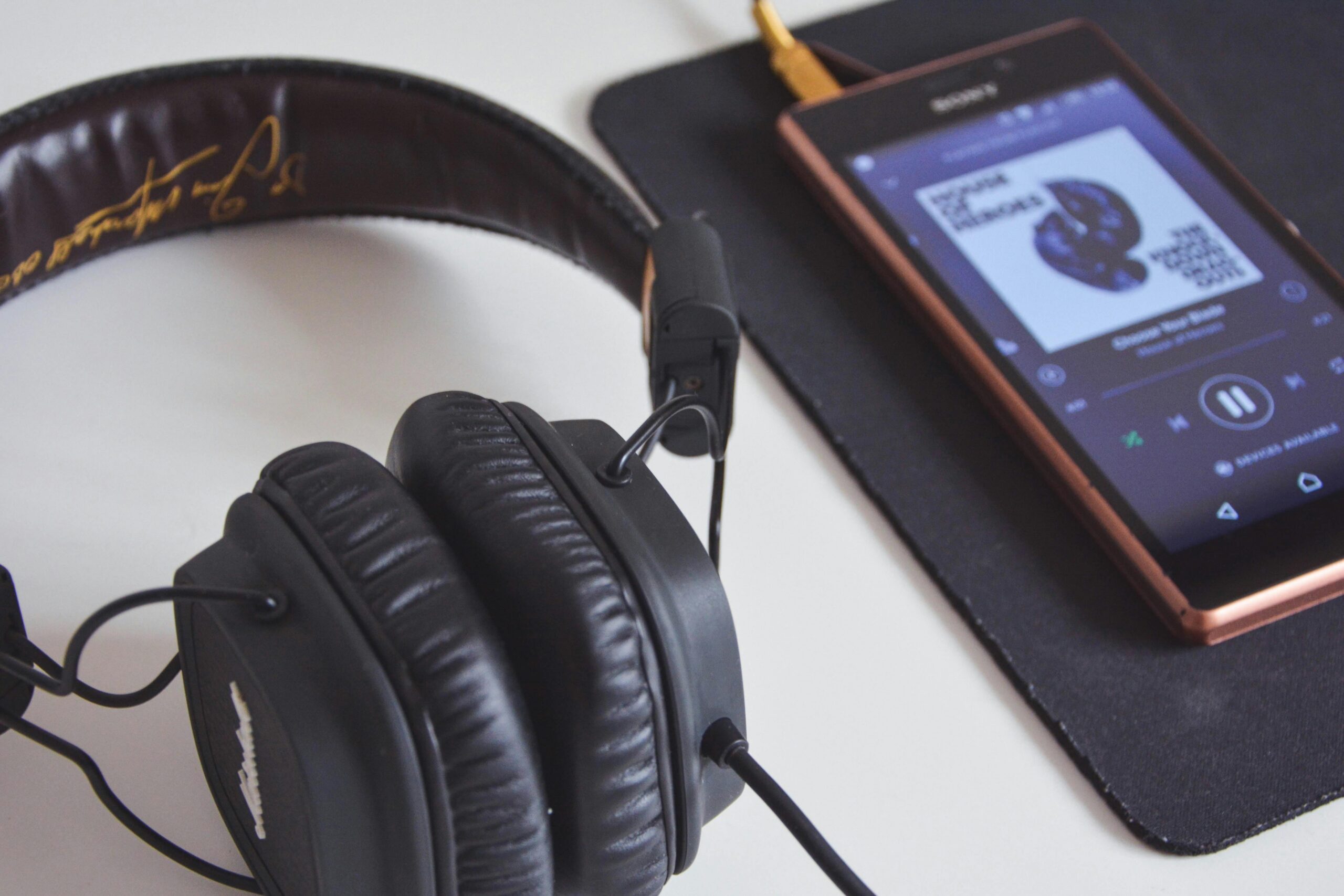
All of this nostalgia is literally in the palm of your hand, thanks to our smartphones and streaming apps.
In today’s world where new music drops every single Friday, it’s easy to get caught up in the endless cycle of discovering the latest tracks.
But sometimes, the real treasure isn’t what’s trending—it’s what’s been sitting in your library, collecting digital dust for years. Let me walk you through why revisiting those old playlists might be exactly what you need right now.
Why Old Playlists Hit Different 🎧
Music has this incredible power to trigger memories in a way that almost nothing else can. Scientists call it the “reminiscence bump”—our brains form stronger emotional connections to music we listened to during our formative years, typically between ages 12 and 22. That’s why hearing that one song from 2010 can instantly transport you back to your bedroom, stressing about high school drama.
But it’s not just about the science. Old playlists are personal artifacts. They represent who you were at a specific point in time, what you valued, what made you feel things. Looking back at a playlist titled “Summer 2015 Vibes” or “Late Night Drives” isn’t just about the music—it’s about reconnecting with a version of yourself that might feel like a completely different person now.
The emotional impact is real. Studies have shown that nostalgic music can actually boost your mood, reduce stress, and even help combat feelings of loneliness. In our fast-paced digital age where everything feels temporary, these playlists serve as anchors to moments that mattered.
Where Your Musical Time Capsules Are Hiding
Depending on how long you’ve been in the digital music game, your old playlists might be scattered across different platforms. Maybe you were a hardcore iTunes user back in the day, or perhaps you jumped on Spotify early. Some of you might even have playlists saved on old MP3 players gathering dust in a drawer somewhere.
Spotify users have it pretty easy—just scroll down to the bottom of your playlist library. You might find playlists you haven’t touched in years, complete with embarrassing titles you made when you thought you were being deep. The platform keeps everything unless you actively delete it, which means that “Rainy Day Sad Boi Hours” playlist from 2013? Yeah, it’s still there.

Apple Music and iTunes users should check their library on both mobile and desktop. Sometimes playlists sync differently across devices, and you might discover forgotten gems on your old laptop. The iTunes desktop app, despite its clunky reputation, is actually a goldmine for finding old playlists that date back over a decade.
YouTube Music is another spot where old playlists might be lurking, especially if you were one of those people who made playlists of lyric videos before streaming was mainstream. Your Google account remembers everything, which can be both creepy and awesome.
Don’t Forget About Local Files
If you’re old enough to remember downloading music (legally, of course), you might have folders of MP3s on an old hard drive or cloud storage. These can be treasure troves of music that might not even be available on streaming platforms anymore—indie bands that broke up, mixtapes, rare remixes, or foreign artists who never made it to Spotify.
Tools like Windows Media Player, VLC, or even old iPods can help you access these files. And yes, you can actually import local files into Spotify and Apple Music, which means you can resurrect those ultra-specific playlists that mixed mainstream hits with obscure downloads.
The Art of Playlist Archaeology 🔍
Once you start digging through your old playlists, you’re going to experience a range of emotions. Excitement, cringe, confusion about why you thought those two songs belonged together, and probably a lot of laughter. Here’s how to make the most of your musical excavation:
Start with the titles. Your past self probably named playlists based on moods, events, or inside jokes. “Beach Week 2016,” “Study Jams,” “Gym Pump Up”—each title tells a story. Click on them one by one and just scroll through the tracklist before even pressing play. You’ll start remembering things just from reading song titles.
When you do start listening, don’t skip around too much. Let the playlist play in order. There was probably a reason you arranged songs that way, even if it doesn’t make sense now. The flow from one track to another might trigger memories more effectively than random shuffling.
Take Notes on Your Journey
This might sound extra, but seriously consider keeping notes as you rediscover old playlists. Write down memories that surface, funny observations about your past music taste, or songs that still absolutely slap. You can use your phone’s notes app or even create a journal entry. This practice adds another layer to the nostalgia experience and gives you something concrete to look back on later.
Breathing New Life Into Old Collections 🌟
Rediscovering old playlists doesn’t mean you have to keep them frozen in time like museum pieces. Part of the fun is updating and evolving them with your current perspective. Here are some ways to refresh those nostalgic collections:
- Add new songs that fit the vibe but with modern production
- Remove tracks that haven’t aged well (we all have a few of those)
- Merge similar playlists to create ultimate versions
- Create “then vs. now” playlists that contrast your old favorites with current ones
- Collaborate with friends who were part of those memories
One cool approach is creating decade playlists. Take all your favorite songs from 2010-2020, for example, and put them in one massive collection. It becomes a soundtrack to an entire era of your life, perfect for long drives or when you want to feel things.
Sharing Your Nostalgia With Others
Music is meant to be shared, and your old playlists are perfect conversation starters. That embarrassing playlist from your emo phase? Your friends probably had similar ones. Sharing these collections can lead to amazing conversations about where you all were in life, what mattered to you, and how much has changed.
Social media makes this incredibly easy. Post a screenshot of your most hilariously dated playlist title on Instagram Stories. Tweet about that one song you completely forgot existed until now. Create polls asking followers if they remember certain tracks. The engagement is usually pretty high because everyone loves talking about music and nostalgia.
You can also organize listening parties, either in person or virtually. Apps like Discord or even Spotify’s Group Session feature let you listen to playlists together with friends, no matter where they are. Make it a themed night—everyone brings their most cringe-worthy playlist from a specific year, and you all take turns playing DJ.
The Playlist Exchange Challenge
Here’s a fun idea: challenge friends to exchange old playlists. You send them one of yours from, say, 2014, and they send you one of theirs from the same period. Then you both have to listen through entirely and report back with reactions. It’s like a book club, but way more fun and with better soundtracks.
Creating New Playlists Inspired by the Old 🎨
Sometimes the best thing old playlists can do is inspire new ones. Maybe you notice that your 2012 playlist had a specific energy that’s missing from your current rotation. Use that as a starting point to curate something fresh that captures that same feeling with newer music.
Look for patterns in what you used to love. Were you really into indie folk? Electronic chillwave? Pop punk? Use those genres as a foundation to discover contemporary artists making similar music. Apps like Spotify and Apple Music have excellent recommendation algorithms that can help you find the modern equivalent of your old favorites.
You can also use your old playlists as templates. If you had a “Road Trip Mix” from years ago, create a 2024 version. Keep a few classic tracks for continuity, but fill it out with recent discoveries. It’s like honoring your past while staying present.
The Tech That Makes Nostalgia Easier Than Ever 📱
We’re living in the golden age of music accessibility. Unlike the days of burned CDs or carefully curated iPod libraries with limited storage, streaming platforms give us unlimited access to decades of music. This makes playlist nostalgia not just possible, but incredibly easy.
Most streaming apps now have features specifically designed to trigger nostalgia. Spotify’s “Only You” and “Wrapped” campaigns highlight your listening history and patterns. Apple Music has “Replay” which shows your most-played songs from every year you’ve used the service. These features essentially create automatic nostalgia triggers, reminding you of songs and artists you might have forgotten.
There are also third-party apps and websites that can analyze your streaming data and create interesting visualizations of your music taste over time. Services like Last.fm have been tracking listening habits for nearly two decades, providing some users with an almost complete musical autobiography.
Cross-Platform Playlist Tools
One challenge with old playlists is that they might be stuck on platforms you no longer use. Thankfully, there are tools that can help transfer playlists between services. Apps like SongShift, TuneMyMusic, and Soundiiz let you move playlists from Spotify to Apple Music, YouTube Music to Spotify, and virtually any combination you can think of.
This means that playlist you made on Rdio (RIP to a real one) doesn’t have to stay lost forever. You can recreate it on your current platform and continue the nostalgia journey without platform limitations.
When Nostalgia Gets Real: The Emotional Impact 💭
Let’s get real for a second. Rediscovering old playlists isn’t always pure fun and games. Sometimes you’ll stumble across a playlist you made during a difficult time, or one that’s linked to a relationship that ended badly, or memories that are genuinely painful to revisit.
That’s totally normal and okay. Music is deeply emotional, and these playlists are connected to real experiences. If you find yourself getting genuinely upset by certain songs or collections, it’s fine to skip them or delete them entirely. Not all nostalgia needs to be preserved.
But here’s the thing—sometimes confronting those difficult musical memories can actually be healing. That breakup playlist that wrecked you five years ago might hit different now that you’ve moved on and grown. The songs that soundtracked your anxiety might show you how far you’ve come. There’s power in recognizing that the person who made those playlists survived whatever they were going through.
Making Playlist Rediscovery a Regular Thing
Here’s my challenge to you: set a recurring reminder, maybe once a month or quarterly, to dive into your old playlists. Make it a ritual. Pour yourself a drink, get comfortable, and spend an hour just vibing with past-you.
You could even create a meta-playlist called something like “Monthly Nostalgia Trip” where you add a few songs from different old playlists each time you revisit them. Over time, this becomes its own time capsule—a curated collection of nostalgic highlights that’s easier to digest than diving through dozens of old playlists.
This practice keeps you connected to your musical journey and prevents your listening habits from becoming stagnant. It’s easy to fall into patterns where you only listen to the same current albums and playlists on repeat. Regular nostalgia sessions shake things up and remind you of the breadth of music you actually love.
Your Soundtrack, Your Story 🎵
At the end of the day, your old playlists are more than just collections of songs—they’re chapters in your life story. Each one represents a moment in time, a version of yourself that contributed to who you are today. Rediscovering them isn’t just about nostalgia for its own sake; it’s about understanding your journey and appreciating how far you’ve come.
The beauty of having all this in the palm of your hand is that these memories are never really lost. They’re always there, waiting for you whenever you need a trip down memory lane or a reminder of who you used to be. Whether you’re feeling stressed and need comfort from familiar songs, or you’re just curious about your past self’s questionable music taste, your old playlists are ready to deliver.
So go ahead—open up your music app right now. Scroll past all those algorithmically generated playlists and current favorites. Go deeper. Find those playlists with the weird titles and outdated song choices. Press play. Let the memories wash over you. Cringe a little, smile a lot, and maybe even cry if you need to. That’s the power of music, and it’s all right there in your pocket, ready whenever you are.
Your past self made those playlists for a reason, and your present self deserves to experience them again. Who knows? You might just rediscover your new favorite old song. And isn’t that exactly the kind of paradox that makes music so magical? 🌟
