
Anúncios
Learning to cook doesn’t have to be overwhelming or complicated. With the right approach, anyone can master delicious meals and enjoy the creative process in the kitchen.
Anúncios
Cooking is one of those life skills that transforms not just what you eat, but how you experience daily life.


The confidence that comes from preparing your own meals extends far beyond the kitchen.
Anúncios
Whether you’re a complete beginner or someone who has avoided cooking for years, there’s never been a better time to start.
The beauty of learning to cook lies in its accessibility. Unlike many skills that require expensive equipment or formal training, cooking welcomes everyone with open arms.
All you need is curiosity, a willingness to experiment, and a few basic techniques to get started on a rewarding culinary journey.
🍳 Why Starting Simple Makes All the Difference
The biggest mistake aspiring cooks make is trying to recreate complex restaurant dishes on their first attempt. This approach leads to frustration, wasted ingredients, and the false belief that cooking isn’t for them. Instead, focusing on fundamental recipes builds confidence and develops essential skills naturally.
Simple dishes teach you how ingredients behave under different conditions. When you scramble eggs perfectly, you’re learning temperature control. When you roast vegetables until they’re caramelized, you’re understanding how heat transforms texture and flavor. These lessons become building blocks for more advanced cooking later.
Starting with uncomplicated recipes also means you’ll actually enjoy what you make. There’s genuine satisfaction in a perfectly cooked pasta with olive oil and garlic, or a fluffy omelet filled with fresh herbs. These meals prove that delicious food doesn’t require complexity or exotic ingredients.
🔪 Essential Kitchen Tools That Won’t Break the Bank
You don’t need a kitchen full of gadgets to cook well. In fact, too many specialized tools can create clutter and confusion. A handful of quality basics will serve you far better than dozens of single-purpose devices gathering dust in drawers.
Every beginner should invest in a good chef’s knife, a cutting board, and a sturdy skillet. These three items will handle approximately 80% of your cooking tasks. Add a medium-sized pot, a baking sheet, and a wooden spoon, and you’re equipped to make hundreds of different dishes.
As you progress, you’ll naturally discover which additional tools match your cooking style. Some people love a food processor for quick prep work, while others prefer the meditative rhythm of chopping by hand. Let your actual cooking experiences guide these purchases rather than impulse buying every kitchen gadget you see.
🥘 Mastering Basic Cooking Methods
Cooking techniques matter more than recipes. Once you understand how to sauté, roast, boil, and simmer, you can apply these methods to virtually any ingredient. This knowledge gives you creative freedom rather than dependence on following instructions exactly.
Sautéing involves cooking food quickly in a small amount of fat over relatively high heat. This technique works beautifully for vegetables, chicken pieces, and seafood. The key is getting your pan hot before adding ingredients and giving them space to brown rather than steam.
Roasting uses dry heat in the oven to cook food evenly while developing rich, caramelized flavors. Nearly everything tastes better roasted, from vegetables to whole chickens. The general principle is simple: coat your food lightly with oil, season generously, and cook at temperatures between 375-425°F until golden and tender.
Boiling and simmering are the gentlest cooking methods, perfect for pasta, grains, soups, and stews. Boiling means rapid bubbles at 212°F, while simmering involves smaller, slower bubbles at slightly lower temperatures. Knowing which to use prevents overcooked pasta and tough meat.

🌿 Building Flavor Without Complicated Recipes
Great cooking isn’t about following elaborate instructions, it’s about understanding how to layer flavors. This concept sounds fancy but it’s remarkably straightforward once you grasp the basics. Every cuisine in the world builds complexity through simple combinations of salt, fat, acid, and heat.
Salt enhances the natural flavors of ingredients rather than making food taste salty when used properly. Add it gradually throughout the cooking process instead of dumping it all in at once. This technique develops depth that simply can’t be achieved by salting only at the end.
Fat carries flavor and creates satisfying richness in dishes. Butter, olive oil, coconut oil, and animal fats each contribute different characteristics. Learning when to use which type of fat transforms ordinary ingredients into memorable meals without adding complexity to your techniques.
Acid brightens dishes and balances richness. A squeeze of lemon juice, splash of vinegar, or spoonful of yogurt can elevate a good dish to exceptional. When something tastes flat or one-dimensional, acid is usually the missing element. Keep fresh lemons in your kitchen at all times.
📝 Smart Meal Planning for Beginners
Cooking becomes exponentially easier when you plan ahead rather than staring into your refrigerator at 7 PM wondering what to make. This doesn’t mean rigidly scheduling every meal, but rather having a loose framework that reduces daily decision fatigue.
Start by planning just three or four dinners per week. Choose recipes that share some ingredients to minimize waste and shopping complexity. If you’re making chicken on Monday, plan another chicken dish later in the week. Buy a whole chicken and use it multiple ways to save money and reduce waste.
Batch cooking certain components makes weeknight meals faster without eating identical leftovers every day. Cook a large pot of rice, roast a tray of vegetables, or prepare a basic protein. Mix and match these elements with different sauces and seasonings throughout the week for variety without extra effort.
🛒 Shopping Like a Confident Cook
The grocery store overwhelms many beginning cooks with endless choices and unfamiliar ingredients. Simplifying your approach to shopping removes this stress and helps you build a functional kitchen gradually. Start by focusing on whole, recognizable ingredients rather than processed convenience foods.
Shop the perimeter of the store where fresh produce, meat, dairy, and bread are typically located. The center aisles contain mostly packaged foods with long ingredient lists. While some pantry staples from those aisles are essential, fresh ingredients should form the foundation of your shopping cart.
Buy vegetables that are in season for the best flavor and value. Seasonal produce tastes better, costs less, and often comes from closer sources. You don’t need to memorize complicated seasonal charts. Simply notice which items are abundant and affordable, and those are likely at their peak.
🎯 Five Beginner-Friendly Recipes to Start Your Journey
Theory and technique matter, but eventually you need actual recipes to practice. These five dishes cover different cooking methods, require minimal ingredients, and deliver consistent results even for absolute beginners. Master these and you’ll have the foundation for countless variations.
Perfect Scrambled Eggs
Crack three eggs into a bowl, add a pinch of salt and a tablespoon of milk, then whisk until combined. Melt butter in a nonstick pan over medium-low heat. Pour in the eggs and let them sit for 20 seconds. Gently push the eggs from the edges toward the center with a spatula, allowing liquid egg to flow to the pan’s surface. Remove from heat while still slightly creamy. They’ll continue cooking from residual heat.
One-Pan Roasted Chicken and Vegetables
Toss chopped vegetables like potatoes, carrots, and onions with olive oil, salt, and pepper on a baking sheet. Place chicken thighs on top, season them similarly, and roast at 425°F for 35-40 minutes. Everything cooks together with minimal cleanup and maximum flavor.
Basic Tomato Pasta
Cook pasta according to package directions. While it boils, sauté minced garlic in olive oil until fragrant, add canned crushed tomatoes and season with salt, pepper, and dried basil. Simmer for 10 minutes. Drain pasta, toss with sauce, and finish with grated cheese. Simple, satisfying, and endlessly adaptable.
Stir-Fried Vegetables with Rice
Heat oil in a large skillet or wok over high heat. Add sliced vegetables starting with the firmest ones first. Cook quickly, stirring constantly, for 3-5 minutes. Add cooked rice, soy sauce, and any protein you like. This technique teaches heat control and timing while producing a complete meal in minutes.
Sheet Pan Salmon with Asparagus
Place salmon fillets on a baking sheet surrounded by asparagus spears. Drizzle everything with olive oil, season with salt, pepper, and lemon slices. Bake at 400°F for 12-15 minutes. The fish and vegetables finish simultaneously, teaching you how different foods cook at similar rates.
💡 Troubleshooting Common Beginner Mistakes
Everyone makes mistakes when learning to cook. Understanding the most common pitfalls helps you avoid frustration and recognize solutions when things don’t go as planned. Most cooking problems have simple fixes once you identify what went wrong.
Underseasoning ranks as the number one issue for beginners. Fear of over-salting leads to bland food that no amount of table salt can fix afterward. Season in layers as you cook, tasting frequently. Remember that salt added during cooking penetrates and enhances, while salt added at the table just tastes salty.
Cooking at incorrect temperatures produces disappointing results even when you follow recipes perfectly. Too much heat burns the outside while leaving the inside raw. Too little heat makes food steam rather than brown. Pay attention to temperature cues like sizzling sounds and visual browning rather than just following the numbers.
Overcrowding the pan prevents proper browning and creates steam instead of the delicious caramelization you want. Give ingredients space to make contact with the hot surface. Cook in batches if necessary. This single adjustment dramatically improves the flavor and texture of everything you make.
🌟 Building Confidence Through Repetition
Cooking skill develops through practice, not perfection. Making the same dish multiple times teaches you more than attempting a different recipe every night. Repetition reveals nuances and builds the muscle memory that eventually makes cooking feel effortless and intuitive.
Choose one or two recipes you enjoyed and make them again. Notice how they turn out slightly different each time based on subtle changes in heat, timing, or ingredient quality. These observations develop your cooking instincts faster than constantly trying new things.
As certain dishes become comfortable, start experimenting with small variations. Swap one vegetable for another, try a different herb, or adjust the seasoning slightly. This approach maintains the safety of a familiar recipe while gradually expanding your creative confidence.
🍽️ The Social Joy of Home Cooking
Cooking for others multiplies the satisfaction of your growing skills. Sharing a meal you prepared creates connections that restaurant dining simply can’t replicate. Start by inviting one or two friends for a casual dinner featuring dishes you’ve already practiced.
The goal isn’t to impress anyone with restaurant-quality presentations. Simple, honest food served with warmth means more than technically perfect dishes served with anxiety. Your guests care about the experience and your company far more than whether your knife cuts are perfectly uniform.
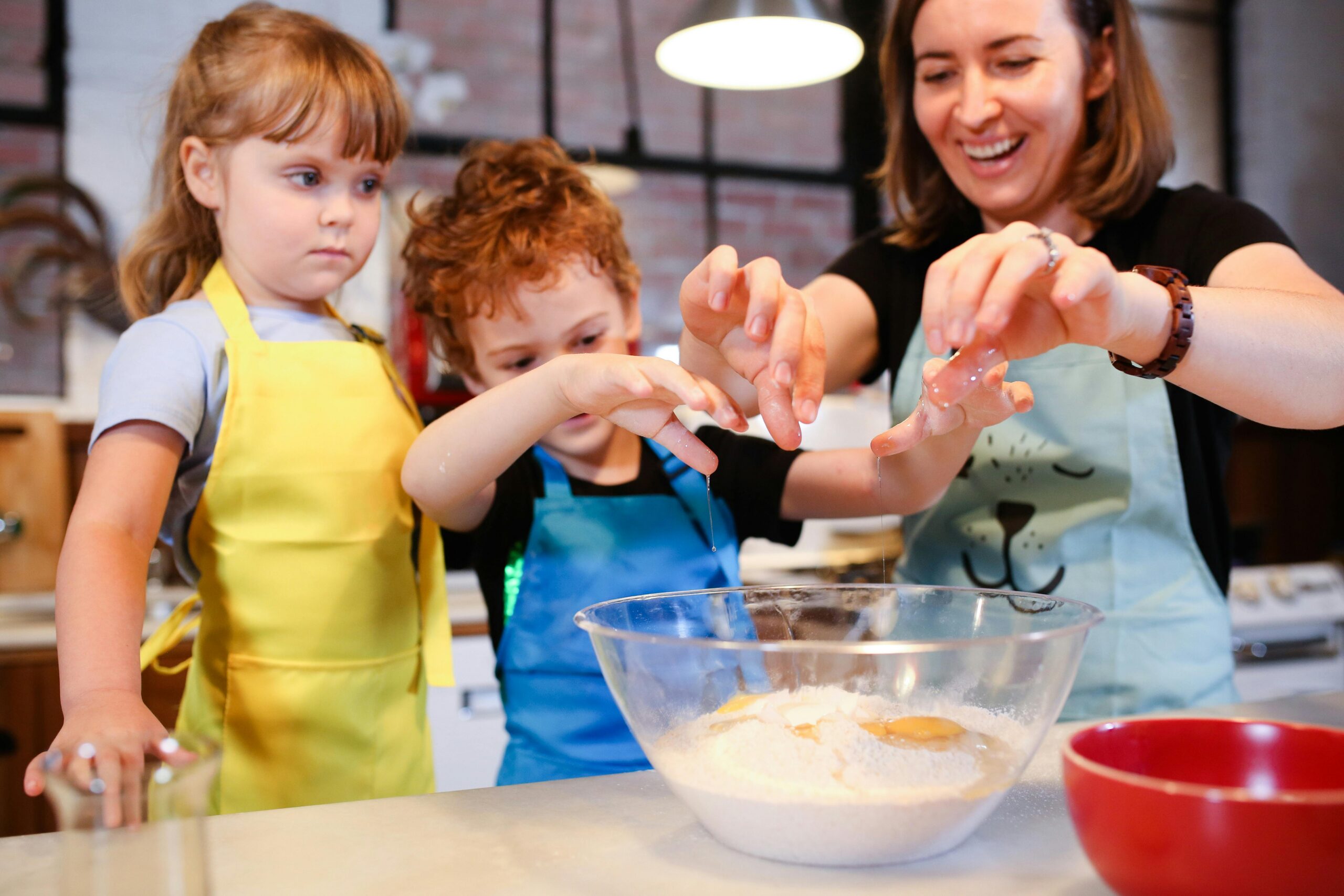
Cooking together with friends or family members makes the learning process more enjoyable and less intimidating. Assign simple tasks to others, share the experience, and learn from each other’s observations and questions. The kitchen becomes a space for connection rather than stress.
📱 Using Technology to Support Your Learning
Modern technology offers incredible resources for learning to cook. Video tutorials let you watch techniques in action, apps provide step-by-step guidance, and online communities answer questions and offer encouragement. These tools complement hands-on practice beautifully when used thoughtfully.
Cooking apps with visual step-by-step instructions help beginners understand processes that can seem confusing in written recipes. Seeing exactly what “simmer” or “golden brown” looks like prevents guesswork and builds your observational skills for future cooking without guidance.
Online cooking communities provide support when you encounter problems or want to share successes. Asking questions in these spaces connects you with experienced cooks who remember being beginners themselves. This human element adds encouragement that cookbooks and videos can’t provide alone.
🎓 Moving Beyond Recipes to Intuitive Cooking
The ultimate goal of learning to cook isn’t memorizing hundreds of recipes, it’s developing the judgment to create satisfying meals from whatever ingredients you have available. This intuitive approach emerges naturally after you’ve cooked regularly for a few months and internalized basic principles.
Start noticing patterns across different recipes. Many dishes follow similar structures with variations in specific ingredients. Stir-fries, curries, pasta dishes, and grain bowls all share common frameworks. Recognizing these patterns lets you improvise confidently rather than depending entirely on written instructions.
Trust your senses as much as recipes. Your eyes, nose, and taste buds provide real-time feedback that no cookbook can offer. If something looks done before the timer goes off, it probably is. If a dish needs more salt, add it even if the recipe doesn’t suggest it. You’re developing expertise that deserves respect.
🌈 Embracing Your Personal Cooking Style
As you gain experience, you’ll naturally gravitate toward certain flavors, techniques, and types of cuisine. This personal style makes cooking more enjoyable and sustainable as a lifelong practice. Honor your preferences rather than forcing yourself to master techniques or dishes that don’t resonate with you.
Some cooks love the precision of baking, while others prefer the improvisational nature of soups and stir-fries. Some favor bold, spicy flavors, while others appreciate subtle, delicate seasonings. There’s no superior approach, only what brings you satisfaction and keeps you engaged in the kitchen.
Your cooking will evolve as your tastes and life circumstances change. The skills you develop now create a foundation you’ll build on for years. Every meal you make adds to your knowledge and confidence, transforming cooking from a chore into a creative outlet and practical life skill you’ll always treasure.
