
Anúncios
Crochet is a timeless craft that blends creativity, relaxation, and skill, allowing anyone to transform yarn into stunning handmade pieces.
Anúncios
Whether you’re dreaming of crafting cozy blankets, delicate doilies, or fashionable garments, learning crochet opens up a world of artistic possibilities.


This versatile craft has experienced a remarkable resurgence in recent years, captivating makers of all ages who appreciate its meditative qualities and tangible results.
Anúncios
The beauty of crochet lies not only in the finished products but also in the journey itself. Each stitch represents a moment of focus and intention, making it a perfect hobby for those seeking both creative expression and stress relief.
Let’s explore how you can master this rewarding craft and create pieces that truly shine. ✨
Understanding the Fundamentals of Crochet
Before diving into complex patterns, it’s essential to grasp the basic building blocks of crochet. Unlike knitting, which uses two needles, crochet requires just one hook, making it surprisingly accessible for beginners. The fundamental stitches form the foundation of every beautiful piece you’ll create.
Start by familiarizing yourself with the chain stitch, which serves as the starting point for virtually all crochet projects. This simple loop-through-loop technique creates the foundation row upon which everything else builds. Next, master the slip stitch, single crochet, half-double crochet, double crochet, and treble crochet. These five basic stitches combine in countless ways to produce different textures and patterns.
Understanding tension is equally crucial. The way you hold your yarn and hook directly affects the consistency and appearance of your work. Too tight, and your fabric becomes stiff and difficult to work with; too loose, and you’ll end up with gaps and uneven stitches. Finding your personal sweet spot takes practice, but it’s worth the effort.
Choosing the Right Tools and Materials 🧶
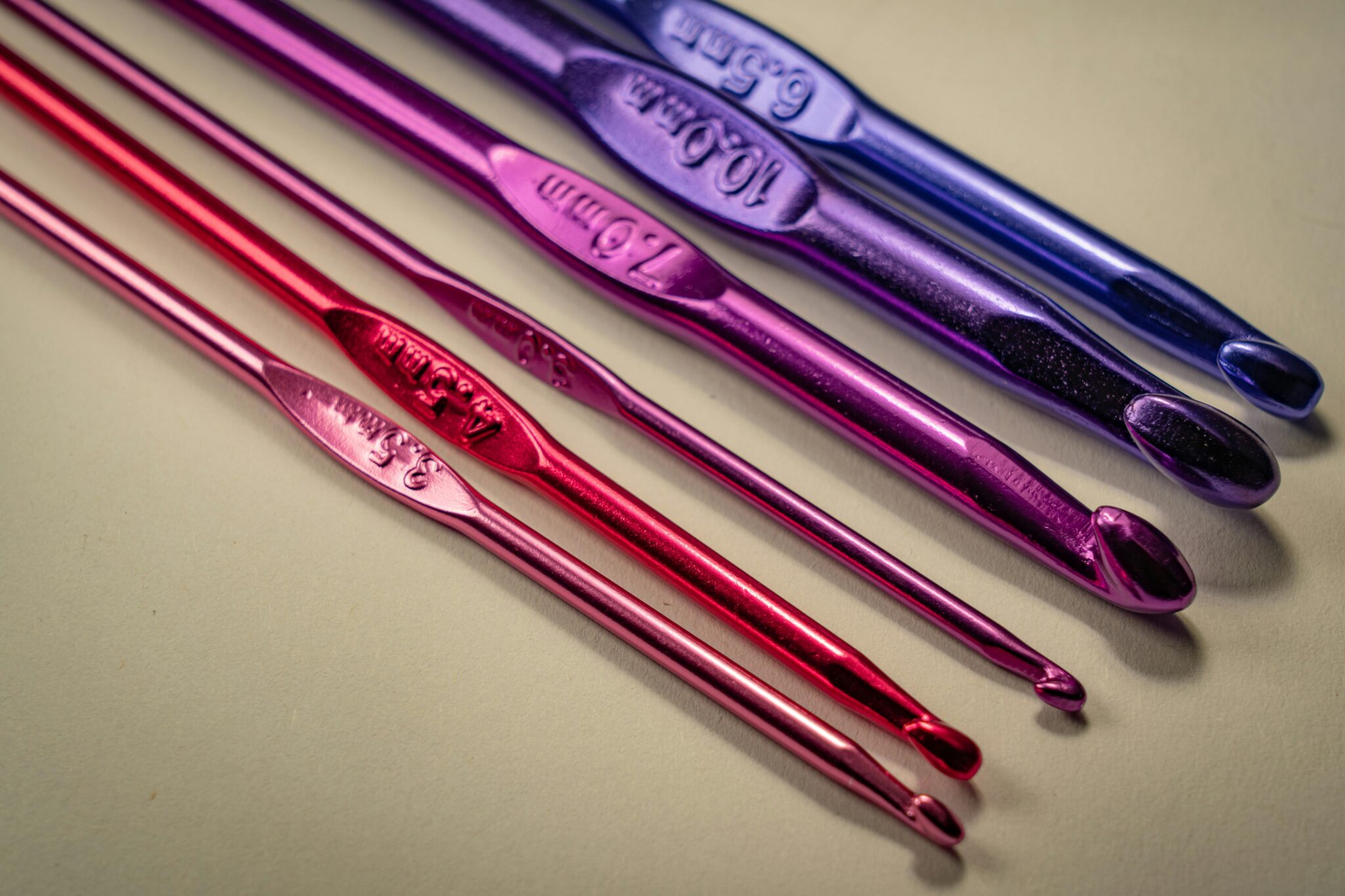
The quality of your finished piece depends significantly on selecting appropriate materials. Crochet hooks come in various materials including aluminum, bamboo, plastic, and ergonomic designs with cushioned grips. Beginners often find medium-sized hooks (around 5mm or H/8) easiest to handle, as they work well with worsted-weight yarn.
Yarn selection can feel overwhelming given the incredible variety available. Consider these factors when choosing yarn:
- Fiber content: Acrylic is affordable and easy-care, wool offers warmth and elasticity, cotton provides structure and breathability, while blends combine benefits of multiple fibers
- Weight: Ranges from lace (finest) to jumbo (bulkiest), with each suited to different project types
- Color and texture: Solid colors showcase stitch patterns beautifully, while variegated yarns create visual interest with minimal effort
- Drape and feel: Consider the final use—soft baby yarns for infant items, sturdy cotton for dishcloths, luxurious fibers for wearables
Don’t underestimate the importance of additional tools like stitch markers, yarn needles, scissors, and measuring tape. These simple accessories make your crafting experience smoother and more enjoyable.
Mastering Basic Stitch Techniques
Once you’ve gathered your supplies, it’s time to practice the fundamental stitches that form the vocabulary of crochet. Start with the slip knot, your entry point into every project. This adjustable loop slides onto your hook and provides the anchor for your first chain.
The chain stitch creates a series of interlocking loops that form the foundation of most projects. Practice maintaining consistent tension as you yarn over and pull through each loop. Count carefully—the number of chains determines the width of your work.
Single crochet produces a dense, sturdy fabric perfect for items needing structure like amigurumi or bags. Insert your hook into the designated stitch, yarn over, pull through, yarn over again, and pull through both loops on your hook. This basic rhythm becomes second nature with repetition.
Double crochet stitches work up faster and create a more open fabric. Yarn over before inserting your hook, then work through the loops in stages. This taller stitch is ideal for blankets, scarves, and garments where drape matters.

Reading and Following Crochet Patterns
Patterns are the roadmaps that guide you from a ball of yarn to a finished masterpiece. Learning to read them unlocks access to thousands of designs created by talented makers worldwide. Crochet patterns use standardized abbreviations and symbols that, once learned, become a universal language.
Written patterns typically include a materials list, gauge information, finished dimensions, and row-by-row instructions. The abbreviations might seem cryptic at first—ch for chain, sc for single crochet, dc for double crochet—but you’ll quickly memorize the most common ones.
Chart patterns use symbols to represent stitches visually, showing exactly how stitches relate to each other spatially. Many crocheters find charts easier to follow for complex stitch patterns, particularly when working in the round or creating intricate designs like doilies and mandalas.
Always make a gauge swatch before starting a fitted project. This small sample tells you whether your tension matches the designer’s, ensuring your finished piece will be the correct size. It might seem tedious, but it prevents disappointment later.
Creating Your First Simple Projects 🎨
Starting with achievable projects builds confidence and reinforces your newly acquired skills. A simple dishcloth makes an excellent first project—it’s small, forgiving of minor mistakes, and genuinely useful. Working in rows of single crochet or a basic stitch pattern helps you practice maintaining consistent tension and counting stitches.
Once comfortable with basic stitches, try a beginner-friendly scarf. This project introduces you to working longer pieces and helps you develop rhythm. Choose a soft, medium-weight yarn in a color you love, and use simple stitches that create an attractive texture without complicated stitch counts.
Granny squares represent a rite of passage for crocheters. These versatile motifs teach you to work in the round, join new colors, and connect individual pieces. Start with a traditional granny square, then explore countless variations. You can join them into blankets, bags, cushion covers, or garments.
Consider these beginner-friendly project ideas:
- Cozy cowls worked in the round
- Simple beanies with basic decreases
- Textured throw pillows
- Market bags with sturdy cotton yarn
- Baby blankets with repetitive stitch patterns
Advancing Your Skills with Colorwork
Once you’ve mastered basic stitches, introducing color transforms your work from simple to spectacular. Color changes can be as straightforward as switching yarns between rows or as complex as intricate tapestry crochet with multiple colors per row.
Stripes offer the easiest entry into colorwork. Simply complete a row or round, drop the old color, and begin with a new one. Carry unused colors along the side edge, or cut and weave in ends for a cleaner finish. Experiment with different stripe widths and color combinations to develop your aesthetic sense.
Mosaic crochet creates stunning geometric patterns using only one color per row, making it more approachable than it appears. By working into stitches from previous rows and skipping others, you create eye-catching designs without the complexity of managing multiple colors simultaneously.
For those ready for a challenge, tapestry crochet involves carrying multiple yarn colors across each row, switching between them to create intricate pictorial or geometric designs. This technique produces a thick, reversible fabric perfect for bags, baskets, and home décor items.
Shaping Techniques for Three-Dimensional Pieces
Beautiful crochet extends beyond flat rectangles. Learning to increase and decrease stitches allows you to shape your work, creating curves, circles, spheres, and sculptural forms. These techniques are essential for garments, amigurumi, and fitted items.
Increases add stitches to widen your work. The simplest method involves working two or more stitches into the same stitch from the previous row. Place increases strategically to create smooth curves rather than awkward bulges. When working in the round, evenly spaced increases create flat circles that form the basis for hats, baskets, and mandalas.
Decreases remove stitches to narrow your work or create shaping. The invisible decrease technique works two stitches together in a way that minimizes bulk and maintains a smooth fabric surface. Proper decreasing is crucial for fitted garments and helps amigurumi pieces maintain their intended shapes.
Working in the round opens up new possibilities. Instead of turning your work at the end of each row, you continue spiraling or join rounds with slip stitches. This technique is essential for seamless hats, circular blankets, baskets, and the popular amigurumi toys.
Exploring Texture and Advanced Stitch Patterns 💫
Once basic stitches feel comfortable, explore the vast world of textured and decorative stitch patterns. These combinations create visual interest and tactile appeal that elevate your work from basic to breathtaking.
The shell stitch, formed by working multiple stitches into the same space, creates a scalloped, fan-like effect perfect for feminine garments and decorative edges. Bobbles and popcorn stitches add three-dimensional texture that pops from the fabric surface, creating playful, touchable surfaces.
Cable stitches, achieved by crossing groups of stitches over each other, bring knit-like sophistication to crochet. Post stitches (front post and back post) add ribbing and raised texture without the complexity of cables. These techniques create professional-looking garments with architectural interest.
Lacy openwork patterns use chains and strategic spacing to create airy, delicate fabrics ideal for warm-weather garments, shawls, and decorative pieces. The contrast between solid and open areas creates visual rhythm and elegance.
Blocking and Finishing for Professional Results
The difference between homemade and handmade lies in the finishing. Blocking is the process of shaping and setting your completed crochet pieces, transforming rumpled work into polished perfection. This often-overlooked step makes all the difference in achieving professional-looking results.
Wet blocking involves soaking your piece in water, gently squeezing out excess moisture, then pinning it to the desired dimensions on a blocking board or padded surface. As it dries, the fibers relax and settle into place, evening out stitches and opening up lace patterns beautifully.
Steam blocking works well for acrylic and synthetic fibers that might not respond to wet blocking. Hold a steamer or iron above (never touching) the fabric, allowing steam to relax the fibers. Pin while warm and allow to cool completely.
Proper seaming joins pieces invisibly, creating garments and blankets that look cohesive rather than cobbled together. The mattress stitch, whip stitch, and slip stitch join each serve different purposes. Take time to match stripes, align patterns, and maintain consistent tension in your seams.
Weaving in ends securely prevents your work from unraveling. Thread each tail onto a yarn needle and weave it through the back of stitches in multiple directions, splitting yarn plies when possible for extra security. Trim close but not too close—leave a tiny tail to prevent slipping.
Finding Inspiration and Developing Your Style
As your skills grow, you’ll naturally begin developing a personal aesthetic. Pay attention to the colors, textures, and project types that excite you. Do you gravitate toward cozy home décor, fashionable wearables, intricate doilies, or adorable amigurumi? Your interests will guide your learning path.
Social media platforms offer endless inspiration from the global crochet community. Follow makers whose work resonates with you, noting techniques and color combinations that catch your eye. Participate in crochet-alongs and challenges to push yourself beyond your comfort zone while enjoying community support.
Don’t be afraid to modify patterns to suit your preferences. Once you understand construction basics, you can adjust colors, change stitch patterns, or resize projects. This experimentation builds confidence and helps you transition from pattern-follower to designer.
Keep a project journal documenting your works, including yarn details, hook sizes, pattern sources, and personal notes. Photograph your finished pieces to track your progress over time. You’ll be amazed how quickly your skills develop and your style evolves.
Troubleshooting Common Challenges 🔧
Every crocheter encounters frustrating moments—it’s part of the learning process. Understanding common problems and their solutions saves time and prevents unnecessary project abandonment.
If your work keeps curling, you might be crocheting too tightly or using a hook that’s too small for your yarn. Try relaxing your tension or sizing up your hook. Conversely, if your fabric seems loose and floppy, tighten your tension or use a smaller hook.
Stitch count errors are incredibly common, especially for beginners. Use stitch markers to mark the first and last stitch of each row, making it easier to avoid accidentally skipping or adding stitches. Count periodically rather than discovering problems many rows later.
When yarn splits repeatedly, your hook might have a rough spot, or you might be working against the yarn’s twist. Check your hook for burrs, and try adjusting how you hold and tension your yarn. Some yarn types are simply more prone to splitting—learning which yarns work best for you comes with experience.
If you notice your gauge changing partway through a project, you’re probably relaxing (or tensing up) as you work. Take breaks, stretch your hands, and try to maintain awareness of your tension throughout your crafting session.
Joining the Crochet Community
Crochet is wonderfully social, with vibrant communities both online and in person. Connecting with fellow makers enriches your experience, providing support, inspiration, and friendship. Local yarn shops often host crochet groups where makers gather to work on projects, share techniques, and enjoy each other’s company.
Online forums and social media groups offer 24/7 access to a global community. Ask questions, share finished objects, participate in pattern testing, and celebrate the joy of making with people who understand your excitement over a perfectly executed stitch pattern or a finished blanket.
Consider the charitable aspect of crochet as well. Many organizations welcome handmade donations—preemie hats for hospitals, blankets for shelters, prayer shawls for those facing difficulties, and chemo caps for cancer patients. Using your skills to bring comfort to others adds meaningful purpose to your craft.
Caring for Your Handmade Treasures
After investing time and creativity into beautiful crochet pieces, proper care ensures they remain gorgeous for years. Always check yarn labels for specific care instructions, as different fibers have different needs. When in doubt, hand washing in cool water with gentle detergent is safest.
Lay flat to dry rather than hanging, which can stretch and distort your work. Reshape while damp to maintain proper dimensions. Avoid wringing, which damages fibers and can felt wool. For items that can be machine washed, use a mesh laundry bag for protection and choose gentle cycles.
Store finished pieces folded rather than hung to prevent stretching. Use acid-free tissue paper for long-term storage of heirloom pieces, and include cedar or lavender sachets to deter moths if you’ve used natural fibers. Keep items away from direct sunlight, which can fade colors over time.
Embracing the Journey of Continuous Learning 🌟
The beauty of crochet lies in its infinite possibilities for growth and exploration. Even experienced makers continue discovering new techniques, stitches, and approaches. Embrace the mindset of perpetual student, staying curious and open to learning.
Challenge yourself regularly with projects that stretch your abilities slightly beyond your comfort zone. This sweet spot of challenge keeps you engaged without overwhelming you. Whether it’s trying a new stitch pattern, working with unfamiliar yarn, or attempting your first garment, each challenge builds competence and confidence.
Remember that mistakes are teachers, not failures. That dropped stitch or wonky tension in your early projects represents progress, not inadequacy. Save your first attempts to look back on later—you’ll be amazed at how far you’ve come. Every accomplished crocheter started exactly where you are now, one stitch at a time.
The meditative quality of crochet offers benefits beyond beautiful finished objects. The repetitive motions calm anxious minds, provide a healthy screen-free activity, and create a sense of accomplishment. In our fast-paced digital world, the slow, intentional act of making something beautiful by hand feels increasingly precious and necessary.
So pick up that hook, choose yarn that makes you happy, and begin your crochet journey. Start simple, practice patience with yourself, and trust the process. Before you know it, you’ll be creating beautiful pieces that reflect your growing skills and personal style. The world of crochet welcomes you with open arms and endless creative possibilities. Happy crocheting! 🧶💕
