
Anúncios
Courtyards have shaped human settlements for millennia, offering shelter, shade, and social spaces while moderating harsh outdoor climates through thoughtful design principles.
Anúncios
In an era of rising temperatures and increased urbanization, the role of courtyards in creating comfortable outdoor environments has never been more critical. These architectural features serve as climate moderators, social hubs, and aesthetic focal points that can significantly enhance the quality of outdoor living spaces. Understanding how different courtyard typologies affect thermal conditions is essential for architects, urban planners, and homeowners seeking to optimize outdoor comfort while reducing energy consumption.
The strategic design of courtyards represents a time-tested approach to passive cooling and thermal regulation. From the ancient Roman atriums to traditional Middle Eastern riyads and Chinese siheyuan, courtyard configurations have evolved across cultures to address specific climatic challenges. Today’s designers can draw upon this rich heritage while incorporating modern materials and scientific understanding to create outdoor spaces that remain comfortable even during extreme weather conditions.
🏛️ Understanding Courtyard Thermal Dynamics
Anúncios
The thermal performance of courtyards depends on complex interactions between architectural geometry, surface materials, vegetation, and local climate conditions. These enclosed or semi-enclosed spaces create microclimates that can differ significantly from surrounding areas, offering refuge from heat, wind, and excessive solar radiation.
Solar radiation represents the primary heat source affecting courtyard comfort. The amount of direct sunlight reaching the courtyard floor depends on the aspect ratio—the relationship between the courtyard’s height and width. Deeper courtyards with higher surrounding walls receive less direct solar radiation, particularly during summer months when the sun angle is highest. This shading effect can reduce surface temperatures by 10-15 degrees Celsius compared to fully exposed outdoor areas.
Airflow patterns within courtyards also play a crucial role in thermal comfort. The stack effect, caused by temperature differences between the courtyard and surrounding air, can create natural ventilation that removes hot air and draws in cooler breezes. The effectiveness of this ventilation depends on courtyard proportions, opening configurations, and the presence of vegetation that can channel or obstruct airflow.
Material Selection and Thermal Mass
Surface materials significantly influence how courtyards absorb, store, and release heat throughout the day. High thermal mass materials like stone, brick, and concrete absorb heat during the day and release it slowly at night, helping to moderate temperature fluctuations. In hot climates, light-colored materials with high solar reflectance can prevent excessive heat absorption, while in cooler regions, darker materials may be preferred to capture warmth.
Water features add another dimension to courtyard thermal regulation. Evaporative cooling from fountains, pools, or water walls can reduce ambient temperatures by several degrees while adding humidity to dry air. The cooling effect is most pronounced in arid climates where low relative humidity allows for greater evaporation rates.
🌿 Courtyard Typologies and Their Thermal Characteristics
Different courtyard configurations offer distinct advantages depending on climate, building program, and spatial constraints. Understanding these typologies helps designers select the most appropriate approach for specific contexts and thermal objectives.
The Central Courtyard Configuration
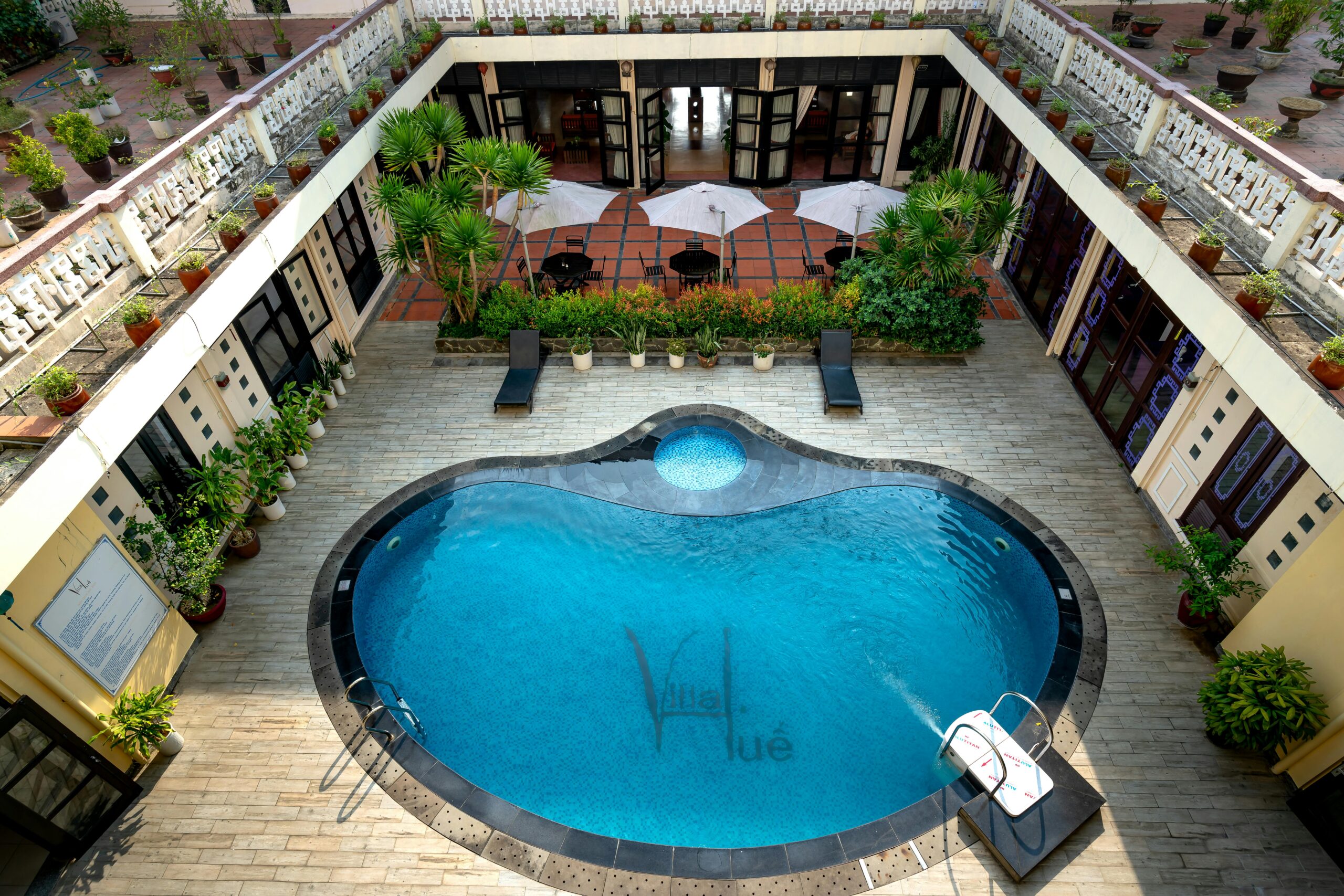
Central courtyards, completely surrounded by building mass, create highly protected microclimates ideal for hot, arid regions. This typology minimizes direct exposure to harsh external conditions while maximizing shading from surrounding structures. The enclosed nature promotes stable temperatures and allows for effective stack ventilation when openings are strategically placed at different levels.
Traditional Middle Eastern architecture demonstrates the thermal effectiveness of central courtyards. Studies of historic homes in cities like Damascus and Marrakech show courtyard temperatures consistently 5-8 degrees Celsius cooler than outdoor ambient conditions during summer afternoons. The combination of high walls, light-colored surfaces, vegetation, and water features creates a synergistic cooling effect.
However, central courtyards require sufficient building footprint and may not suit narrow urban lots. They also limit cross-ventilation unless openings connect to exterior facades, potentially trapping hot air during windless conditions. Careful consideration of proportions and opening placement is essential to prevent these thermal shortcomings.
Linear and Side Courtyards
Linear courtyards, elongated along one axis, and side courtyards, positioned along building edges, offer greater flexibility for narrow sites while maintaining many thermal benefits. These configurations allow for cross-ventilation by connecting interior spaces to exterior environments through the courtyard buffer zone.
The thermal performance of linear courtyards depends heavily on orientation. North-south oriented courtyards (in the northern hemisphere) receive less direct solar exposure on courtyard floors, while east-west orientations may experience intense afternoon heat on west-facing walls. Strategic positioning of vegetation and shading devices can mitigate orientation-related thermal challenges.
Side courtyards excel at providing transitional spaces that mediate between public streets and private interiors. They offer opportunities for natural ventilation while providing visual privacy. However, their asymmetrical exposure may create uneven heating patterns, requiring careful material selection and landscaping to maintain thermal balance.
Multiple Courtyard Systems
Larger complexes may incorporate multiple courtyards of varying sizes and functions, creating hierarchical outdoor spaces with diverse thermal characteristics. This approach allows designers to optimize different courtyards for specific activities and times of day, providing residents with choices based on seasonal and diurnal temperature variations.
A well-designed multiple courtyard system might include a small, deeply shaded courtyard for summer afternoon retreats, a larger, more open courtyard for winter sun exposure, and transitional spaces that remain comfortable during shoulder seasons. This diversity enhances outdoor livability throughout the year rather than optimizing for a single climatic condition.
☀️ Aspect Ratio and Sky View Factor Optimization
The aspect ratio—height-to-width proportion—represents perhaps the most critical geometric parameter affecting courtyard thermal performance. This simple metric profoundly influences solar access, shading patterns, and ventilation potential.
In hot climates, higher aspect ratios (deeper courtyards with taller surrounding walls) provide superior shading and thermal protection. Research indicates that aspect ratios above 2:1 significantly reduce solar radiation on courtyard floors during summer months, while ratios below 1:1 offer minimal shading benefits. However, extremely high aspect ratios may create excessively dark spaces and limit natural light penetration to surrounding rooms.
The sky view factor—the portion of the sky hemisphere visible from a point within the courtyard—correlates closely with aspect ratio. Lower sky view factors indicate greater enclosure and shading, reducing daytime heat gain but also limiting nocturnal radiative cooling. Designers must balance these competing effects based on whether daytime overheating or nighttime heat retention poses the greater comfort challenge.
Moderate climates may benefit from lower aspect ratios that allow greater solar access during cooler months while accepting some summer heat exposure. Adjustable shading devices like retractable awnings, deciduous vegetation, or movable screens can provide seasonal flexibility without permanently compromising solar access.
🌳 Vegetation Integration for Enhanced Thermal Comfort
Plants represent one of the most powerful tools for moderating courtyard thermal conditions while providing aesthetic, ecological, and psychological benefits. Strategic vegetation placement can reduce surface temperatures, provide evaporative cooling, filter air, and create pleasant sensory experiences.
Trees offer substantial shading when positioned to block low-angle morning or afternoon sun. Deciduous species provide summer shade while allowing winter solar penetration, making them ideal for temperate climates with seasonal temperature extremes. Evergreen trees suit climates where year-round shade is desirable or when screening from wind or visual intrusion is prioritized.
Ground Cover and Vertical Greenery
Ground covers, grasses, and low plantings reduce surface temperatures through evapotranspiration while creating softer, more visually appealing surfaces than paving materials. Studies comparing vegetated versus paved courtyard surfaces show temperature differences of 10-20 degrees Celsius on hot summer days, with corresponding reductions in radiant heat affecting human thermal comfort.
Vertical greenery systems—climbing plants on trellises, green walls, or espalier trained against courtyard walls—maximize cooling benefits in space-constrained courtyards. These systems provide shade to walls that would otherwise absorb and re-radiate heat while occupying minimal floor area. The vertical orientation also enhances air circulation around foliage, increasing evaporative cooling effectiveness.
Plant selection should consider water availability, maintenance requirements, and compatibility with courtyard microclimates. Shade-tolerant species suit deeper courtyards with limited direct sun, while drought-resistant plants make sense in arid regions or for low-maintenance landscapes. Native species often perform best, being adapted to local climate patterns and supporting regional ecosystems.
💧 Water Elements as Thermal Moderators
Water features have adorned courtyards across cultures, serving aesthetic, acoustic, and thermal functions. The evaporative cooling effect of water can create noticeably more comfortable microclimates, particularly in dry climates where evaporation rates are highest.
Fountains, cascades, and water walls maximize surface area exposed to air, enhancing evaporation and cooling potential. Even modest water features can reduce nearby air temperatures by 2-4 degrees Celsius while adding humidity that feels refreshing in arid conditions. The sound of flowing water also provides psychological cooling effects and masks urban noise.
Pools and ponds offer thermal mass benefits alongside evaporative cooling. Water’s high specific heat capacity means it heats and cools slowly, moderating temperature fluctuations. Shallow pools allow for greater evaporation and solar heating, while deeper pools maintain cooler, more stable temperatures. Positioning pools to receive winter sun and summer shade optimizes year-round thermal performance.
Water conservation concerns require thoughtful integration of water features. Recirculating systems minimize consumption, while greywater recycling can support water features in water-scarce regions. Covering pools when not in use reduces evaporation losses, though this limits their cooling contribution to courtyard microclimates.
🏗️ Material Strategies for Thermal Regulation
The selection of courtyard surface materials dramatically affects thermal conditions through their reflectivity, thermal mass, and moisture management properties. Optimal material choices vary with climate, usage patterns, and integration with other cooling strategies.
Light-colored paving materials with high solar reflectance (albedo) reduce heat absorption, keeping surfaces cooler underfoot and limiting re-radiation of heat during evening hours. Materials like light stone, concrete with light aggregates, or specialized cool paving products can reflect 50-80% of incident solar radiation compared to 20-40% for conventional dark materials.
However, high reflectance can create glare problems and redirect solar radiation toward building facades or courtyard users. Combining reflective ground surfaces with absorptive vertical surfaces or vegetation can capture reflected radiation before it impacts comfort. Textured surfaces diffuse reflected light, reducing glare while maintaining cooling benefits.
Thermal Mass Applications
High thermal mass materials like stone, brick, and concrete stabilize courtyard temperatures by absorbing heat slowly during the day and releasing it at night. This time-lag effect can shift peak temperatures away from afternoon hours when courtyards are most heavily used. In climates with large diurnal temperature ranges, thermal mass can reduce temperature swings by 5-10 degrees Celsius.
The effectiveness of thermal mass depends on adequate nighttime cooling to discharge stored heat. Courtyards with poor nocturnal ventilation may accumulate heat over multiple days, defeating the moderating effect. Combining thermal mass with nighttime ventilation strategies—openings that promote air circulation during cooler evening hours—maximizes performance.
Permeable paving materials allow water infiltration, supporting vegetation and enabling evaporative cooling from subsurface moisture. These materials reduce runoff while creating cooler microclimates, though they require proper base preparation and maintenance to prevent clogging and structural problems.
🌡️ Measuring and Modeling Courtyard Thermal Performance
Understanding courtyard thermal performance requires both qualitative assessment and quantitative measurement. Modern tools ranging from simple thermometers to sophisticated simulation software help designers predict and optimize thermal outcomes.
Air temperature represents the most commonly measured parameter, but thermal comfort depends equally on mean radiant temperature—the weighted average of all surface temperatures surrounding a person. Radiant heat from sun-warmed walls or paving can create discomfort even when air temperatures are moderate. Globe thermometers measure the combined effect of air temperature and radiation, providing a more complete comfort assessment.
Wind speed and humidity also significantly impact thermal perception. Comfortable courtyards in hot climates combine moderate shade, adequate ventilation, and appropriate humidity levels. The Universal Thermal Climate Index (UTCI) and Physiological Equivalent Temperature (PET) integrate these multiple factors into single metrics that correlate with human comfort perceptions.
Simulation and Predictive Modeling
Computer simulation tools allow designers to test courtyard configurations before construction, comparing thermal performance across design alternatives. Programs like Ladybug Tools, ENVI-met, and specialized CFD (Computational Fluid Dynamics) software model solar radiation, airflow, vegetation effects, and human comfort metrics throughout the day and across seasons.
These tools have revealed non-intuitive findings about courtyard thermal performance. For example, slightly reducing aspect ratio while adding vegetation may improve overall comfort despite increased solar access, as evapotranspiration and shading from canopy offset reduced architectural shade. Such insights help designers optimize multiple interacting variables simultaneously.
Parametric modeling approaches allow rapid iteration through hundreds of design variations, identifying optimal proportions, orientations, and material combinations for specific climates and programs. This data-driven design process complements traditional knowledge and intuition, helping achieve superior thermal performance.
🌍 Regional Adaptations and Climate-Specific Strategies
Effective courtyard design responds to specific climatic contexts rather than applying universal solutions. Strategies that create comfort in hot, arid climates may prove counterproductive in humid tropical or cold temperate regions.
Hot-arid climates benefit from deep, enclosed courtyards with high thermal mass, light-colored surfaces, water features, and shade trees. Minimizing solar exposure while promoting nighttime ventilation and radiative cooling creates comfortable daytime refuges. Traditional architecture of the Middle East, North Africa, and southwestern United States demonstrates these principles.
Hot-humid climates require different approaches emphasizing airflow over shading. Courtyards should promote cross-ventilation through openings at strategic locations, with less emphasis on enclosure. Elevated courtyards or semi-open configurations allow hot, humid air to escape while drawing in breezes. Vegetation provides shade without obstructing airflow, and permeable surfaces reduce heat buildup from moisture retention.
Temperate climates with cold winters and warm summers challenge designers to balance opposing seasonal requirements. Flexible shading, deciduous vegetation, and moderate aspect ratios allow winter solar gain while providing summer protection. South-facing courtyards (in the northern hemisphere) maximize beneficial winter sun while manageable summer shading needs.
🎯 Bringing Together Design Excellence and Thermal Comfort
Creating courtyards that enhance outdoor comfort requires integrating multiple strategies into coherent designs that serve functional, aesthetic, and experiential goals. The most successful examples balance thermal performance with other important qualities: beauty, spatial character, social function, and connection to cultural traditions.
The design process should begin with careful climate analysis, understanding local temperature patterns, solar paths, prevailing winds, and humidity conditions. This data informs fundamental decisions about courtyard configuration, proportions, and orientation. Early design phases should explore multiple typologies, testing how different approaches respond to specific site conditions and programmatic requirements.
Layering strategies—combining geometric configuration with vegetation, water features, material selection, and shading devices—creates resilient courtyards that perform well across varied conditions. No single strategy alone typically achieves optimal comfort; synergistic combinations yield superior results. A moderately deep courtyard with deciduous trees, permeable paving, and a small fountain may outperform a perfectly proportioned but barren space.
User needs and patterns should guide design decisions as much as technical performance criteria. Courtyards serving as active social spaces may prioritize different qualities than contemplative private gardens. Spaces used primarily during cooler morning hours can accept more eastern exposure than those occupied during hot afternoons. Understanding how inhabitants will actually use courtyards ensures designs support real comfort needs rather than abstract thermal metrics.
Monitoring and adaptation extend the design process beyond initial construction. Temperature sensors, user feedback, and observation of actual usage patterns reveal whether courtyards perform as intended. Simple adjustments—adding shade elements, introducing vegetation, or modifying water features—can significantly improve comfort when monitoring identifies shortcomings. This iterative approach treats courtyards as evolving systems that can be refined over time.
The intersection of traditional wisdom and contemporary science offers tremendous potential for enhancing outdoor comfort through courtyard design. Ancient builders understood intuitively what modern research confirms quantitatively: carefully shaped outdoor spaces can create comfortable microclimates that enrich daily life, reduce energy consumption, and connect inhabitants with nature and sky. As climate change intensifies thermal challenges and cities grow denser, the humble courtyard emerges as an increasingly vital tool for creating resilient, comfortable, and beautiful outdoor environments that sustain human wellbeing across diverse contexts and cultures.
