
Anúncios
Crochet is more than a craft—it’s a journey of creativity, patience, and self-expression that transforms simple yarn into stunning handmade treasures.
Anúncios
Whether you’re picking up a hook for the first time or returning to a beloved hobby, learning to crochet opens up a world of possibilities.


From delicate doilies to cozy blankets, fashionable garments to charming amigurumi, the range of projects you can create is truly limitless.
Anúncios
This guide will walk you through everything you need to know about creating beautiful crochet pieces, from mastering basic stitches to developing your unique style. Let’s dive into the wonderful world of yarn and hooks! 🧶
Why Crochet Continues to Captivate Crafters Worldwide
Crochet has experienced a remarkable resurgence in recent years, attracting people of all ages and backgrounds. The appeal lies in its accessibility—you only need a hook and yarn to get started—and the meditative quality of the repetitive motions that many find deeply relaxing.
Beyond stress relief, crocheting offers tangible rewards. Each completed project represents hours of dedication and skill development. There’s immense satisfaction in wearing a sweater you made yourself or gifting a handcrafted baby blanket to a loved one.
The crochet community is incredibly welcoming and supportive. Online forums, social media groups, and local crafting circles provide endless inspiration, troubleshooting help, and genuine friendships built around a shared passion.
Essential Tools Every Crochet Beginner Needs ✨
Starting your crochet journey doesn’t require a massive investment. A few quality tools will serve you well as you develop your skills:
- Crochet hooks: Begin with a medium-sized hook (5mm or H-8) which works well with worsted weight yarn
- Yarn: Choose acrylic or cotton yarn in light colors for easier stitch visibility
- Scissors: Sharp fabric scissors for clean cuts
- Yarn needle: Essential for weaving in ends and seaming pieces
- Stitch markers: Helpful for tracking rounds and pattern repeats
- Measuring tape: Critical for gauge swatches and sizing projects
As you progress, you’ll naturally expand your collection with different hook sizes, specialty yarns, and organizational tools. Many crafters find joy in curating their personal toolkit over time.
Mastering the Fundamental Stitches
All crochet pieces, no matter how intricate, are built from a handful of basic stitches. Understanding these foundations unlocks countless pattern possibilities.
The Chain Stitch: Your Starting Point
The chain stitch (ch) forms the foundation of nearly every crochet project. It’s the first skill you’ll learn, creating a series of connected loops that serve as the base row for your work. Practice making even, consistent chains—this muscle memory will benefit every future project.
Single Crochet: The Workhorse Stitch
Single crochet (sc) creates a tight, dense fabric perfect for amigurumi, dishcloths, and structured garments. Insert your hook, yarn over, pull through, yarn over again, and pull through both loops. This simple sequence becomes second nature with repetition.
Double Crochet: Adding Height and Drape
Double crochet (dc) works up faster than single crochet and creates a more flexible fabric. The extra yarn over before insertion adds height to each stitch, making it ideal for blankets, scarves, and flowing garments.
Half Double Crochet: The Perfect Middle Ground
Half double crochet (hdc) sits between single and double crochet in both height and texture. It’s excellent for projects requiring some drape without too much openness in the fabric.
Reading Crochet Patterns Like a Pro 📖
Crochet patterns can initially seem like cryptic code, but they follow consistent conventions that become intuitive with practice. Patterns use abbreviations to condense instructions—sc for single crochet, dc for double crochet, rep for repeat, and so on.
Most patterns begin with materials needed, gauge information, and finished dimensions. The gauge swatch is crucial—it tells you how many stitches and rows per inch the designer achieved. Matching this ensures your finished piece will be the correct size.
Parentheses and brackets indicate repeated sequences, while asterisks mark pattern repeats. Take time to read through entire patterns before starting, highlighting confusing sections to research beforehand.
Beautiful Beginner-Friendly Projects to Start Your Journey
Choosing the right first projects sets you up for success and maintains motivation. Start with simple items that showcase your new skills without overwhelming complexity.
Classic Dishcloths: Practical and Pretty
Dishcloths are perfect starter projects. They work up quickly, use minimal yarn, and provide daily reminders of your accomplishment. Simple stitch patterns create attractive textures while you practice tension control.
Cozy Scarves: Wearable Achievements
A basic scarf requires only knowledge of chain and single or double crochet. The repetitive nature builds confidence, and the longer format lets you see your progress literally grow. Experiment with different yarns to discover textures you love.
Granny Squares: Modular Magic
Traditional granny squares teach color changes, working in rounds, and joining techniques. These versatile units can become blankets, bags, cushion covers, or garments. Plus, they’re wonderfully portable for crafting on the go.
Simple Hats: Shaping Skills Development
Basic beanie patterns introduce working in rounds and simple decreases. They’re quick to complete and make thoughtful gifts. Once you’ve mastered a simple hat, countless variations await.
Understanding Yarn Weights and Fiber Types 🧵
Yarn selection dramatically impacts your finished project’s appearance, drape, and functionality. Yarn weight refers to thickness, ranging from lace weight (finest) to jumbo (thickest).
| Yarn Weight | Common Names | Best Uses |
|---|---|---|
| Fingering (1) | Sock, baby | Delicate shawls, baby items, socks |
| Sport (2) | Fine | Lightweight garments, baby blankets |
| DK (3) | Light worsted | Versatile for most projects |
| Worsted (4) | Medium | Blankets, sweaters, hats, scarves |
| Bulky (5) | Chunky | Quick blankets, winter accessories |
| Super Bulky (6) | Super chunky | Very quick projects, statement pieces |
Fiber content affects care requirements and characteristics. Acrylic is affordable, durable, and machine-washable—ideal for blankets and children’s items. Cotton breathes well for summer garments and dishcloths. Wool provides exceptional warmth and elasticity for winter wearables.
Luxury fibers like alpaca, silk, and cashmere offer unparalleled softness and drape for special occasion pieces. Blends combine the best properties of multiple fibers, balancing performance with affordability.
Developing Consistent Tension for Professional Results
Tension—how tightly or loosely you hold yarn—significantly affects your work’s appearance and size. Consistent tension creates even stitches and predictable gauge.
Everyone’s natural tension differs. Some crocheters work loosely, creating flexible fabric, while others crochet tightly, producing denser material. Neither is wrong, but consistency matters.
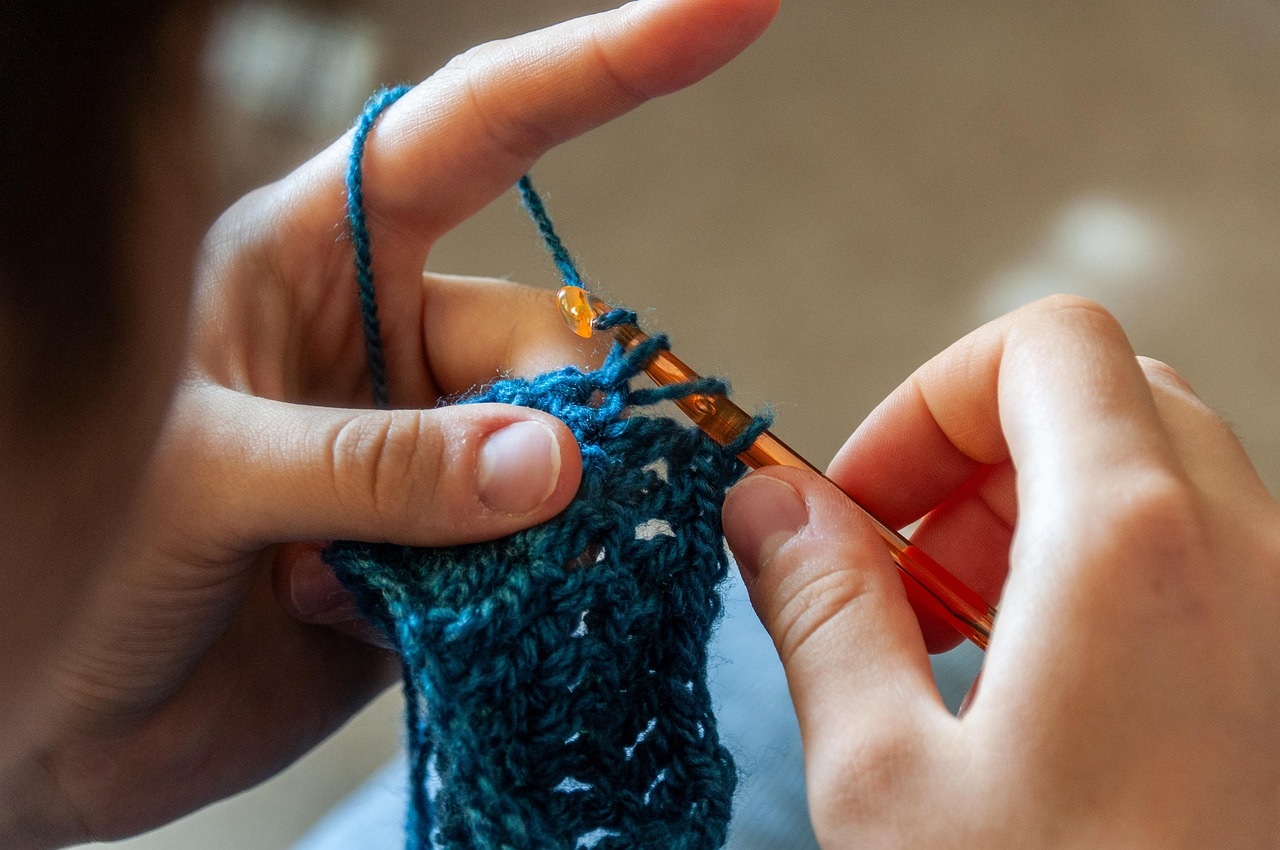
Hold your hook like a pencil or a knife, whichever feels comfortable. The yarn typically wraps around your pinky and over your index finger, though variations exist. Experiment to find what gives you control without causing hand fatigue.
Tension naturally becomes more consistent with practice. If you struggle initially, don’t worry—it’s one of those skills that clicks suddenly after enough repetition.
Color Work Techniques That Add Visual Interest 🎨
Introducing multiple colors elevates simple stitches into stunning designs. Several techniques allow you to incorporate color changes effectively.
Stripe Patterns: Easy Impact
Alternating colors in rows or rounds creates classic stripes. Change colors at the end of a row by completing the final stitch with the new color. Carry unused yarn up the side for narrow stripes, or cut and rejoin for wider bands.
Tapestry Crochet: Intricate Designs
Tapestry crochet carries multiple colors across rows, switching as needed to create geometric patterns or images. The unused color travels behind stitches, making reversible, thick fabric ideal for bags and baskets.
Color Blocking: Modern Aesthetics
Large sections of solid colors joined together create contemporary looks. This technique works beautifully in garments and blankets, allowing you to play with color theory and personal palette preferences.
Blocking: The Secret to Professional Finishing
Blocking transforms completed pieces from homemade to handcrafted. This finishing technique involves wetting or steaming your work and pinning it to specific dimensions while it dries.
Blocking evens out stitches, opens up lacy patterns, and sets the shape of garments. Depending on fiber content, you’ll use wet blocking (submerging in water), steam blocking (hovering a steam iron), or spray blocking (misting with water).
Pin your damp piece to foam blocking mats or a towel-covered surface, gently stretching to pattern dimensions. Allow it to dry completely—rushing this step defeats the purpose. The results are always worth the patience.
Troubleshooting Common Beginner Challenges 🔧
Every crocheter encounters obstacles while learning. Recognizing common issues helps you address them quickly.
Projects That Curve or Ripple
If your work curves inward, you’re likely missing stitches at row ends. Curves outward indicate too many stitches, often from accidentally adding extras at ends or working into the same stitch twice.
Uneven Edges
Ragged edges usually stem from inconsistent turning chains or skipping the final stitch. Count stitches regularly and mark the first and last stitch of each row with stitch markers.
Tight Stitches That Are Hard to Work Into
Overly tight work makes inserting your hook difficult. Consciously relax your grip and allow loops to slide easily along the hook. A larger hook size can also help without changing the pattern significantly.
Running Out of Yarn Mid-Project
Always purchase more yarn than estimated, ensuring all skeins share the same dye lot for color consistency. Join new yarn at row ends when possible, weaving in ends securely.
Building Your Crochet Skills Progressively
Skill development happens gradually through deliberate practice. Once basics feel comfortable, challenge yourself with techniques that slightly exceed your current ability.
Intermediate skills include working with fine yarns, reading complex patterns, shaping garments with increases and decreases, and creating textured stitches like popcorns, bobbles, and cables.
Advanced techniques encompass designing your own patterns, mathematical garment construction, intricate colorwork, and delicate thread work for doilies and fine garments.
Set specific goals—completing a wearable garment, mastering a new stitch family, or finishing a complex blanket. Celebrate milestones to maintain motivation throughout your learning journey.
Finding Inspiration and Joining the Crochet Community 💫
The global crochet community offers endless inspiration and support. Social media platforms showcase stunning projects, with hashtags connecting crafters worldwide. Pinterest boards organize patterns and color combinations for easy reference.
Online pattern databases like Ravelry provide thousands of free and paid patterns with user photos showing variations and modifications. Reading project notes reveals helpful tips and potential pattern adjustments.
Local yarn shops often host crochet circles where you can meet fellow enthusiasts, get hands-on help, and discover new products. These gatherings foster friendships and provide accountability for work-in-progress completion.
YouTube tutorials offer visual learning for specific techniques. Watching how others hold their hooks and manipulate yarn can reveal approaches that resonate with your learning style.
Caring for Your Handmade Crochet Treasures
Proper care ensures your beautiful creations last for years. Always check yarn labels for washing instructions, as fiber content determines care requirements.
Most acrylic items tolerate machine washing on gentle cycles with cold water. Hand-washing remains safest for wool, alpaca, and cotton pieces. Use mild detergent specifically formulated for delicate fabrics.
Never wring wet crochet items—excess water should be gently pressed out with towels. Lay flat to dry, reshaping to original dimensions. Hanging wet pieces causes stretching and distortion.
Store folded items in breathable containers, adding cedar blocks or lavender sachets to deter moths from natural fibers. Avoid plastic bags, which trap moisture and create musty odors.
Turning Your Hobby Into Creative Expression
As skills develop, many crocheters desire to personalize patterns or design original pieces. Start by modifying existing patterns—changing colors, adjusting sizes, or substituting stitches.
Understanding basic construction allows you to envision how pieces come together. A rectangular panel becomes a cowl, bag, or cushion cover. Circles transform into hats, baskets, or coasters.
Keep a project journal documenting yarns used, hooks sizes, modifications made, and lessons learned. These notes become invaluable references for future projects and custom pattern development.
Sketch ideas when inspiration strikes, even roughly. These drawings can evolve into full patterns as you calculate stitch counts and shaping requirements.
The Therapeutic Benefits of Regular Crocheting 🧘
Beyond creating beautiful objects, crochet offers significant mental health benefits. The repetitive motions induce a meditative state similar to mindfulness practices, reducing stress and anxiety.
Focusing on counting stitches and following patterns provides a mental break from daily worries. This productive distraction allows your mind to process problems subconsciously while your hands stay busy.
Completing projects boosts confidence and provides tangible proof of time invested. In our digital age, making physical items offers satisfying contrast to ephemeral online activities.
The crochet community provides social connection, whether online or in person. Sharing finished objects, troubleshooting challenges together, and celebrating milestones creates meaningful bonds.
Expanding Your Crochet Horizons
Once foundational skills feel secure, explore specialized areas within crochet. Each offers unique challenges and creative possibilities.
Amigurumi—the Japanese art of crocheting stuffed toys and figures—combines cute designs with technical precision. These projects teach working in continuous rounds, shaping three-dimensional forms, and assembly techniques.
Tunisian crochet uses an elongated hook to create fabric resembling both knitting and traditional crochet. This hybrid technique produces beautiful textured fabrics and opens new pattern possibilities.
Thread crochet with fine cotton or linen threads creates delicate doilies, edgings, and jewelry. This precise work requires patience but yields heirloom-quality pieces.
Freeform crochet throws out pattern rules, encouraging experimental, artistic pieces. Combining stitches, textures, and colors intuitively results in unique wearable art.
Sustainable Crafting and Mindful Consumption
As awareness of environmental impact grows, many crocheters embrace sustainable practices. Choose natural, renewable fibers like organic cotton, bamboo, or wool from ethical sources.
Consider deconstructing thrifted sweaters for yarn—called “frogging” in the community. This recycles materials while providing access to quality fibers at minimal cost.
Support small yarn dyers and local fiber producers when possible. These businesses often prioritize sustainability, fair labor practices, and animal welfare.
Make items that will be used and loved rather than creating disposable crafts. Quality handmade pieces reduce consumption of mass-produced alternatives.
Your Unique Crochet Journey Awaits
Learning to create beautiful crochet pieces is a deeply personal journey. Each stitch you make builds skill, confidence, and connection to a timeless craft enjoyed by millions worldwide.
Start where you are with what you have. Your first stitches won’t be perfect—nobody’s are. What matters is beginning, practicing consistently, and enjoying the process of growth.
The pieces you create tell your story through fiber and color. They represent hours of mindful practice, creative decisions, and personal expression. Whether you crochet for relaxation, creative outlet, or practical items, the skills you develop enrich your life in countless ways.
Pick up your hook, choose yarn that speaks to you, and make that first chain. Your crochet adventure begins with a single loop, and where it leads is entirely up to you. Welcome to this vibrant, creative, endlessly rewarding world! 🌟
