
Anúncios
Learning English has never been more accessible thanks to the rise of powerful mobile applications designed to fit your busy lifestyle and personal learning pace.

Anúncios
Whether you’re commuting to work, waiting in line at the coffee shop, or relaxing at home, these apps transform idle moments into productive learning sessions. The convenience of having a personal English tutor in your pocket has revolutionized how millions of people approach language acquisition.
From gamified lessons that make learning feel like play to AI-powered conversations that adapt to your skill level, modern language apps offer something for everyone. Let’s explore the best options available and discover how they can help you achieve fluency faster than traditional methods.
🎯 Why Mobile Apps Are Game-Changers for English Learners
Anúncios
Traditional classroom settings often struggle to accommodate individual learning speeds and personal schedules. Mobile applications solve this problem by putting you in control of when, where, and how you learn. This flexibility is particularly valuable for working professionals, parents, and anyone with unpredictable daily routines.
The psychological benefits are equally impressive. Apps use sophisticated reward systems that trigger dopamine release, making learning genuinely enjoyable rather than a chore. Streak counters, achievement badges, and level progression tap into our natural desire for accomplishment and consistency.
Cost-effectiveness represents another major advantage. While private tutors can charge $30-100 per hour, premium app subscriptions typically cost $10-15 monthly for unlimited access. Many quality apps even offer robust free versions that deliver substantial value without any financial commitment.
📱 Top Features to Look for in Language Learning Apps
Not all language apps are created equal. Understanding which features actually accelerate learning helps you choose wisely among the overwhelming number of options available in app stores today.
Spaced Repetition Systems
The most effective apps incorporate spaced repetition algorithms that present vocabulary and grammar concepts at scientifically optimized intervals. This technique exploits how human memory works, showing you material just before you’re likely to forget it, which dramatically improves long-term retention.
Apps like Anki have built entire platforms around this principle, while mainstream options like Duolingo and Memrise integrate it seamlessly into their lesson structures. The result? You remember more with less total study time.
Speech Recognition Technology
Pronunciation poses one of the biggest challenges for English learners, especially for speakers of languages with very different phonetic systems. Advanced speech recognition allows apps to evaluate your pronunciation in real-time, providing immediate feedback that helps you correct mistakes before they become ingrained habits.
Modern AI can now detect subtle pronunciation errors that even human teachers might miss during group lessons. Apps like ELSA Speak specialize exclusively in pronunciation training, using sophisticated algorithms to identify exactly which sounds you struggle with.
Contextual Learning Approaches
Memorizing isolated vocabulary lists rarely translates to actual communication ability. The best apps teach words within meaningful contexts—through stories, dialogues, and real-world scenarios that show how native speakers actually use the language.
This contextual approach helps you understand not just what words mean, but when and how to use them appropriately. Cultural notes and usage tips add additional layers of understanding that purely mechanical apps miss entirely.
🏆 Exploring Different App Categories and Their Strengths
The language learning app ecosystem has diversified significantly, with different platforms specializing in specific aspects of language acquisition. Understanding these categories helps you potentially combine multiple apps for a comprehensive learning strategy.

Comprehensive Platform Apps
These all-in-one solutions attempt to cover all language skills—reading, writing, listening, and speaking—within a single unified platform. Duolingo exemplifies this category with its game-like progression system that touches every aspect of language learning.
Babbel takes a similar comprehensive approach but with a more traditional pedagogical structure, focusing on practical conversations you might actually need in real situations. These platforms work best for beginners and intermediate learners who want a structured path forward.
Conversation-Focused Applications
Apps like HelloTalk and Tandem connect you with native English speakers who want to learn your language, creating mutually beneficial language exchange partnerships. These platforms include translation tools, correction features, and voice messaging to facilitate authentic conversations.
For learners who’ve mastered basics but struggle with actual conversation, these apps provide invaluable real-world practice. The social element also adds motivation and accountability that self-study apps can’t replicate.
Specialized Skill Trainers
Some apps focus intensively on single skills. ELSA Speak specializes in pronunciation, while apps like Grammarly help you perfect your written English. FluentU uses real-world videos—movie clips, music videos, news segments—to teach natural English in context.
These specialized tools work excellently as supplements to comprehensive platforms, allowing you to give extra attention to your specific weak points without abandoning your main learning path.
💡 Strategies for Maximizing Your App-Based Learning
Simply downloading apps won’t magically teach you English. Success requires strategic implementation and consistent habits that transform sporadic app use into genuine language acquisition.
The Power of Daily Consistency
Neuroscience research consistently shows that daily practice, even for just 10-15 minutes, produces better results than marathon weekend study sessions. Language learning apps are specifically designed for this daily-bite approach, with lessons sized perfectly for short sessions.
Set specific triggers that remind you to practice—perhaps right after your morning coffee or during your commute. Many successful learners report that linking their practice to existing habits creates automatic routines that require minimal willpower to maintain.
Combining Multiple Apps Strategically
While one comprehensive app can take you far, strategically combining multiple applications addresses different learning needs simultaneously. You might use Duolingo for structured daily lessons, HelloTalk for conversation practice, and YouTube with subtitles for listening comprehension.
Avoid spreading yourself too thin, though. Two or three complementary apps typically provide optimal variety without becoming overwhelming or unsustainable.
Active Engagement vs. Passive Consumption
The most common mistake learners make involves treating apps like passive entertainment rather than active learning tools. Simply tapping through lessons while watching TV produces minimal results.
Instead, engage fully during practice sessions. Speak answers aloud even when the app doesn’t require it. Write down new vocabulary in a physical notebook. Pause to think about why certain grammar structures work the way they do. This active processing dramatically improves retention and understanding.
🌟 Addressing Common Challenges and Frustrations
Every language learner encounters obstacles and moments of frustration. Understanding these common challenges helps you prepare mentally and develop strategies to push through difficult periods.
The Intermediate Plateau
Many learners progress rapidly from beginner to intermediate levels, then hit a frustrating plateau where improvement feels glacially slow. This happens partly because apps optimize for beginner engagement—early levels provide constant novelty and achievement, while advanced content can feel repetitive.
Combat this by diversifying your learning sources. Supplement apps with podcasts, English-language books at your level, and real conversations. The plateau isn’t a stop sign—it’s a signal to expand your learning ecosystem beyond apps alone.
Motivation Maintenance
Initial enthusiasm inevitably wanes as the novelty wears off and real life interferes with your practice routine. Apps combat this with streak counters and reminder notifications, but external motivation only goes so far.
Building intrinsic motivation requires connecting English learning to personally meaningful goals. Are you learning for career advancement? To communicate with family members? To enjoy English-language media without subtitles? Regularly reconnecting with your “why” reignites motivation when discipline alone isn’t enough.
Fear of Speaking
Many app users develop strong reading and listening skills but remain terrified of actual speaking situations. Apps create a comfortable, judgment-free practice environment, but this safety can become a crutch that prevents you from taking necessary risks.
Gradually expose yourself to increasingly challenging speaking situations. Start with voice messages to language exchange partners, progress to video calls, and eventually seek face-to-face conversations. Each small step outside your comfort zone builds the confidence that apps alone can’t provide.
📊 Measuring Progress and Setting Realistic Goals
Tracking your improvement helps maintain motivation and provides valuable feedback about which learning strategies work best for you personally.
Apps typically include built-in progress tracking with metrics like streak days, lessons completed, and experience points earned. While these gamified metrics feel satisfying, they don’t always reflect actual language ability.
Supplement app metrics with real-world assessments. Can you understand more of your favorite English podcast than last month? Can you express complex thoughts more easily during language exchanges? These practical benchmarks often reveal progress that numerical scores miss.
Set SMART goals—Specific, Measurable, Achievable, Relevant, and Time-bound. Rather than vague aspirations like “get better at English,” aim for concrete targets like “complete 50 lessons this month” or “have three 10-minute conversations with native speakers by month’s end.”
🔮 The Future of Language Learning Technology
Artificial intelligence continues advancing at breathtaking speed, promising even more sophisticated learning experiences in the near future.
AI conversation partners are becoming increasingly natural and responsive, offering practice opportunities that feel remarkably similar to human interaction. These systems analyze your specific errors and learning patterns to create personalized lesson plans that adapt in real-time to your needs.
Virtual and augmented reality applications are emerging that place learners in immersive English-speaking environments without leaving home. Imagine practicing restaurant conversations in a virtual café or job interview scenarios in a realistic office setting.
Brain-computer interfaces, though still experimental, may eventually allow even more direct language acquisition by identifying exactly when your brain achieves optimal learning states and adjusting content accordingly.
🎓 Combining Apps with Traditional Learning Methods
Apps represent powerful tools, but they work best as part of a broader learning ecosystem rather than as complete standalone solutions.
Traditional classroom instruction provides structured curriculum and qualified feedback that apps can’t fully replicate. If available and affordable, combining weekly classes with daily app practice creates a powerful synergy.
Reading physical books in English develops different cognitive skills than app-based reading exercises. The sustained attention required for long-form reading builds comprehension abilities that short app lessons don’t address.
Watching English-language films and TV shows with subtitles (English subtitles, not your native language) trains your ear while reinforcing vocabulary and grammar patterns in entertaining contexts.
✨ Success Stories and Realistic Expectations
Countless learners have achieved impressive English proficiency primarily through app-based study, but their success typically involves consistent effort over extended periods rather than miraculous shortcuts.
Most successful app learners report practicing daily for 6-12 months before achieving conversational fluency. Complete mastery typically requires several years of consistent practice, supplemented with real-world usage and diverse learning sources.
The key is viewing apps as catalysts that facilitate and organize your learning journey rather than magic solutions that passively transfer knowledge. Your active engagement, consistency, and willingness to push beyond comfort zones ultimately determine success more than which specific app you choose.
🚀 Taking Your First Steps Today
Analysis paralysis prevents many potential learners from ever starting their English journey. Rather than endlessly researching the “perfect” app, choose one that appeals to you and commit to two weeks of daily practice.
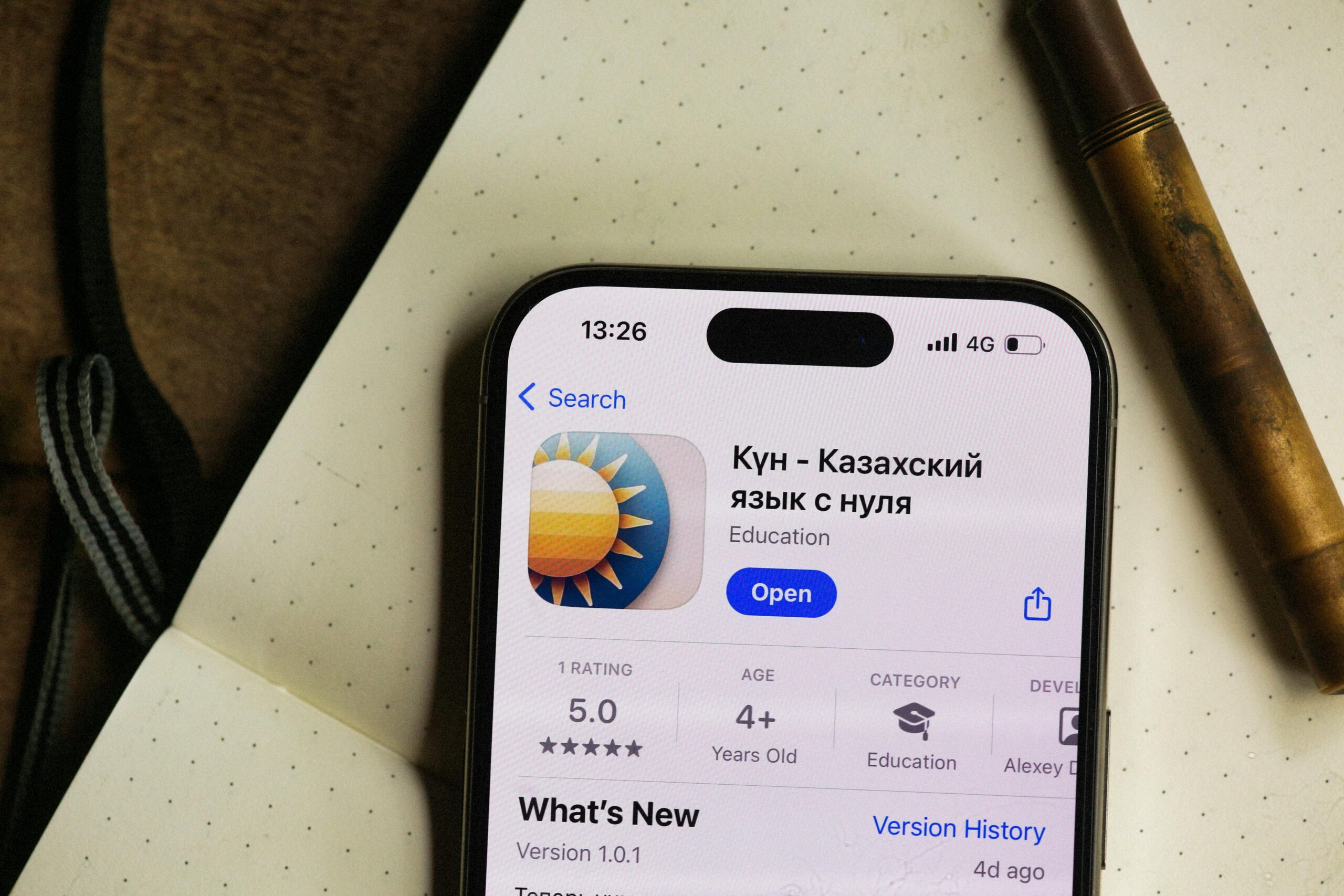
Download your selected app immediately after reading this article. Complete the first lesson today, even if you only have five minutes available. That small action creates momentum that makes tomorrow’s practice session easier.
Remember that imperfect action beats perfect inaction every time. The best app is simply the one you’ll actually use consistently. Start where you are, with whatever resources you have available, and adjust your approach based on what you learn about your personal learning style.
Your English-speaking future self will thank you for the small investment you make today. Every native English speaker once knew zero words—they reached fluency through accumulated practice, and the same path awaits you. The apps in your pocket have made that journey more accessible than ever before in human history.
