
Anúncios
Learning to drive is more than just operating a vehicle—it’s about gaining independence, confidence, and mastering a skill that will serve you for life.
Anúncios
Whether you’re a teenager eager to get behind the wheel or an adult finally pursuing your driver’s license, the journey to becoming a skilled driver requires patience, practice, and the right approach.


Many people feel nervous about their first driving experience, but with proper guidance and consistent effort, anyone can develop the competence needed to navigate roads safely.
Anúncios
This comprehensive guide will walk you through everything you need to know about learning to drive, from choosing the right instruction method to mastering advanced techniques that separate good drivers from great ones. Let’s explore the roadmap to driving excellence. 🚗
Understanding the Basics Before You Start
Before you even sit in the driver’s seat, it’s essential to understand what driving actually entails. Driving is a complex cognitive and physical task that requires coordination, spatial awareness, quick decision-making, and adherence to traffic laws. The foundation of good driving starts with respect for the responsibility you’re taking on.
Every jurisdiction has specific requirements for obtaining a license, typically including a written test on traffic laws and a practical driving examination. Familiarize yourself with your local Department of Motor Vehicles (DMV) or equivalent authority to understand age requirements, permit restrictions, and testing procedures.
Reading your jurisdiction’s driver’s handbook is not optional—it’s essential. This document contains crucial information about road signs, right-of-way rules, speed limits, and safe driving practices specific to your area. Many new drivers skip this step and struggle unnecessarily during both the written test and actual driving.
Choosing Your Learning Method Wisely
The method you choose for learning to drive can significantly impact how quickly you develop skills and how confident you become. There are several approaches, each with distinct advantages.
Professional Driving Schools 🏫
Enrolling in a certified driving school offers structured lessons from trained instructors who understand the common challenges new drivers face. These professionals have experience teaching defensive driving techniques and can identify and correct bad habits before they become ingrained.
Driving schools typically provide both classroom instruction and behind-the-wheel training. The classroom component covers traffic laws, road signs, and safe driving principles, while practical lessons give you hands-on experience in various driving conditions.
Many insurance companies offer discounts to drivers who complete accredited driving courses, making this investment financially sensible in the long run. Additionally, some jurisdictions reduce the waiting period for full licensure if you’ve completed professional driver education.
Learning with Family or Friends
Learning from a licensed family member or friend is a popular and cost-effective option. This approach allows for more flexible scheduling and can feel less intimidating than lessons with a stranger. However, ensure your instructor has the patience, knowledge, and legal authorization to supervise a learner.
The challenge with informal instruction is that experienced drivers often operate on autopilot, making it difficult for them to break down and explain the individual components of driving. They might also pass on their own bad habits without realizing it.
Driving Simulator Apps and Virtual Practice
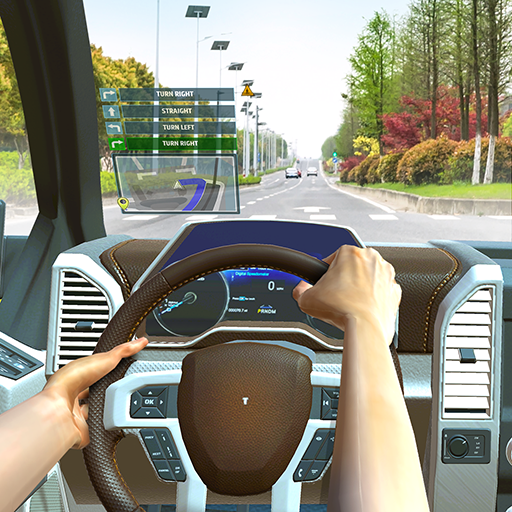
Technology has revolutionized driver education through realistic simulator applications that let you practice in a risk-free environment. These digital tools help you understand vehicle controls, practice parking maneuvers, and develop situational awareness before getting on actual roads.
While simulators cannot replace real-world experience, they’re excellent supplementary tools for building confidence and familiarizing yourself with driving scenarios. Many learners find that virtual practice reduces anxiety when transitioning to actual vehicles.
Mastering Vehicle Controls and Basic Operations
Before driving on public roads, you must become comfortable with your vehicle’s controls. Start in an empty parking lot where you can safely explore how the car responds to your inputs without the pressure of traffic.
Essential Controls to Know
Familiarize yourself with the accelerator (gas pedal), brake, steering wheel, turn signals, headlights, windshield wipers, and emergency flashers. If learning on a manual transmission, add the clutch and gear shifter to your list. Understanding where everything is located prevents dangerous fumbling while driving.
Adjust your seat so you can comfortably reach all pedals while maintaining a slight bend in your knees. Your back should be supported, and you should be able to see clearly over the steering wheel. Proper positioning prevents fatigue and gives you better vehicle control.
Mirrors are your eyes to the world around you. Adjust the rearview mirror to frame the entire rear window and position side mirrors to minimize blind spots. A good rule is setting side mirrors so you can barely see the edge of your own car—this maximizes your field of vision.
Developing Smooth Vehicle Control
Great drivers operate their vehicles smoothly. Jerky acceleration, harsh braking, and abrupt steering corrections are signs of inexperience and create discomfort for passengers. Practice gradual inputs—gentle pressure on the accelerator, progressive braking that brings the vehicle to a smooth stop, and fluid steering movements.
Understanding weight transfer is key to smooth driving. When you accelerate, weight shifts to the rear; during braking, it moves forward. Sharp turns transfer weight to the outside wheels. Recognizing these dynamics helps you anticipate how your vehicle will respond and adjust accordingly.
Building Confidence Through Progressive Practice
Driving skill develops through consistent, progressive practice. Start in low-stress environments and gradually expose yourself to more complex situations as your competence grows.
Stage One: Controlled Environments
Begin in empty parking lots where you can practice basic maneuvers without worrying about other vehicles. Focus on starting, stopping, turning, and maintaining control at low speeds. Practice parking—both parallel and perpendicular—until these maneuvers feel natural.
Use this time to develop muscle memory for vehicle controls. The goal is to operate the car without conscious thought about individual actions, allowing your attention to focus on traffic and road conditions.
Stage Two: Quiet Residential Streets
Once you’re comfortable with basic vehicle control, progress to quiet residential areas with minimal traffic. These environments introduce real-world elements like stop signs, intersections, and occasional pedestrians, but at a manageable complexity level.
Practice maintaining proper lane position, scanning intersections before proceeding, and using turn signals appropriately. Pay attention to speed limits and develop a sense of appropriate speed for different conditions.
Stage Three: Busier Roads and Varied Conditions ⚡
As confidence builds, venture onto busier streets, roads with higher speed limits, and eventually highways. Each new environment presents unique challenges that expand your skillset. Highway driving requires merging confidence, maintaining higher speeds, and increased awareness of surrounding traffic.
Practice during different times of day to experience varied lighting conditions. Night driving, rain, and fog each present distinct challenges that require specific techniques. Exposure to diverse conditions transforms you from someone who can drive into someone who can drive well in any situation.
Developing Defensive Driving Habits
The difference between an adequate driver and a great one lies primarily in defensive driving skills. Defensive driving means anticipating potential hazards, maintaining awareness of your surroundings, and making decisions that prioritize safety over convenience.
The Art of Scanning and Awareness
Great drivers constantly scan their environment, checking mirrors every few seconds, looking far ahead to anticipate traffic patterns, and maintaining awareness of vehicles in adjacent lanes. Your eyes should never fixate on one point—they should continuously move, gathering information from all directions.
Develop the habit of checking your mirrors before any maneuver: changing lanes, slowing down, or turning. Knowing what’s behind you is as important as seeing what’s ahead. Blind spot checks—turning your head to look over your shoulder—are essential before lane changes, as mirrors alone don’t capture everything.
Maintaining Safe Following Distance
The three-second rule provides a minimum safe following distance. Pick a fixed point that the vehicle ahead passes, then count how long it takes you to reach that same point. If it’s less than three seconds, you’re too close. Increase this distance in poor weather or at higher speeds.
Tailgating is dangerous and counterproductive. It doesn’t get you to your destination faster, but it dramatically increases accident risk. Great drivers maintain cushions of space around their vehicle, giving themselves time to react to unexpected situations.
Predicting Other Drivers’ Behavior
Watch for clues about what other drivers might do. A car drifting toward lane markings might be about to change lanes. A vehicle slowing in the right lane near a shopping center entrance is likely preparing to turn. Pedestrians standing near crosswalks may step into traffic.
Never assume another driver will follow traffic laws or make safe decisions. Drive as if every other vehicle might do something unexpected, and you’ll rarely be caught off guard. This mindset isn’t paranoia—it’s prudent risk management.
Mastering Challenging Driving Situations
Certain driving scenarios challenge even experienced drivers. Deliberately practicing these situations accelerates your development into a truly skilled driver.
Parallel Parking and Tight Maneuvers 🅿️
Parallel parking intimidates many drivers, but it’s simply a matter of understanding the geometry and practicing the sequence. Find a consistent reference point—often when your mirror aligns with the rear bumper of the front car—then execute the three-step process: back while turning toward the curb, straighten out, then turn away from the curb while continuing to reverse.
Practice in low-pressure environments until the sequence becomes automatic. The same applies to other tight maneuvers like three-point turns and backing into parking spaces. Repetition builds the spatial awareness needed to execute these confidently.
Highway Merging and Lane Changes
Merging onto highways requires matching the speed of traffic in your target lane, identifying a safe gap, and committing to the maneuver with confidence. Hesitation creates danger. Use the acceleration lane fully to reach appropriate speed, signal your intention early, check your blind spot, and merge decisively.
For lane changes, signal first, check mirrors, verify your blind spot with a head check, then move smoothly into the adjacent lane. Never cut across multiple lanes at once—change one lane at a time, re-establishing your position before the next change.
Adverse Weather Driving
Rain reduces traction and visibility, requiring reduced speed and increased following distance. Avoid sudden movements that could cause skidding. If hydroplaning occurs (when your tires lose contact with the road due to water), ease off the accelerator and steer straight until traction returns—don’t brake or turn sharply.
Snow and ice demand even greater caution. Acceleration, braking, and steering must all be gentle and gradual. If your vehicle has anti-lock brakes (ABS), apply firm, constant pressure during emergency stops rather than pumping the brakes. Practice in safe environments to understand how your vehicle behaves on slippery surfaces.
Understanding Traffic Laws and Road Etiquette
Legal knowledge and courtesy transform competent drivers into great ones. Understanding not just the letter of traffic law but also its spirit—keeping traffic flowing safely and smoothly—separates professionals from amateurs.
Right-of-Way Rules
Most accidents at intersections result from right-of-way confusion. At four-way stops, the first vehicle to arrive proceeds first; if simultaneous, the vehicle on the right has priority. When turning left, yield to oncoming traffic unless you have a protected turn signal. Pedestrians in crosswalks always have right-of-way.
However, being legally right doesn’t prevent accidents. If another driver wrongly takes your right-of-way, yield rather than insisting on your legal priority. Defensive driving sometimes means giving up what’s rightfully yours for safety’s sake.
Speed Limit Intelligence 🎯
Posted speed limits indicate maximum speeds under ideal conditions, not target speeds you must maintain. Adjust for weather, visibility, traffic density, and road conditions. Driving significantly below the speed limit in good conditions creates hazards by disrupting traffic flow, but exceeding limits increases both accident likelihood and severity.
Great drivers read traffic flow and position themselves appropriately. On highways, slower traffic stays right, faster traffic passes on the left. Don’t camp in the left lane—it’s for passing, not cruising. This courtesy keeps traffic flowing efficiently and reduces frustration.
The Courtesy Factor
Small courtesies make everyone’s driving experience better. Let drivers merge when they signal. Give a thank-you wave when someone extends courtesy to you. Don’t block intersections or driveways. Use your horn sparingly—only for safety warnings, not expressing frustration.
Road rage stems from forgetting that other drivers are humans who make mistakes, just like you do. When someone cuts you off or drives poorly, take a breath and let it go. Your emotional response doesn’t change what happened, but it can prevent you from driving safely afterward.
Continuous Improvement and Advanced Skills
Obtaining your license isn’t the end of your driving education—it’s the beginning. Great drivers continuously work to refine their skills and expand their capabilities.
Advanced Driver Training Courses
Consider enrolling in advanced courses that teach emergency maneuvers, high-performance driving techniques, and extreme weather skills. These courses, often conducted on closed tracks with professional instructors, safely push you beyond everyday driving scenarios and teach you how your vehicle behaves at its limits.
Learning how to execute controlled skids, emergency lane changes, and threshold braking in a supervised environment prepares you to handle real emergencies with composure rather than panic.
Self-Assessment and Feedback
Regularly evaluate your driving honestly. Do you check blind spots every time? Are your lane changes smooth? Do you maintain appropriate following distance? Identifying weaknesses is the first step to addressing them.
If you have passengers you trust, ask for constructive feedback about your driving. Sometimes we develop habits we don’t notice, and an outside perspective can be valuable. Dashcams that record your driving let you review and critique your own performance.
Staying Current with Vehicle Technology
Modern vehicles feature advanced driver-assistance systems (ADAS) like lane departure warnings, automatic emergency braking, blind spot monitoring, and adaptive cruise control. Understanding these systems and their limitations helps you use them effectively while avoiding over-reliance that degrades your core driving skills.
Technology assists but doesn’t replace attentive, skilled driving. Use these tools as supplements to—not substitutes for—defensive driving practices and situational awareness.
Maintaining the Right Mindset Behind the Wheel
Your mental approach to driving profoundly affects your safety and skill development. Cultivating the right mindset is as important as mastering physical techniques.
Patience and Emotional Control
Traffic doesn’t care about your schedule. Aggressive driving to save a few minutes increases stress, fuel consumption, and accident risk while delivering minimal time savings. Plan ahead, leave early, and accept that delays sometimes happen. Your arrival time matters less than arriving safely.
If you feel angry, anxious, or emotionally upset, take a moment to compose yourself before driving. Strong emotions impair judgment and slow reaction times. A few deep breaths or a short walk can restore the calm, focused state necessary for safe driving.
Zero Tolerance for Distractions 📱
Distracted driving kills thousands annually. Your phone, food, passengers, and navigation systems all compete for attention that should be focused on driving. Great drivers eliminate distractions systematically.
Put your phone on Do Not Disturb mode while driving. Program navigation before departing. If you need to attend to something, pull over safely first. The message, call, or task can wait—your life and others’ lives cannot.
Never Driving Impaired
Alcohol, drugs (including some legal medications), and extreme fatigue all severely impair driving ability. There are no exceptions, no safe amounts, and no situations where impaired driving is acceptable. Plan alternative transportation if you’ll be impaired—it’s always cheaper and safer than the alternative.
Recognize that drowsy driving is nearly as dangerous as drunk driving. If you feel sleepy behind the wheel, pull over in a safe location and rest. Caffeine only provides a temporary boost—real sleep is the only cure for fatigue.

Your Journey to Driving Excellence Starts Now
Becoming a great driver isn’t about flashy maneuvers or speed—it’s about consistent application of sound principles, continuous learning, and unwavering commitment to safety. Every expert driver started exactly where you are now, uncertain and inexperienced, but they invested the time and effort to develop their skills.
The journey from novice to skilled driver takes time, but each mile you drive with focus and intention builds your competence. Embrace the learning process, practice deliberately, and never stop refining your skills. The road ahead is yours to master—drive it with confidence, courtesy, and care. 🚙✨
