
Anúncios
Architecture is entering a new era where buildings breathe, adapt, and respond to their environment through revolutionary living materials and intelligent adaptive walls.
🌱 The Dawn of Biological Architecture
Anúncios
The intersection of biology and architecture represents one of the most profound shifts in how we conceive, design, and construct our built environment. Living materials are no longer confined to science fiction narratives or experimental laboratories. Today, architects and material scientists are collaborating to create structures that blur the boundaries between the organic and the inorganic, the living and the constructed.
These biologically-integrated systems leverage microorganisms, fungi, bacteria, and even plant cells to create building materials that possess unprecedented capabilities. Unlike traditional construction materials that remain static throughout their lifecycle, living materials can self-heal, grow, respond to environmental stimuli, and even produce energy or purify air. This paradigm shift challenges our fundamental understanding of what buildings can be and how they interact with their surroundings.
Anúncios
The urgency behind this architectural revolution extends beyond aesthetic innovation. With climate change accelerating and urban populations expanding exponentially, the construction industry faces mounting pressure to reduce its substantial carbon footprint while creating more sustainable, resilient structures. Living materials offer a promising pathway toward achieving these seemingly contradictory goals.
🔬 Understanding Living Materials in Construction
Living materials represent a category of construction components that incorporate biological organisms or biological processes into their structure and function. These materials maintain cellular activity even after integration into architectural elements, allowing them to perform functions impossible for conventional building materials.
Mycelium-Based Construction Materials
Mycelium, the root structure of fungi, has emerged as one of the most promising living materials in architecture. This remarkable organism grows rapidly, binding agricultural waste into strong, lightweight composites. Companies and research institutions worldwide are developing mycelium-based bricks, insulation panels, and structural components that completely biodegrade at the end of their useful life.
The cultivation process involves inoculating organic waste substrates with fungal spores. Within weeks, the mycelium network grows throughout the substrate, creating a dense matrix that can be molded into virtually any shape. Once dried and treated, these materials exhibit impressive structural properties while requiring minimal energy input during production.
Bacterial Concrete and Self-Healing Materials
Researchers have developed concrete formulations incorporating specialized bacteria that remain dormant within the material matrix. When cracks form and water infiltrates, these microorganisms activate and precipitate calcium carbonate, effectively healing the damage autonomously. This self-repair mechanism dramatically extends the lifespan of concrete structures while reducing maintenance costs and environmental impact.
The bacteria used in these applications are typically alkaliphilic and can survive the harsh pH conditions within concrete for decades. Different bacterial species offer varying repair capabilities, with some producing calcite crystals while others generate biopolymers that fill voids and restore structural integrity.
Photosynthetic Building Envelopes
Algae and cyanobacteria are being integrated into building facades to create living walls that perform photosynthesis, capturing carbon dioxide while producing oxygen and biomass. These photobioreactor systems can be incorporated into glass panels or specialized membrane systems, transforming building exteriors into productive biological interfaces.
Beyond carbon sequestration, these systems can generate biomass for biofuel production, provide natural shading to reduce cooling loads, and create dynamic aesthetic effects as the microorganism populations respond to light, temperature, and nutrient availability.
🏗️ Adaptive Walls: Architecture That Responds
Adaptive walls represent another frontier in architectural innovation, employing sensors, actuators, and intelligent control systems to create building envelopes that dynamically respond to environmental conditions, occupant needs, and energy optimization requirements.
Kinetic Facades and Responsive Surfaces
Kinetic architectural systems incorporate movable components that adjust their configuration based on external stimuli. These might include panels that open and close to regulate solar heat gain, louvers that adjust their angle to optimize daylighting, or entire wall sections that reconfigure to modify spatial relationships.
Advanced examples include facades with thousands of individually controlled elements creating wave-like patterns that respond to wind conditions, temperature gradients, or even social media activity. These systems transform buildings from static objects into dynamic participants in their urban context.
Smart Materials and Shape-Memory Systems
Shape-memory alloys, polymers, and ceramics change their physical properties in response to temperature, electrical current, or magnetic fields. When integrated into wall systems, these materials enable architecture that transforms without complex mechanical systems or substantial energy input.
Thermobimetallic strips, for instance, can create ventilation openings that automatically adjust based on temperature variations. Electroactive polymers can modify surface textures to enhance or reduce acoustic reflectivity depending on the required acoustic environment. These passive or semi-passive systems offer elegant solutions that minimize energy consumption while maximizing environmental responsiveness.
Electrochromic and Thermochromic Glazing Systems
Advanced glazing technologies allow windows to adjust their transparency, tint, and thermal properties electronically or in response to temperature changes. Electrochromic glass can transition from transparent to opaque within minutes, providing privacy, glare control, and solar heat management without mechanical blinds or shades.
These systems integrate seamlessly with building management platforms, learning occupant preferences and anticipating environmental conditions to optimize comfort while minimizing energy consumption. The ability to control solar gain through the building envelope dramatically reduces heating and cooling loads, representing one of the most effective strategies for improving building energy performance.
🌍 Environmental and Sustainability Benefits
The environmental advantages of living materials and adaptive walls extend across multiple dimensions of building performance and lifecycle impact. These technologies address sustainability challenges that conventional construction approaches struggle to resolve.
Carbon Sequestration and Emission Reduction
Traditional construction materials, particularly cement and steel, account for approximately 11% of global carbon emissions. Living materials offer carbon-negative alternatives, with organisms capturing atmospheric carbon during their growth phase. Mycelium composites, for example, sequester more carbon than is emitted during their production and transportation.
Photosynthetic building envelopes actively remove carbon dioxide from the atmosphere throughout the building’s operational life. A single building with extensive algae-based facades can sequester the equivalent carbon of several acres of forest, transforming urban structures into carbon sinks rather than sources.
Circular Economy and Material Cycles
Living materials align naturally with circular economy principles. Most can be composted at end-of-life, returning nutrients to biological cycles rather than generating construction waste. This contrasts sharply with conventional materials that persist in landfills for centuries or require energy-intensive recycling processes.
Adaptive walls extend building lifespans by maintaining optimal performance across changing conditions and uses. This longevity reduces the frequency of demolition and reconstruction, diminishing the embodied energy and material consumption associated with the building sector.
Energy Performance Optimization
Responsive building envelopes dramatically improve energy efficiency by actively managing thermal exchange, daylighting, and ventilation. Studies demonstrate that adaptive facades can reduce heating and cooling energy consumption by 30-50% compared to conventional static envelopes.
The ability to respond in real-time to weather conditions, occupancy patterns, and energy pricing enables buildings to function as intelligent participants in smart grid systems, storing energy when abundant and reducing consumption during peak demand periods.
💡 Real-World Applications and Projects
The transition from research prototypes to implemented projects demonstrates the growing maturity and viability of these technologies. Several pioneering structures showcase the potential of living materials and adaptive systems.
The Living Pavilion
Experimental pavilions constructed entirely from mycelium-based materials have been exhibited at major design events, demonstrating the structural capabilities and aesthetic potential of fungal composites. These temporary structures prove that living materials can meet safety standards while offering unique experiential qualities.
BIQ House in Hamburg
The world’s first algae-powered building features a facade with bioreactor panels containing living microalgae. The system produces biomass for energy generation while providing dynamic shading. Performance data from this pioneering project informs ongoing development of photobioreactor building systems.
Al Bahar Towers in Abu Dhabi
These towers feature a computerized facade with panels that open and close in response to the sun’s movement, reducing solar gain by over 50% while maintaining views and natural light. The system’s geometric pattern references traditional Islamic architecture, demonstrating how adaptive technologies can honor cultural heritage.
🚧 Challenges and Technical Hurdles
Despite their promise, living materials and adaptive walls face significant obstacles before achieving widespread adoption. Understanding these challenges helps contextualize the technology’s current state and future trajectory.
Regulatory and Code Compliance
Building codes and regulations developed around conventional materials often lack frameworks for evaluating living materials. Establishing standardized testing protocols, performance metrics, and safety certifications remains a substantial hurdle requiring collaboration between researchers, industry, and regulatory bodies.
Durability and Long-Term Performance
Questions about the longevity and consistency of living materials persist. While laboratory tests show promising results, comprehensive data on performance across decades remains limited. Architects and developers require confidence that these materials will perform reliably throughout building lifecycles.
Cost and Scalability
Many living materials and adaptive systems currently cost more than conventional alternatives, limiting adoption to experimental projects and high-budget developments. Achieving cost competitiveness requires scaling production, optimizing manufacturing processes, and developing supply chains that can support widespread implementation.
Maintenance and Specialized Knowledge
Living materials may require different maintenance approaches than traditional construction components. Building operators need training to understand biological system requirements, while designers must collaborate with biologists and material scientists—expertise not currently standard in architectural practice.
🔮 Future Horizons and Emerging Possibilities
The trajectory of living materials and adaptive architecture points toward increasingly sophisticated integration of biological and computational intelligence within the built environment. Several emerging directions suggest the field’s evolution over coming decades.
Programmable Living Materials
Advances in synthetic biology enable engineering organisms with specific functional properties tailored to architectural applications. Future materials might be programmed to change color, emit light, or produce specific chemical compounds in response to environmental cues, creating buildings with unprecedented capabilities.
Integration with Artificial Intelligence
Machine learning algorithms analyzing building performance data can optimize adaptive system responses, learning patterns that balance comfort, energy efficiency, and occupant preferences. AI-controlled buildings might anticipate needs before occupants consciously recognize them, creating seamlessly responsive environments.
Urban-Scale Implementation
Scaling these technologies from individual buildings to entire neighborhoods or cities could transform urban metabolism. Districts with extensive photosynthetic facades, interconnected adaptive systems, and living materials could function as ecological systems that improve air quality, moderate urban heat islands, and create healthier environments.
🌟 Transforming Architectural Practice
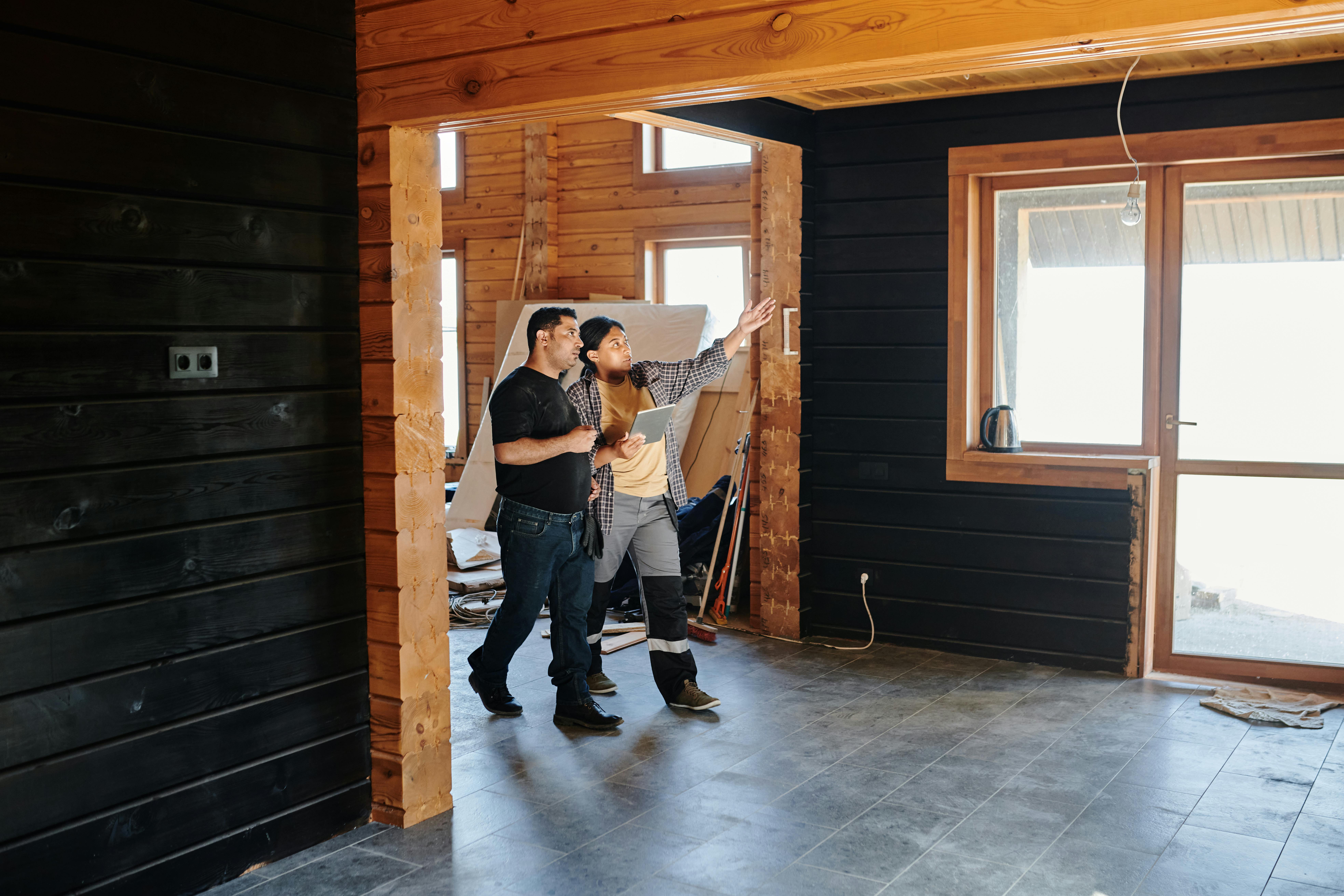
The adoption of living materials and adaptive walls requires fundamental shifts in architectural education, professional practice, and industry culture. Designers must expand their expertise beyond traditional domains to encompass biology, materials science, and computational systems.
Collaborative practice models bringing together architects, engineers, biologists, and material scientists become essential. This interdisciplinary approach challenges conventional professional boundaries while enabling innovations impossible within siloed specializations.
Educational institutions are beginning to integrate these competencies into curricula, but substantial gaps remain. Preparing the next generation of architects to work fluently with living systems and adaptive technologies represents a critical investment in the field’s future capacity.
🎯 The Path Forward
Living materials and adaptive walls represent more than technological novelties—they embody a fundamental reconceptualization of architecture’s relationship with nature and its role in addressing environmental challenges. Rather than viewing buildings as static artifacts imposed upon the landscape, these approaches position architecture as dynamic, responsive systems integrated within broader ecological networks.
The transition toward this vision requires sustained effort across multiple fronts: continued research advancing material capabilities, demonstration projects proving viability, regulatory frameworks accommodating innovation, and cultural shifts embracing new aesthetic and functional possibilities.
Success depends on collaboration among researchers, practitioners, manufacturers, policymakers, and building users. Each constituency contributes essential perspectives and expertise toward realizing architecture that enhances rather than degrades environmental quality.
As climate pressures intensify and urban populations grow, the imperative for radically more sustainable architecture becomes undeniable. Living materials and adaptive walls offer tangible pathways toward this necessary transformation, moving beyond incremental improvements to fundamentally reimagine what buildings can be and how they contribute to thriving human and ecological communities.
The revolution in architectural design is not coming—it has already begun. Pioneering projects demonstrate feasibility while ongoing research expands possibilities. The question is not whether these technologies will reshape architecture, but how quickly and comprehensively the transformation will occur. Those engaging with living materials and adaptive systems today are not simply adopting new techniques; they are participating in redefining architecture’s future and its capacity to contribute to a more sustainable, responsive, and vibrant built environment.
