
Anúncios
Rising global temperatures and increasing urban heat islands disproportionately affect low-income communities, making affordable heat-resilient housing solutions not just necessary but urgent.
🌡️ The Growing Heat Crisis in Vulnerable Communities
Anúncios
Climate change has intensified extreme heat events worldwide, with urban areas experiencing temperatures significantly higher than surrounding regions. Low-income neighborhoods often bear the brunt of this heat crisis due to inadequate housing infrastructure, limited green spaces, and aging building materials that trap rather than dissipate heat.
Statistics paint a sobering picture: residents in low-income urban areas experience temperatures up to 7 degrees Celsius higher than their wealthier counterparts. This temperature disparity translates directly into health risks, increased energy costs, and diminished quality of life. The challenge becomes even more pressing when considering that these communities typically lack resources to implement traditional cooling solutions.
Anúncios
The economic burden of extreme heat extends beyond discomfort. Families already struggling financially face impossible choices between paying for air conditioning or affording other necessities like food and medicine. Heat-related illnesses spike during summer months, straining healthcare systems and creating additional financial stress on vulnerable populations.
Understanding Heat Vulnerability in Low-Income Housing
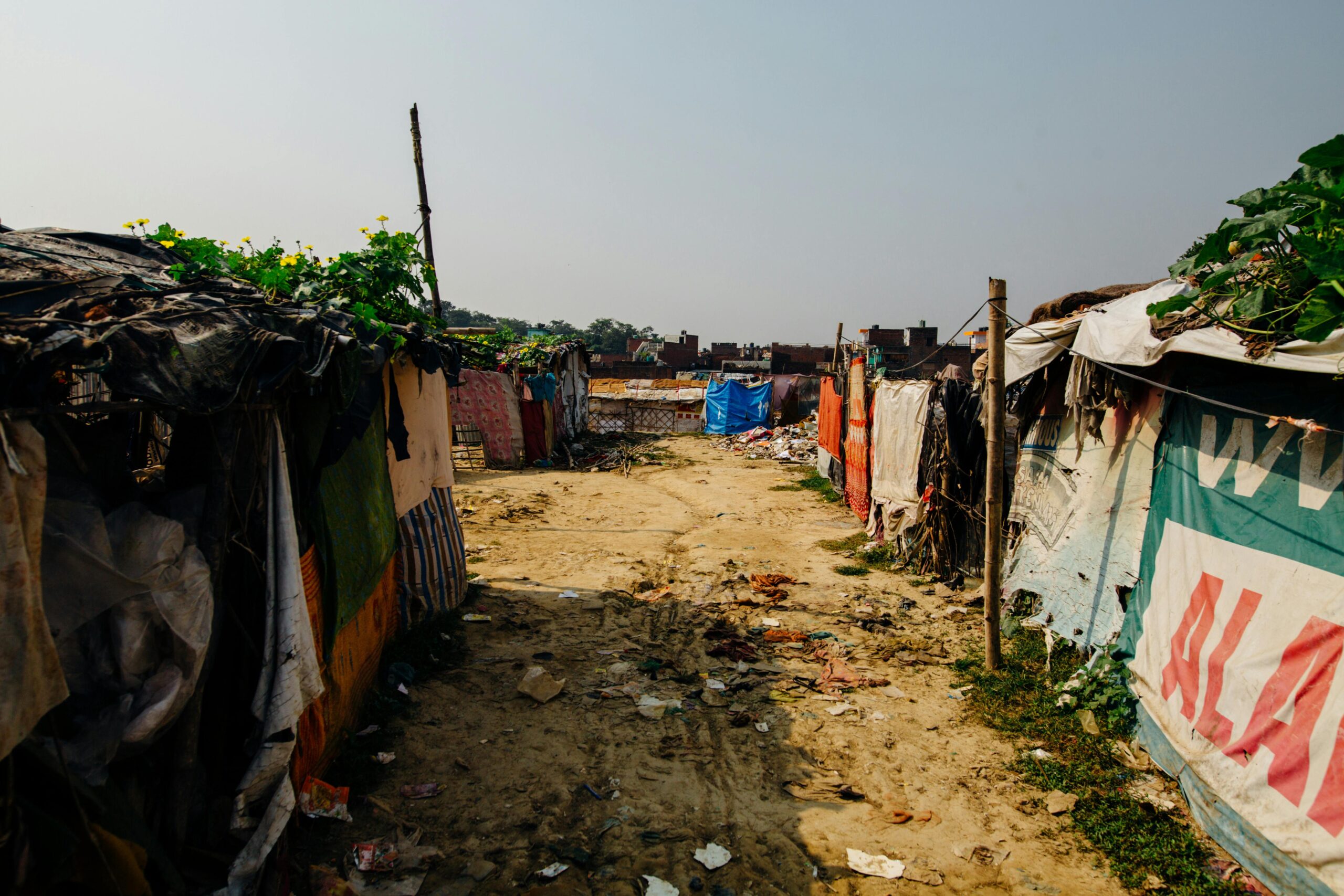
Several factors converge to make affordable housing particularly susceptible to extreme heat. Poor insulation, lack of ventilation, dark roofing materials, and minimal tree coverage create perfect conditions for heat accumulation. Many low-income housing units were constructed decades ago without consideration for thermal comfort or climate adaptation.
The materials commonly used in budget construction—such as corrugated metal roofs, thin walls, and inadequate window systems—exacerbate heat problems. These structures absorb solar radiation throughout the day and release it slowly at night, preventing indoor temperatures from dropping to comfortable levels even after sunset.
Geographic location compounds these issues. Low-income communities are frequently situated in areas with concentrated development, minimal vegetation, and extensive paved surfaces. This urban heat island effect can raise local temperatures by 2-5 degrees Celsius compared to areas with more greenery and better urban planning.
The Human Cost of Heat Stress
Beyond physical discomfort, excessive heat exposure leads to serious health consequences. Heat exhaustion, heat stroke, cardiovascular stress, and respiratory problems increase dramatically during heat waves. Children, elderly individuals, and those with pre-existing health conditions face elevated risks.
Sleep deprivation caused by nighttime heat affects cognitive function, work productivity, and educational outcomes. Studies show that students in non-air-conditioned schools perform significantly worse during hot weather, perpetuating cycles of disadvantage in already vulnerable communities.
🏗️ Innovative Passive Cooling Strategies
Fortunately, innovative approaches to heat-resilient housing don’t necessarily require expensive technology or complete reconstruction. Passive cooling strategies leverage design principles, natural materials, and thoughtful planning to reduce indoor temperatures without mechanical systems.
Cool roof technology represents one of the most cost-effective interventions. Reflective coatings or light-colored roofing materials can reduce surface temperatures by up to 30 degrees Celsius. These coatings are now available at affordable prices and can be applied to existing structures with minimal labor requirements.
Cross-ventilation design maximizes natural airflow through strategic window and opening placement. Even in existing structures, modifications like adding ventilation blocks, installing louvers, or creating ventilation chimneys can significantly improve air circulation and heat dissipation.
Green Infrastructure Solutions
Vegetation serves as nature’s air conditioning system. Green roofs, vertical gardens, and strategic landscaping provide multiple benefits: shade, evaporative cooling, improved air quality, and enhanced biodiversity. Community gardens and street trees can reduce neighborhood temperatures while providing food security and social gathering spaces.
Living walls and climbing plants on building facades create insulating layers that block direct solar radiation while allowing walls to breathe. These solutions require minimal investment—often just seeds, soil, and simple support structures—yet deliver substantial cooling benefits.
Community-scale interventions like tree planting programs and pocket parks maximize cooling impact across entire neighborhoods. Collaborative approaches distribute costs and maintenance responsibilities while building social cohesion and local ownership.
Affordable Material Innovations
Material science has produced remarkable innovations that make heat-resilient construction more accessible. Phase-change materials absorb excess heat during the day and release it at night, moderating temperature swings. While initially expensive, costs have declined significantly, and some can now be incorporated into affordable housing projects.
Recycled and locally-sourced materials offer sustainable alternatives to conventional construction products. Compressed earth blocks, bamboo, recycled plastic bricks, and reclaimed materials provide good thermal properties at reduced costs while minimizing environmental impact.
Radiant barriers and reflective insulation can be retrofitted into existing structures relatively easily. Aluminum foil-backed materials installed in attics or beneath roofs reflect radiant heat rather than absorbing it, dramatically reducing heat transfer into living spaces.
Window and Shading Solutions
Windows represent major sources of heat gain in buildings. Affordable solutions include:
- Reflective window films that block infrared radiation while maintaining visibility
- External shading devices like bamboo screens, fabric awnings, or recycled material shutters
- Strategic placement of deciduous trees that provide summer shade but allow winter sun
- Light-colored curtains or blinds made from reflective materials
- Overhangs and pergolas that block high summer sun while permitting low winter angles
These interventions can reduce solar heat gain through windows by 60-80%, making them among the most effective and affordable cooling strategies available.
💡 Community-Based Implementation Models
Successful heat-resilience programs recognize that top-down approaches often fail in low-income communities. Community-based models that prioritize local participation, traditional knowledge, and collective action achieve better outcomes and sustainability.
Cooperative purchasing programs allow community members to buy materials in bulk, reducing costs significantly. Group training workshops build local capacity to implement and maintain cooling solutions, creating employment opportunities while reducing dependence on outside contractors.
Tool-lending libraries and shared equipment programs eliminate barriers to DIY improvements. When communities collectively own painting equipment, garden tools, and basic construction implements, individual households can undertake modifications without prohibitive upfront costs.
Financing and Incentive Programs
Innovative financing mechanisms make heat-resilience investments accessible to low-income households. Revolving loan funds provide interest-free or low-interest financing with repayment schedules aligned to energy savings. As households reduce cooling costs, those savings fund loan repayments without increasing financial burden.
Pay-as-you-save programs allow residents to implement improvements with no upfront costs, repaying through utility bills. Since energy savings typically exceed repayment amounts, households experience immediate financial relief while improving thermal comfort.
Government incentives, tax credits, and rebate programs can offset implementation costs. Advocacy for policies that prioritize low-income communities in climate adaptation funding ensures equitable access to heat-resilience resources.
Technology-Enabled Solutions
Digital tools democratize access to expert knowledge and planning resources. Smartphone applications now help residents assess heat vulnerability, identify appropriate interventions, and access implementation guidance. These platforms connect community members with resources, volunteers, and funding opportunities.
Thermal imaging technology, once prohibitively expensive, is now available through smartphone attachments that cost less than traditional thermometers. These tools help identify heat infiltration points and verify improvement effectiveness, enabling data-driven decision-making.
Weather monitoring apps provide advance warning of extreme heat events, allowing vulnerable individuals to implement protective measures. Some applications integrate with community alert systems, ensuring that elderly or isolated residents receive timely notifications and assistance.
🌍 Case Studies: Successful Global Implementations
Examining successful heat-resilience projects worldwide reveals adaptable strategies suitable for diverse contexts. In Ahmedabad, India, the Cool Roofs Program has painted thousands of slum rooftops with reflective coating, reducing indoor temperatures by 2-5 degrees Celsius. The program employs local women, creating economic opportunities while improving community resilience.
Colombia’s “Green Corridors” initiative transformed Medellín’s urban landscape by planting strategic vegetation networks throughout low-income neighborhoods. The program reduced local temperatures by up to 2 degrees Celsius while improving air quality and creating recreational spaces. Community participation ensured long-term maintenance and local ownership.
In Australia’s Western Sydney, the “Cool Streets” project combines multiple interventions: street trees, permeable paving, water-sensitive design, and building retrofits. The holistic approach recognizes that neighborhood-scale solutions deliver greater impact than isolated household improvements.
Lessons from Traditional Architecture
Indigenous and traditional building practices offer time-tested heat-resilience strategies often superior to modern approaches. Thick adobe walls, courtyard designs, wind towers, and strategic building orientation demonstrate how pre-industrial societies achieved thermal comfort without mechanical systems.
Reviving and adapting these techniques for contemporary contexts provides culturally appropriate, affordable solutions. Hybrid approaches that combine traditional wisdom with modern materials and technologies often prove most effective and locally acceptable.
Measuring Impact and Ensuring Quality
Rigorous monitoring ensures that heat-resilience interventions deliver promised benefits. Simple measurement protocols—temperature loggers, comfort surveys, and energy bill tracking—provide objective evidence of effectiveness without requiring sophisticated equipment.
Community science initiatives engage residents in data collection and analysis, building local expertise while generating valuable information. When residents understand what works and why, they become advocates who spread successful practices throughout their networks.
Quality assurance mechanisms protect communities from ineffective or exploitative interventions. Certification programs, performance standards, and community review processes ensure that solutions meet minimum effectiveness thresholds and represent genuine value.
🤝 Building Partnerships for Scalable Solutions
Addressing heat vulnerability at scale requires collaboration across sectors. Partnerships between government agencies, NGOs, academic institutions, private companies, and community organizations leverage diverse resources and expertise.
University partnerships provide research support, student volunteers, and technical expertise. Architecture and engineering students gain valuable experience while contributing professional knowledge to communities that couldn’t otherwise afford consulting services.
Private sector engagement through corporate social responsibility programs, in-kind donations, and skilled volunteering multiplies available resources. Paint manufacturers donating reflective coatings, materials suppliers providing discounted products, and construction companies offering pro-bono services significantly reduce program costs.
Policy Advocacy and Systemic Change
While immediate interventions provide necessary relief, long-term resilience requires policy changes that prevent heat-vulnerable housing construction. Building codes that mandate minimum thermal performance standards, urban planning that prioritizes green infrastructure, and zoning laws that protect vulnerable populations from heat-island locations create systemic protection.
Advocacy for equitable climate adaptation funding ensures that resources reach communities most affected by heat stress. When low-income residents participate in policy development, resulting regulations better address actual needs and prove more implementable.
Overcoming Implementation Barriers
Despite proven effectiveness, heat-resilience programs face obstacles including funding constraints, knowledge gaps, regulatory barriers, and social resistance. Addressing these challenges requires strategic approaches tailored to specific contexts.
Rental housing presents particular challenges since tenants lack authority to modify structures while landlords may resist investments benefiting others. Innovative solutions include lease agreements requiring minimum thermal standards, tax incentives for landlord improvements, and tenant cooperatives that collectively negotiate modifications.
Cultural acceptance sometimes poses barriers when proposed solutions conflict with traditional practices or aesthetic preferences. Community engagement from project inception, incorporation of local knowledge, and flexible implementation approaches that respect cultural values improve acceptance and sustainability.
🌱 Creating Lasting Change Through Education
Educational initiatives build long-term capacity for heat resilience. School programs teaching students about heat vulnerability, cooling strategies, and climate adaptation create informed future citizens who prioritize thermal comfort in housing decisions.
Vocational training in heat-resilient construction techniques creates employment pathways while expanding the skilled workforce capable of implementing solutions. When community members become certified installers of cool roofs, ventilation systems, or green infrastructure, economic benefits remain local.
Public awareness campaigns using accessible language and visual media help residents understand heat risks and available solutions. Demonstrations, open houses, and peer-to-peer learning prove particularly effective in building confidence and motivating action.
The Path Forward: Scaling Affordable Heat Resilience
Creating heat-resilient housing for all low-income communities requires sustained commitment, adequate resources, and systemic approaches. Success demands recognizing that climate adaptation is fundamentally a justice issue—those least responsible for climate change suffer its worst impacts.
Integrating heat resilience into broader housing, health, and economic development initiatives maximizes impact and efficiency. When thermal comfort improvements accompany weatherization, energy efficiency, or housing rehabilitation programs, costs decrease while benefits multiply.
The technology, knowledge, and strategies needed for affordable heat-resilient housing already exist. What’s required now is political will, adequate financing, and genuine commitment to ensuring that vulnerable communities receive protection from escalating heat threats. By prioritizing equity in climate adaptation, societies can build resilience that protects everyone, creating healthier, more sustainable communities for current and future generations.
The challenge of extreme heat in low-income housing is immense, but so too are human ingenuity, community solidarity, and proven solutions. Through innovative approaches that combine traditional wisdom, modern technology, community participation, and systemic policy changes, we can ensure that everyone—regardless of income—has access to safe, comfortable, heat-resilient housing.
